Potential Bat Hibernaculum Surveys
Potential hibernaculum surveys are a critical component of comprehensive bat survey efforts when evaluating project impacts to federally listed bat species such as the Indiana bat (Myotis sodalis), northern long-eared bat (Myotis septentrionalis), and proposed endangered tricolored bat (Perimyotis subflavus). These surveys are part of the range-wide USFWS survey guidelines, which outline standardized methods for determining presence or probable absence of these species on a project site and assessing key habitats throughout the year, including winter roosting areas used for hibernation.
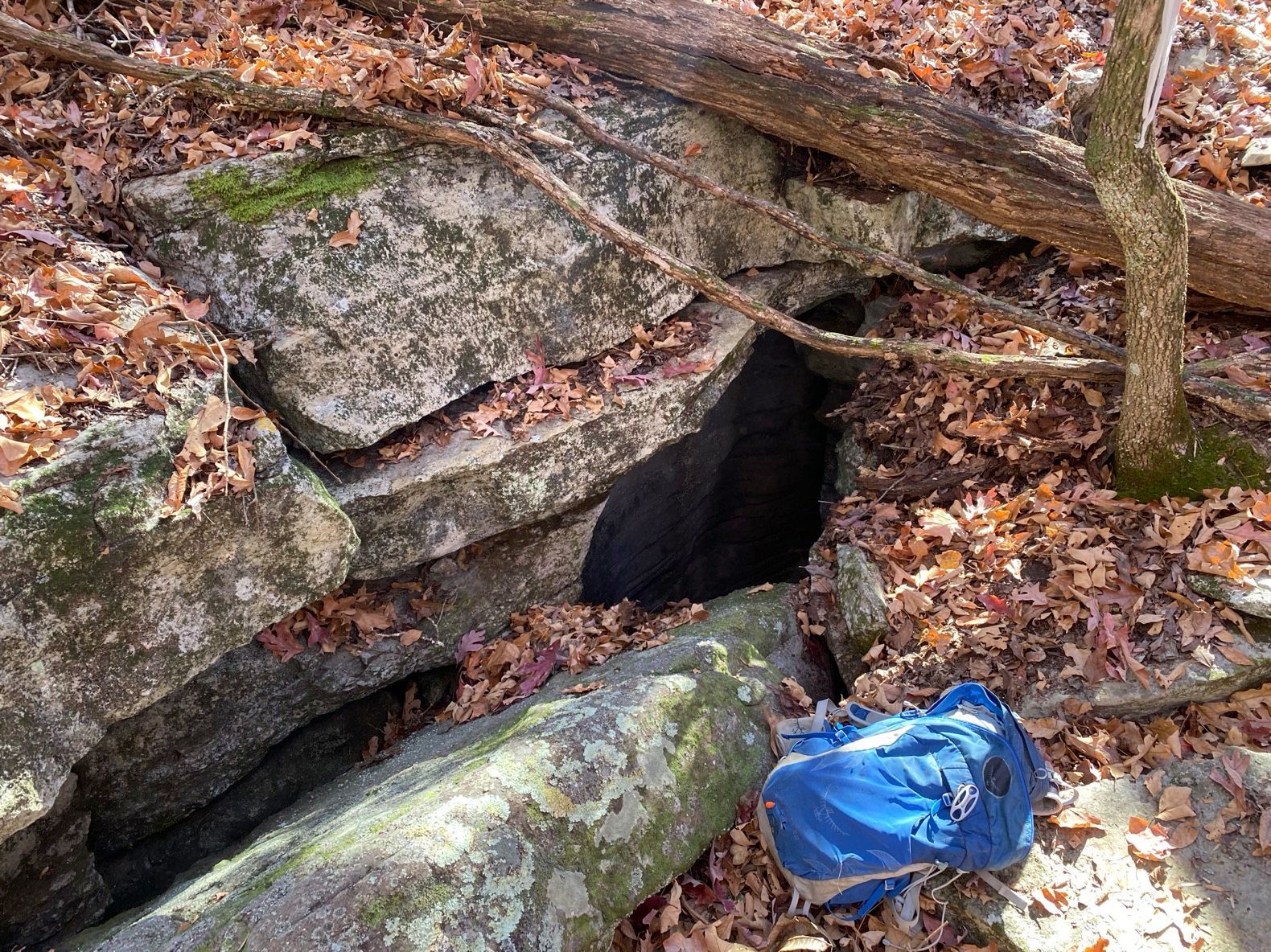
During winter, some bat species retreat to hibernacula — locations such as caves, mines, tunnels, or other underground features — where stable, cool, and humid conditions allow them to conserve energy through the cold months. Potential hibernacula can vary geographically and may include natural caves, abandoned mines, rock crevices, or human-made underground structures that provide the necessary environmental conditions. Identifying and assessing these sites helps biologists understand the potential winter habitat use near a project area and provides crucial information for conservation and regulatory compliance.
USFWS Guidelines & Purpose
The USFWS Range-Wide Indiana Bat & Northern Long-Eared Bat Survey Guidelines establish a phased survey approach that includes habitat assessments, active season presence/probable absence surveys, and, when appropriate, potential hibernaculum surveys in winter. These surveys support federal and state agencies in determining whether listed bat species are likely present and whether project activities might adversely affect them. The results help inform Section 7 consultation under the Endangered Species Act (ESA) and guide decisions about avoidance, minimization, or mitigation measures.
Potential hibernaculum surveys are usually conducted outside the active summer season, often during late fall, winter, or early spring when bats are inactive and hibernating. Survey plans typically begin with a desktop review and on-site habitat assessment to identify features with characteristics consistent with suitable winter roosting habitat (e.g., appropriate temperature, humidity, limited airflow, and structural stability). These assessments help determine whether targeted winter surveys are warranted.
Why Hibernaculum Surveys Matter
Hibernacula surveys provide insight into wintering bat populations and help identify features that support essential life-history stages. Because many listed bat species depend on specific hibernation sites - including bridges and culverts - disturbance or destruction of these areas can have serious conservation consequences.
Documenting the presence or probable absence of these sites can:
- Inform project design changes to avoid impacts to key habitats.
- Support the development of avoidance, minimization, and mitigation strategies in coordination with regulatory agencies.
- Strengthen biological assessments, environmental impact analyses, and ESA Section 7 consultations.
- Contribute long-term ecological knowledge about species distribution and habitat use.
For example, the Indiana bat typically hibernates in caves or mine complexes where temperatures remain stable but above freezing — conditions that are relatively rare and thus of high conservation priority. Northern long-eared bats may use a wider variety of underground structures, so thorough assessments are often necessary in karst regions or landscapes with abundant rock features. Tricolored bats may also use underground structures as hibernacula, and their proposed federal listing underscores the importance of thorough hibernaculum assessments in areas with suitable habitat.
Integration with Other Bat Survey Components
Potential hibernaculum surveys are one piece of a holistic bat survey program. Combined with active season presence/probable absence surveys (acoustic monitoring, mist-netting, emergence counts) and habitat assessments, hibernacula surveys help build a complete picture of bat use across seasons. This multi-season approach ensures that data used for conservation planning and regulatory compliance reflects true species presence or absence and habitat connectivity.
Planning and Reporting
Volant conducts potential hibernaculum surveys across Ohio, Pennsylvania, Kentucky, West Virginia, Indiana, Virginia, and other states throughout the eastern United States. To conduct potential hibernaculum surveys, we provide survey plans outlining objectives, methods, schedules, and personnel qualifications. Our survey plans are reviewed and approved by the appropriate USFWS Field Office before fieldwork commences to ensure they meet both agency guidelines and client needs. Ultimately, survey results are compiled into detailed reports that include site descriptions, methods, findings, maps, and any recommendations for follow-up actions or avoidance measures.
Ready to discuss hibernaculum survey requirements for your project? Contact Volant EcoServices to speak with a federally permitted bat biologist about your site and timeline.