Environmental Assessments & Permitting Services
Volant EcoServices supports clients through every stage of the environmental assessment and permitting process with field-proven expertise and science-based documentation. Our assessments are tailored to meet the specific regulatory and environmental needs of each project, providing the foundation for sound decision-making and successful compliance.
We conduct detailed surveys to evaluate habitat quality, ecological function, and species presence—particularly focusing on rare, threatened, and endangered species including the Indiana bat (Myotis sodalis), northern long-eared bat (Myotis septentrionalis), and tricolored bat (Perimyotis subflavus). Our work includes site characterization, impact assessments, and permitting support aligned with state and federal guidelines. Whether preparing documentation under NEPA, supporting Section 7 consultation, or developing mitigation and habitat conservation plans, our team delivers clear, defensible data to help move projects forward.
With experience across landscapes and project types, we assist industry, developers, and conservation groups in navigating environmental review with confidence. From small tracts to complex, multi-jurisdictional sites, we approach each project with precision and practicality.
Navigating NEPA or ESA compliance for your project? Contact Volant EcoServices to discuss your project's environmental assessment and permitting needs with our team of experienced ecological consultants serving clients across Ohio, Pennsylvania, Kentucky, West Virginia, Indiana, and the eastern United States..
National Environmental Policy Act (NEPA)
The National Environmental Policy Act requires federal agencies to evaluate the environmental impacts of proposed actions before project approval. If your project involves federal funding, federal permits, or activity on federal land, NEPA review is likely required. Volant EcoServices prepares the biological documentation needed to support NEPA compliance, including species surveys, habitat evaluations, and impact analyses for threatened and endangered wildlife such as the Indiana bat (Myotis sodalis), northern long-eared bat (Myotis septentrionalis), and tricolored bat (Perimyotis subflavus). Our field data and technical reporting give agencies the information they need to complete environmental review efficiently and keep your project on schedule.
Environmental Assessments
An Environmental Assessment (EA) is a concise NEPA document that evaluates whether a proposed action has the potential to significantly affect the environment. EAs are typically required for projects that may have moderate environmental impacts and are used to determine whether a more detailed Environmental Impact Statement is necessary. Volant prepares thorough, agency-ready EAs that address biological resources, habitat conditions, and potential impacts to sensitive species. Our assessments are grounded in rigorous field data and written to meet the documentation standards required by USFWS, FHWA, the Army Corps of Engineers, and other federal reviewing agencies.
Environmental Impact Statements
For projects with the potential for significant environmental effects, an Environmental Impact Statement (EIS) provides a comprehensive analysis of impacts, alternatives, and mitigation measures. EIS preparation requires detailed biological surveys, extensive agency coordination, and careful documentation of cumulative and indirect effects. Volant supports clients through the full EIS process, contributing field survey data, species assessments, and technical biological sections that meet federal review standards. Our experience with threatened and endangered bat species, wetlands, and sensitive habitats across the eastern United States ensures that the biological components of your EIS are accurate, defensible, and built to withstand agency scrutiny.
Formal & Informal Section 7 Consultation
Section 7 of the Endangered Species Act requires federal agencies to consult with the U.S. Fish and Wildlife Service (USFWS) to ensure that federally funded or permitted projects do not jeopardize listed species or adversely modify critical habitat. Volant EcoServices supports both formal and informal Section 7 consultations for projects affecting federally listed bat species including the Indiana bat, northern long-eared bat, and tricolored bat, as well as listed birds, reptiles, amphibians, and other sensitive taxa. Our team prepares Biological Assessments (BAs), coordinates directly with USFWS Field Offices, and provides the survey data and technical documentation needed to move the consultation process forward. We work proactively with agencies to resolve potential concerns early and minimize project delays.
Habitat Conservation Plans
A Habitat Conservation Plan (HCP) is required when a project seeks an Incidental Take Permit (ITP) under Section 10 of the Endangered Species Act — allowing otherwise lawful activities that may incidentally affect listed species to proceed under defined mitigation conditions. HCPs outline the anticipated impacts to listed species, the measures that will be taken to minimize and mitigate those impacts, and the funding mechanisms to support long-term conservation. Volant assists clients in developing HCPs that are scientifically defensible, practically achievable, and structured to satisfy USFWS requirements. Our expertise in bat biology and habitat assessment provides the ecological foundation needed to build credible, agency-approved conservation commitments into your project.
Site Characterization Surveys
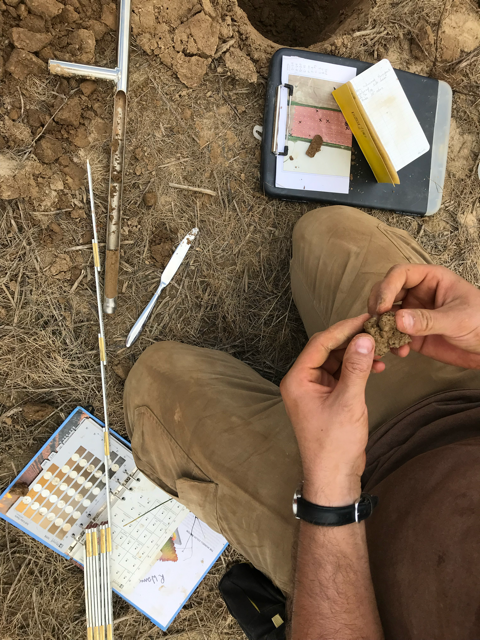
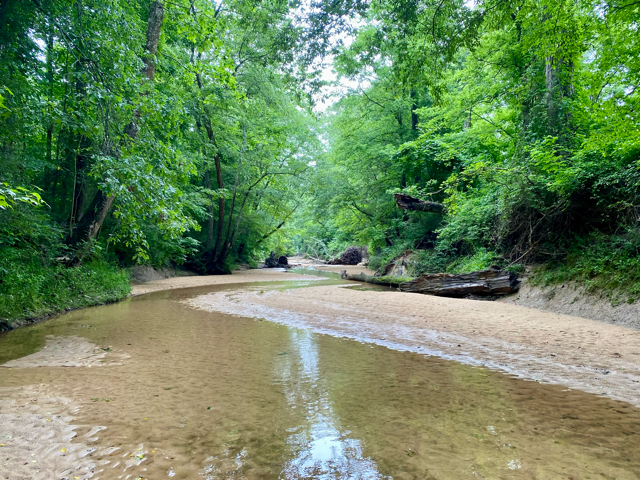
Site characterization surveys provide a baseline understanding of the biological resources present within a project area before environmental review begins. These surveys document habitat types, identify features of potential significance to sensitive species, and assess overall ecological conditions that may influence permitting decisions. Volant conducts site characterization surveys across a wide range of project settings — from linear infrastructure corridors to discrete development footprints — providing clients with the foundational data needed to determine what additional surveys or regulatory consultations may be required. Early, thorough site characterization reduces the risk of unexpected regulatory complications later in the project timeline.
Bat and Bird Conservation Plans
Bat and bird conservation plans are developed to guide avoidance, minimization, and mitigation measures for projects that may affect these species during construction, operation, or land management activities. These plans outline specific protocols — such as seasonal work restrictions, tree clearing windows, acoustic monitoring requirements, and habitat restoration commitments — that reduce project impacts and satisfy agency requirements. Volant develops bat and bird conservation plans grounded in current USFWS guidance and tailored to the specific species, habitats, and project conditions at hand. Our plans are written to be practical for project teams to implement while meeting the conservation standards required for regulatory approval. For projects affecting Indiana bat, northern long-eared bat, or tricolored bat, well-crafted conservation plans are often a critical component of achieving and maintaining ESA compliance.
Public Involvement
Public involvement is a required component of many NEPA processes, ensuring that affected communities, stakeholders, and agencies have the opportunity to review and comment on proposed project actions and their environmental effects. Volant supports clients through the public involvement process by preparing clear, accurate biological documentation that can withstand public and agency scrutiny. We assist with the development of species and habitat summaries suitable for public-facing environmental documents, coordination with resource agencies during comment periods, and preparation of technical responses to biological comments received during review. Our goal is to help clients present sound, science-based environmental information that builds confidence among reviewers and keeps the public process moving efficiently.