Bridge & Culvert Bat Surveys for Transportation & Infrastructure Projects
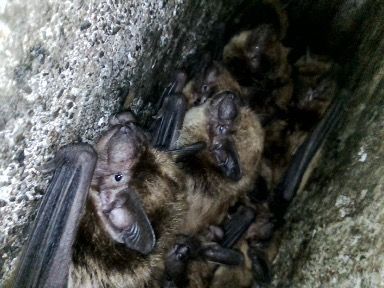
Bridges and culverts are recognized by the U.S. Fish and Wildlife Service as potential roosting habitat for federally listed bat species, and their assessment is a required component of ESA compliance for many transportation, infrastructure, and land management projects. At least 24 North American bat species — including the Indiana bat (Myotis sodalis), northern long-eared bat (Myotis septentrionalis), gray bat, (Myotis grisescens), and tricolored bat (Perimyotis subflavus) — have been documented using bridges and culverts as day and nighttime roost sites. Volant EcoServices conducts USFWS-compliant bridge and culvert bat surveys for state DOTs, Federal Highway Administration contractors, utility companies, railroad and transit agencies, and private developers across Ohio, Pennsylvania, Kentucky, West Virginia, Indiana, Virginia, and the broader eastern United States.
Bridge and culvert bat surveys are governed by the Range-wide Indiana Bat and Northern Long-Eared Bat Survey Guidelines and may be required as part of ESA Section 7 consultation, the Programmatic Biological Opinion for Transportation Projects, and state-level natural resource review processes. Volant designs and executes bridge and culvert survey programs that meet current USFWS requirements, coordinate with the appropriate Field Offices, and produce defensible results that support project timelines and regulatory compliance.
Why Bridges & Culverts Matter for Bat ESA Compliance
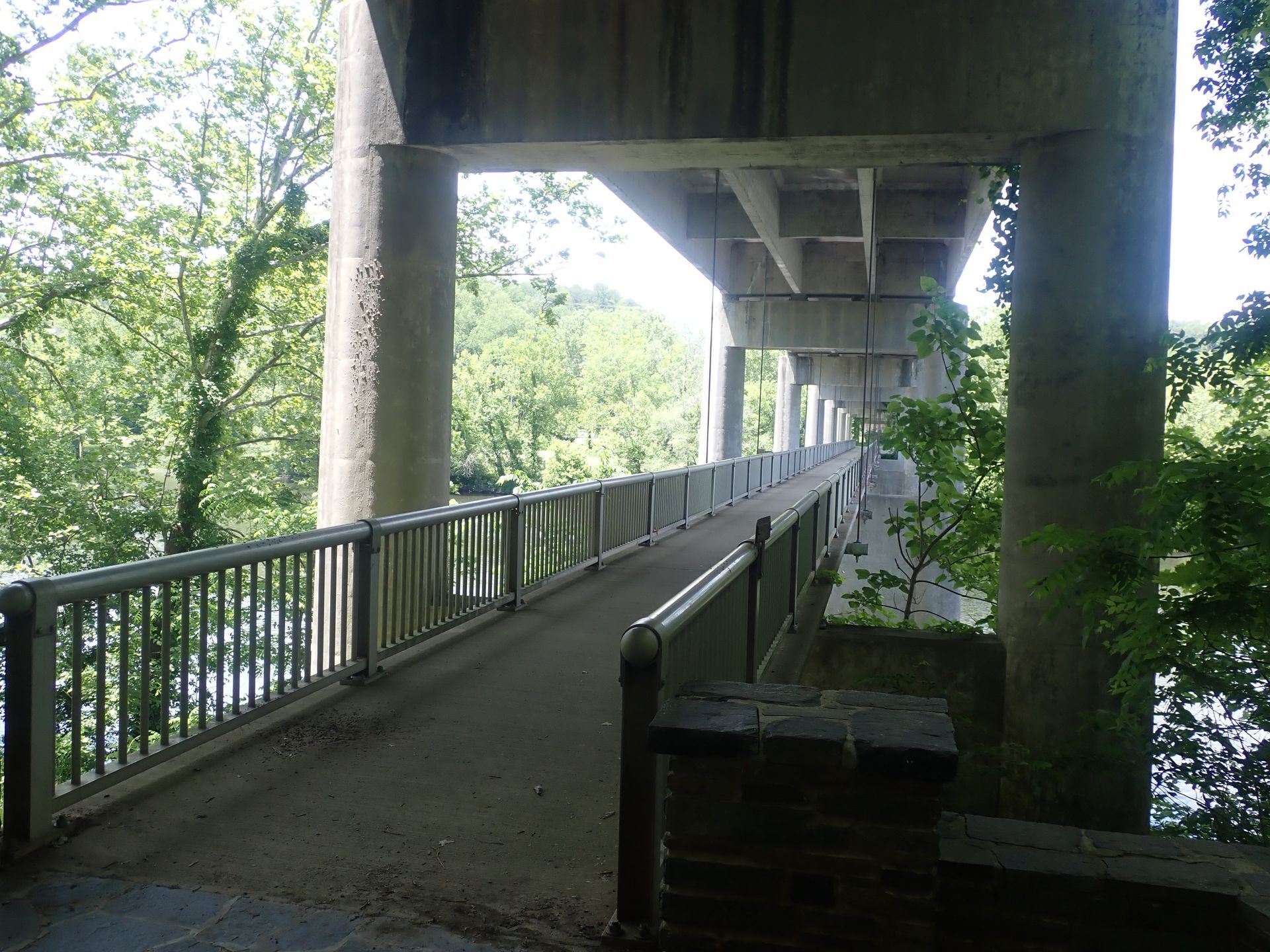
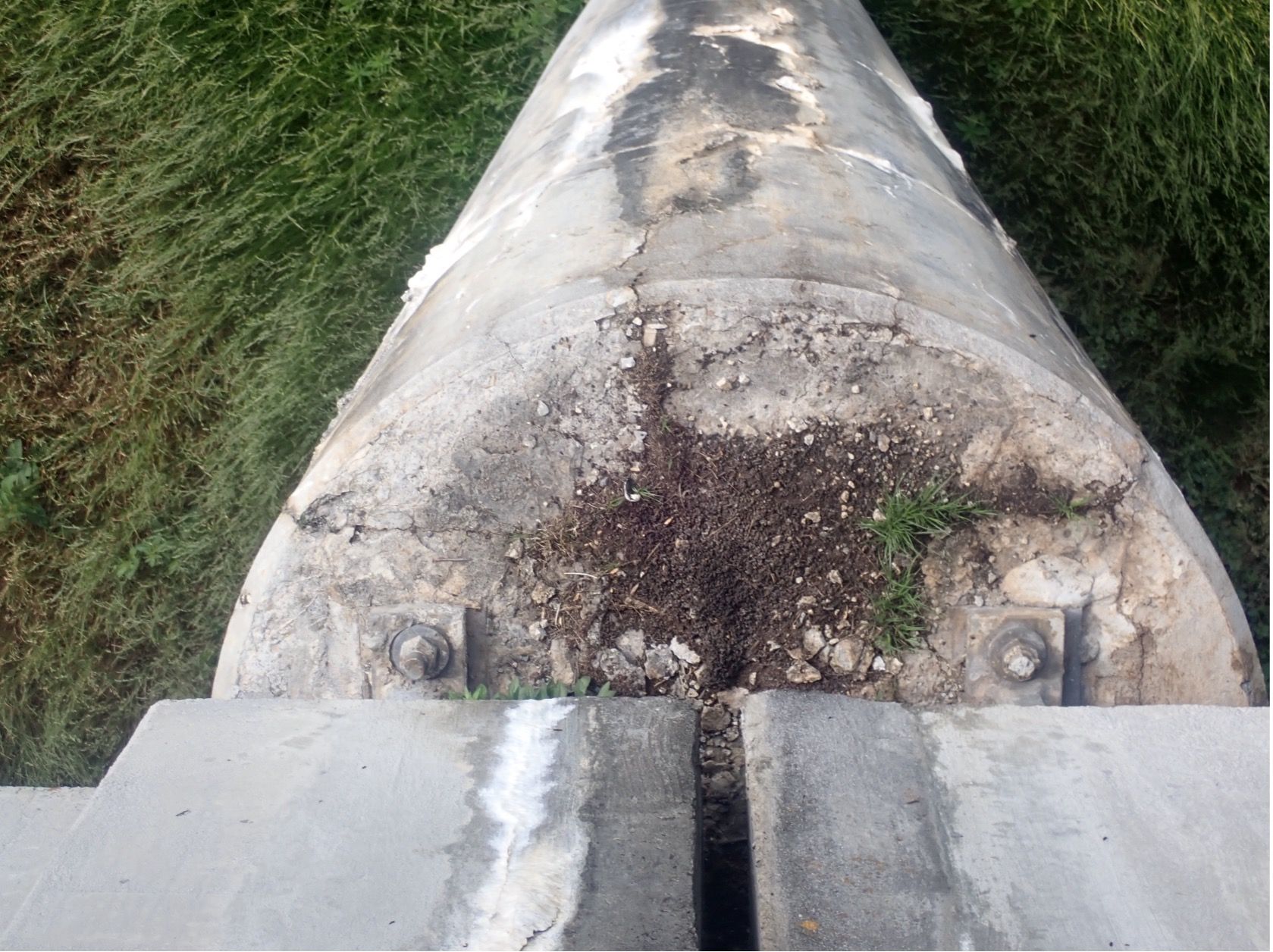
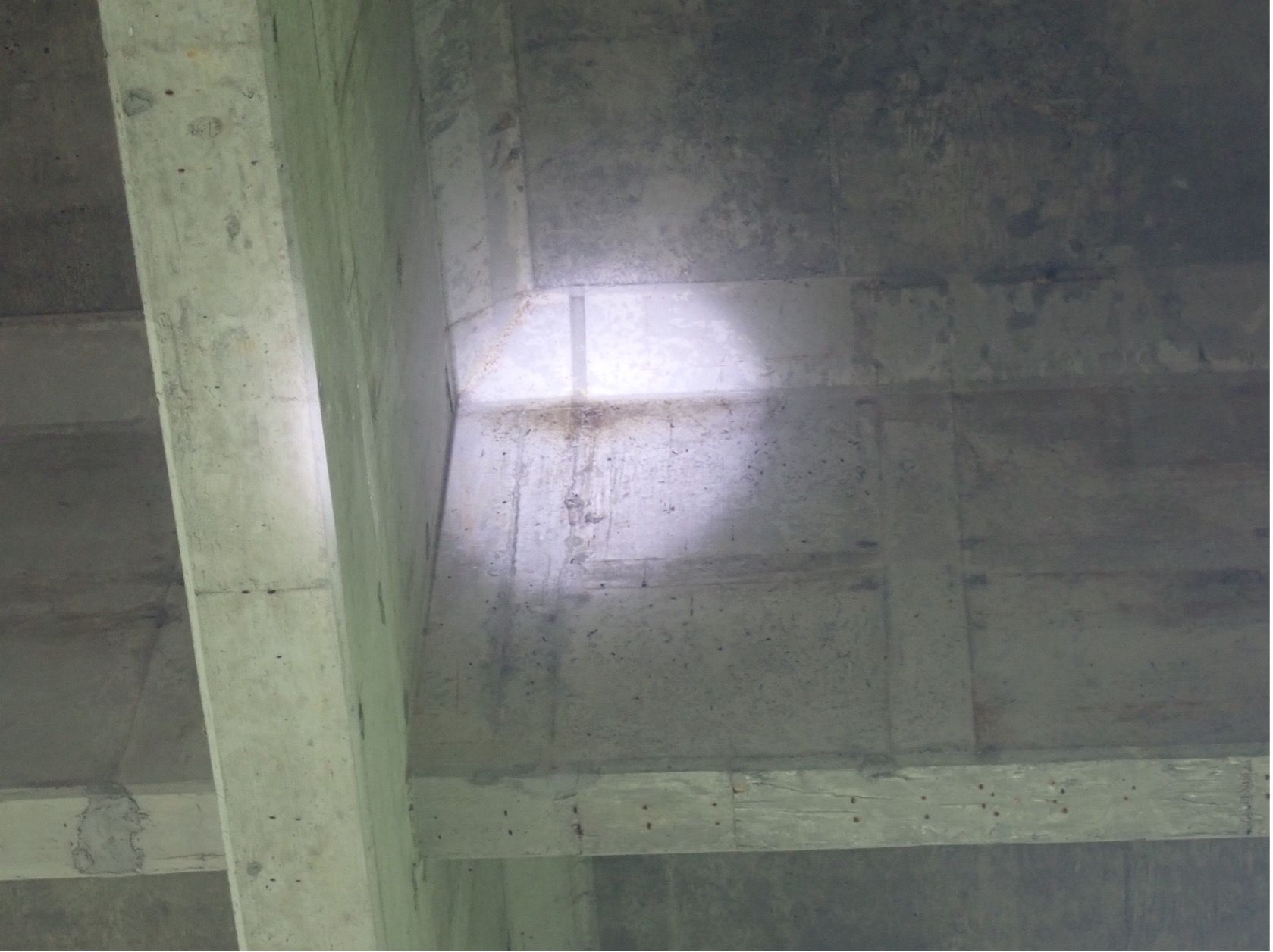
Bridges and culverts provide bat habitat in ways that are often underestimated in project planning. Expansion joints, cracks, crevices, open voids, drain holes, and rough surfaces within bridges create roosting opportunities similar to tree cavities and rock fissures — particularly for maternity colonies during the active season. Culverts, especially in areas where cave habitat is limited, can provide the cool, humid, enclosed conditions that listed bat species use for extended torpor during winter months.
For project proponents, this means that bridges and culverts within or near a proposed project footprint must be evaluated for bat use before construction, rehabilitation, demolition, or replacement work begins. Failure to assess structures that may support Indiana bat, northern long-eared bat, or tricolored bat prior to disturbance can result in unauthorized take under the ESA — with significant legal and project consequences.
When Are Bridge & Culvert Bat Surveys Required?
Bridge and culvert surveys are typically required when a proposed project involves:
- Rehabilitation, replacement, or demolition of bridges or culverts within suitable bat habitat
- Construction activities that may disturb roosting bats in or on transportation structures
- Projects subject to ESA Section 7 consultation where transportation structures are present within the action area
- Projects falling under the Programmatic Biological Opinion for Transportation Projects in the Range of the Indiana Bat and Northern Long-Eared Bat
- State DOT projects where USFWS Field Office coordination identifies bridge or culvert assessment as a requirement
The appropriate timing for surveys should be coordinated with your local USFWS Field Office. Survey timing depends on whether the goal is to document active season roosting — typically during maternity and staging periods — or winter torpor use, particularly for culverts in areas with limited cave habitat. If a project impact is permanent, timing the survey when bats are most likely to be present and active provides the most complete information for Section 7 consultation.
Negative presence/probable absence survey results for bridge and culvert assessments conducted in accordance with USFWS Guidelines are valid for two years from the date of the approved survey report — a shorter validity period than the five years applied to summer active season surveys, reflecting the dynamic nature of bat use of transportation structures.
Suitability Assessment — What We Evaluate
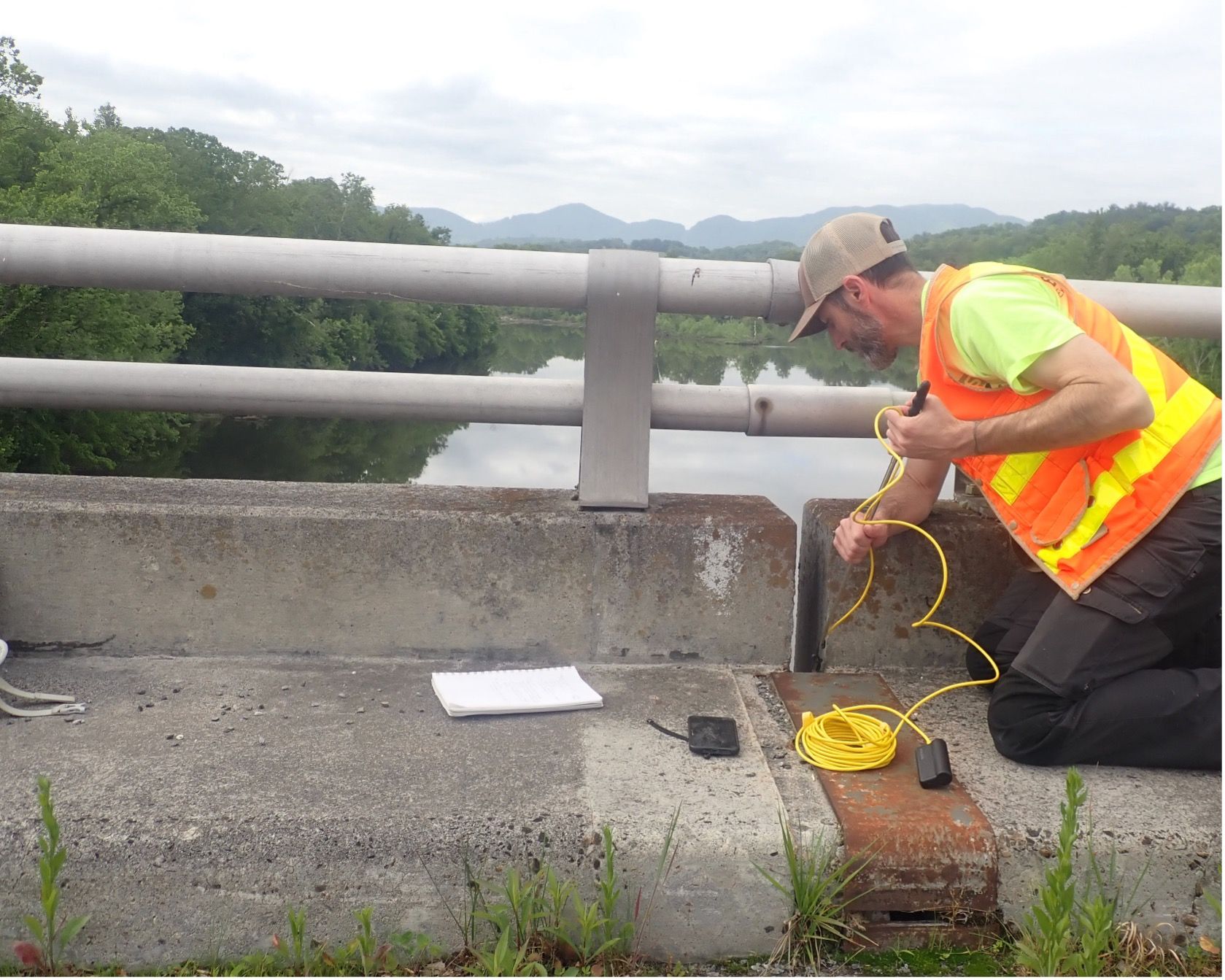
Before conducting presence/probable absence surveys, Volant biologists complete a thorough suitability and safety assessment of each structure. This assessment evaluates whether a bridge or culvert meets the minimum criteria for potential bat roosting habitat for each target species.
For culverts, the USFWS Guidelines establish minimum entrance dimensions for each target species. A culvert must also be at least 23 feet in length to be considered suitable:
- Indiana bat — minimum culvert entrance height/diameter of 4 feet
- Northern long-eared bat — minimum culvert entrance height/diameter of 4.5 feet
- Tricolored bat — minimum culvert entrance height/diameter of 3 feet
Culverts that are fully enclosed, blocked, grated, or otherwise inaccessible to bats are generally excluded from assessment requirements. Partially obstructed structures may still be suitable and should be inspected if they meet the minimum dimensions above.
For bridges, the USFWS Guidelines note that most bridges containing cracks, crevices, expansion joints, and open voids should be considered potential habitat for all three target species and assessed if safe to do so. Because bridges typically contain numerous structural features suitable for bat roosting, any bridge that is safe to enter and assess is generally considered potential habitat.
Safety assessment is a mandatory first step in all bridge and culvert work. Volant biologists thoroughly evaluate each structure for traffic hazards, unstable surfaces, swift water, enclosed space risks, and other potential dangers before any field assessment begins. Only structures deemed safe are entered, and all work is conducted using appropriate personal protective equipment in accordance with organizational safety protocols.
Survey Methods
Volant conducts bridge and culvert bat surveys using methods tailored to structure type, size, target species, and seasonal conditions — all in coordination with and approved by the appropriate USFWS Field Office.
Visual Inspection & Emergence Surveys
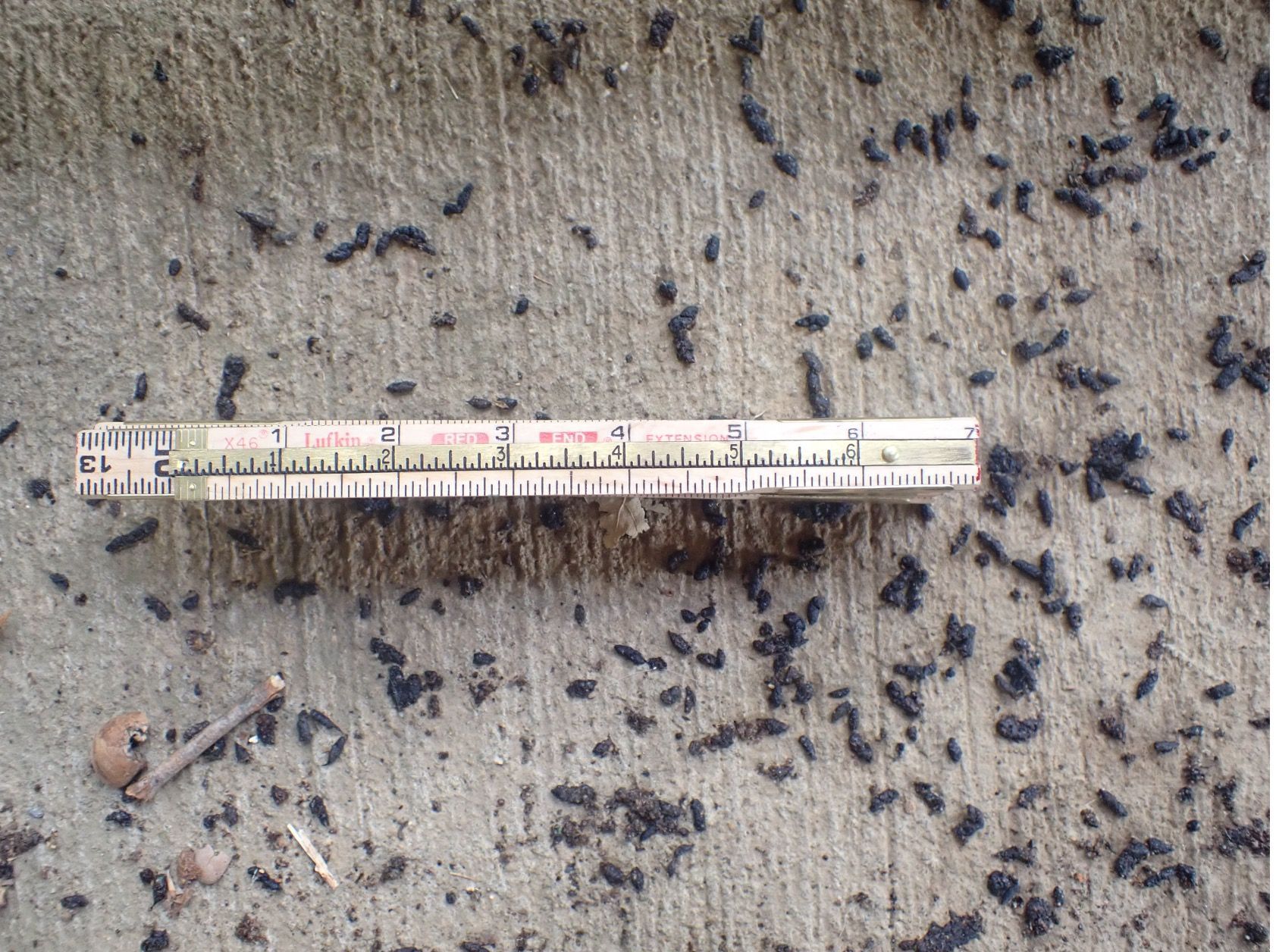
Visual inspection documents the presence of bats, bat sign (guano, staining, insect debris), and structural features suitable for roosting. Emergence surveys are conducted at dusk to observe bats exiting the structure, documenting species composition, emergence timing, and relative abundance. Emergence data provides direct evidence of active roosting and informs the significance of the structure to local bat populations.
Acoustic Monitoring
Acoustic detectors may be deployed at bridge and culvert locations to document bat activity at and around structures — particularly useful for detecting species that may be present but difficult to observe visually. All acoustic data is analyzed using USFWS-approved software and manually vetted by our federally permitted biologists.
Harp Trapping
For culvert entrances during fall or spring surveys where hibernation use by Indiana bat, northern long-eared bat, or tricolored bat is a concern, harp trapping may be used to capture and identify bats entering or exiting the structure. Harp trapping protocols follow the USFWS Guidelines and require prior study plan approval from the USFWS Field Office.
Programmatic Biological Opinion for Transportation Projects
Projects involving Federal Highway Administration, Federal Railroad Administration, or Federal Transit Administration funding or permits may be covered under the Programmatic Biological Opinion (PBO) for Transportation Projects in the Range of the Indiana Bat and Northern Long-Eared Bat. The PBO establishes standardized conservation measures and survey requirements for transportation projects — including specific bridge and culvert assessment protocols — that, when followed, allow projects to proceed without individual Section 7 consultation in most cases.
Volant is familiar with the PBO framework and its bridge and culvert assessment requirements. We help transportation clients determine whether their project qualifies for PBO coverage, what assessments are required, and how to document compliance with PBO conservation measures to maintain project authorization. If a project falls outside PBO coverage — for example, if Indiana bat, northern long-eared bat, or tricolored bat presence is confirmed — we provide the survey data and consultation support needed to navigate formal Section 7 review.
Personnel Qualifications
Bridge and culvert bat surveys must be conducted by qualified biologists who meet USFWS training requirements. At a minimum, surveyors must complete the USFWS virtual bat and transportation structures training before conducting field assessments. Additional state-specific training may also be required in certain states.
Volant's lead biologists hold a USFWS Section 10(a)(1)(A) Recovery Permit for Indiana bat, northern long-eared bat, and gray bat, and our team meets all qualification requirements for bridge and culvert bat assessments across our service area. We coordinate with USFWS Field Offices in each state to ensure that survey plans meet local requirements and that all personnel qualifications are documented and submitted with study plan requests.
Survey Planning, Reporting & USFWS Coordination
All bridge and culvert bat surveys conducted by Volant begin with a proposed study plan submitted to the appropriate USFWS Field Office for review and approval. Study plans document survey objectives, methods, personnel qualifications, target species, structure locations, proposed survey timing, and expected outcomes for each possible survey result.
Survey results — whether positive or negative — are submitted to the coordinating USFWS Field Office following completion of fieldwork. Reports include structure descriptions, suitability assessments, survey methods, weather conditions, bat activity documentation, species identifications, photographs of each structure and survey setup, and any recommendations for avoidance, minimization, or mitigation measures where listed bat species are confirmed.
If Indiana bat, northern long-eared bat, gray bat, or tricolored bat are positively identified during a bridge or culvert assessment, or if species identification cannot be verified at a structure with evidence of bat use, the USFWS Field Office is notified within 48 hours to determine next steps.
Planning a transportation, bridge replacement, or infrastructure project that may require bridge and culvert bat surveys? Contact Volant EcoServices to speak with a federally permitted bat biologist about your project's survey needs across Ohio, Pennsylvania, Kentucky, West Virginia, Indiana, and the eastern United States.