ESA & NEPA Regulatory Compliance for Bat & Wildlife Projects
Obtaining permits and environmental approvals is only the first step. Staying compliant throughout project execution requires careful attention to permit conditions, seasonal restrictions, agency reporting obligations, and field-level protocols that protect listed species and keep projects out of regulatory jeopardy. Volant EcoServices provides hands-on regulatory compliance support to help clients implement permit conditions correctly, coordinate with agencies during active construction and operations, and fulfill post-project reporting requirements under the Endangered Species Act (ESA), National Environmental Policy Act (NEPA), and Clean Water Act.
We work with infrastructure developers, transportation agencies, utilities, wind energy companies, and land managers across Ohio, Pennsylvania, Kentucky, West Virginia, Indiana, Virginia, and the broader eastern United States to ensure that compliance obligations are clearly understood, properly documented, and consistently met in the field.
Endangered Species Act (ESA) Compliance
Obtaining permits and environmental approvals is only the first step. Staying compliant throughout project execution requires careful attention to permit conditions, seasonal restrictions, agency reporting obligations, and field-level protocols that protect listed species and keep projects out of regulatory jeopardy. Volant EcoServices provides hands-on regulatory compliance support to help clients implement permit conditions correctly, coordinate with agencies during active construction and operations, and fulfill post-project reporting requirements under the Endangered Species Act (ESA), National Environmental Policy Act (NEPA), and Clean Water Act.
We work with infrastructure developers, transportation agencies, utilities, wind energy companies, and land managers across Ohio, Pennsylvania, Kentucky, West Virginia, Indiana, Virginia, and the broader eastern United States to ensure that compliance obligations are clearly understood, properly documented, and consistently met in the field.
Seasonal Work Windows & Tree Clearing Restrictions
Many ESA permits and Biological Opinions for bat species include seasonal restrictions on vegetation clearing, ground disturbance, and construction activity near suitable habitat. These work windows are designed to avoid impacts during critical life-history periods — such as the Indiana bat active season, maternity roosting period, or hibernation — and failure to observe them can trigger unauthorized take findings with serious legal and project consequences.
Volant helps clients understand and implement work window requirements from the ground up. We review permit conditions, develop clear construction-phase guidance documents for project teams and contractors, and provide on-call support when field conditions or schedule changes raise compliance questions. For projects involving tree clearing near bat habitat, we assist with pre-clearing surveys, roost tree assessments, and coordination with USFWS to document compliance and resolve any issues that arise.
Construction Monitoring & Compliance Oversight
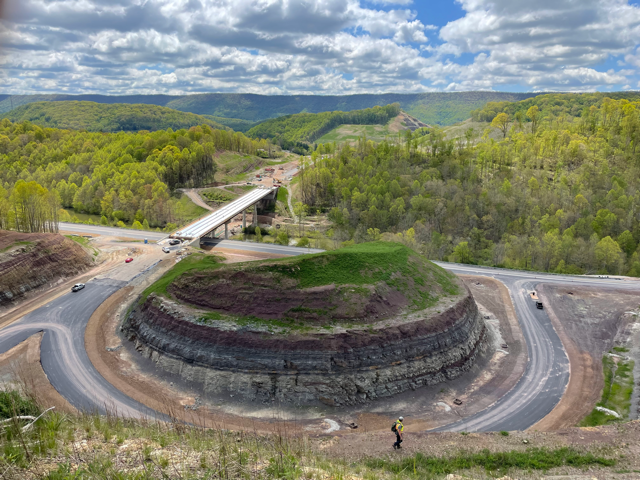
Active construction monitoring ensures that project activities remain within the boundaries established by permits and agency approvals, including maintenance to bridges and culverts. For projects with significant bat or wildlife compliance obligations, having a qualified biologist available during sensitive construction phases provides a critical layer of protection — catching potential issues before they become violations and documenting compliance for agency records.
Volant EcoServices provides construction-phase biological monitoring services tailored to the specific permit conditions and species concerns of each project. Our monitors are experienced in ESA compliance requirements and understand how to communicate effectively with construction crews and project managers to keep work moving while protecting regulatory standing. We provide clear field documentation and timely reporting that supports your compliance record throughout the project lifecycle.
Permit Compliance Monitoring & Reporting
Most federal and state environmental permits include ongoing monitoring and reporting requirements that extend beyond project completion. Biological Opinions may require post-construction surveys to document take levels, verify habitat conditions, or confirm that mitigation measures are functioning as intended. Incidental Take Permits and Habitat Conservation Plans often include annual reporting obligations to USFWS or state agencies.
Volant designs and implements permit compliance monitoring programs that are efficient, scientifically sound, and structured to satisfy agency requirements. We conduct post-construction bat surveys, prepare annual compliance reports, and coordinate with resource agencies to ensure that all reporting deadlines and documentation standards are met. Our reports are written to clearly demonstrate compliance and provide agencies with the data they need to close out permit conditions or renew approvals.
Agency Coordination During Project Execution
Regulatory compliance rarely unfolds exactly as planned. Unexpected species detections, schedule changes, habitat conditions that differ from pre-construction surveys, or contractor errors can all create mid-project compliance questions that require prompt agency coordination. How those situations are handled — and how quickly — can be the difference between a minor documentation update and a formal compliance investigation.
Volant serves as a knowledgeable liaison between project teams and regulatory agencies during construction and operations. We communicate clearly with USFWS Field Offices, state wildlife agencies, and Army Corps district offices to resolve compliance questions efficiently, document corrective actions when needed, and maintain the working relationships that keep projects moving. Our familiarity with agency expectations and regulatory processes allows us to navigate mid-project issues without unnecessary escalation or delay.
Clean Water Act & Section 404 Compliance
Projects that involve impacts to waters of the United States — including wetlands, streams, and other jurisdictional features — must comply with Section 404 of the Clean Water Act, which is administered by the U.S. Army Corps of Engineers. Permit conditions under Section 404 and associated Section 401 water quality certifications typically include requirements for erosion control, best management practices, mitigation site monitoring, and documentation of impacts within permitted boundaries.
Volant supports Clean Water Act compliance through wetland and stream delineations, jurisdictional determinations, mitigation site monitoring, and coordination with the Army Corps and state environmental agencies. We help clients track permit conditions, document compliance with impact limits, and fulfill reporting requirements associated with compensatory mitigation sites and in-lieu fee programs.
State-Level Regulatory Compliance
In addition to federal requirements, projects across the eastern United States must navigate a range of state-level environmental regulations governing wildlife, wetlands, water quality, and natural heritage resources. State endangered species laws, wildlife agency coordination requirements, and natural heritage review processes vary significantly by jurisdiction and can impose additional survey, permitting, and compliance obligations beyond what federal law requires.
Volant is familiar with state-level regulatory frameworks across Ohio, Pennsylvania, Kentucky, West Virginia, Indiana, Virginia, and neighboring states. We help clients identify applicable state requirements early in the project planning process, conduct state-required surveys, and maintain compliance with state agency conditions throughout project execution. Our regional experience allows us to anticipate state agency concerns and address them proactively, reducing the risk of compliance gaps that can slow project timelines.
Work With a Compliance Partner Who Knows the Science
Environmental regulatory compliance is most effective when your compliance team understands the biology behind the regulations — not just the paperwork. At Volant EcoServices, our compliance support is grounded in deep field experience with bat species, wetland systems, and sensitive habitats across the eastern United States. We don't just track permit conditions; we understand why those conditions exist and how to implement them in a way that genuinely protects species while keeping your project on track.
Ready to discuss compliance support for your project? Contact Volant EcoServices to speak with our team about your specific permit obligations and regulatory requirements across Ohio, Pennsylvania, Kentucky, West Virginia, Indiana, and the eastern United States.