
Biosurveys & Biological Field Surveys for Wildlife & Plants
Volant EcoServices conducts comprehensive biological surveys — biosurveys — to document the presence, abundance, and distribution of plant and animal species across diverse landscapes throughout Ohio, Pennsylvania, Kentucky, West Virginia, Indiana, Virginia, and the broader eastern United States. Our biosurveys are tailored to the specific needs of each project, whether for baseline ecological inventories, conservation planning, regulatory compliance, habitat assessment, or long-term ecological monitoring.
Our team brings deep taxonomic expertise across mammals, birds, reptiles, amphibians, invertebrates, and plants, with particular depth in bat species including the Indiana bat (Myotis sodalis), northern long-eared bat (Myotis septentrionalis), tricolored bat (Perimyotis subflavus), and other sensitive and listed species found across the eastern US. We employ a broad range of field methods suited to different taxa and habitats — from acoustic monitoring and mist-netting to point counts, visual encounter surveys, pitfall trapping, and camera trapping — always following agency-approved protocols that produce accurate, defensible data.
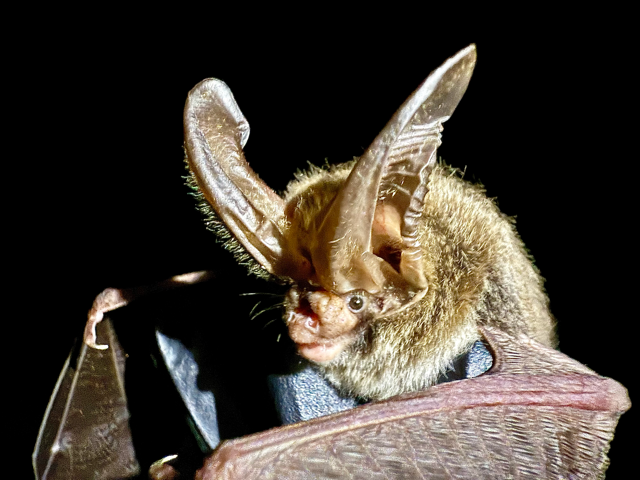
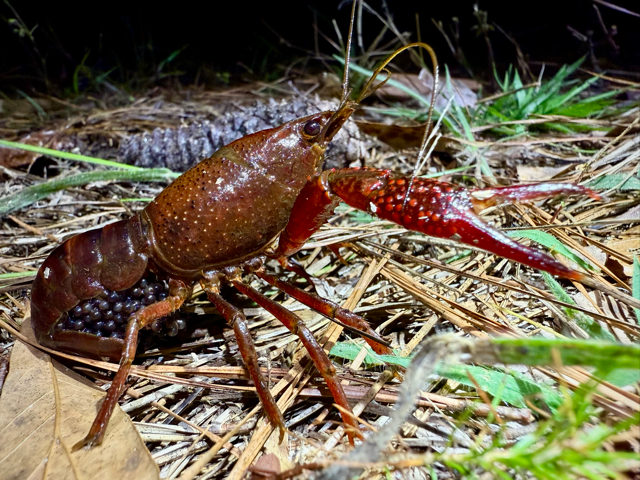
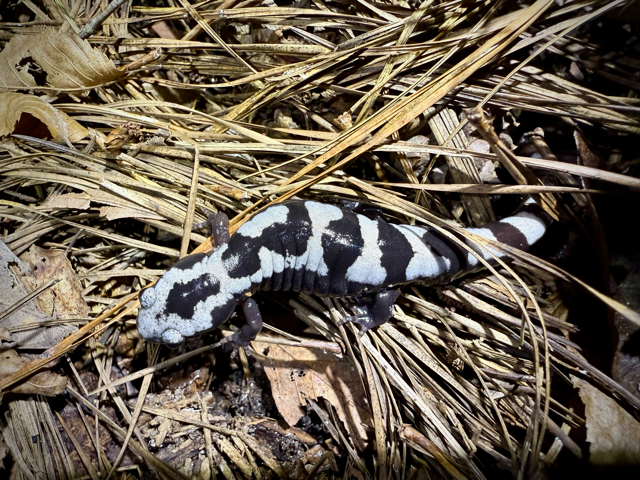
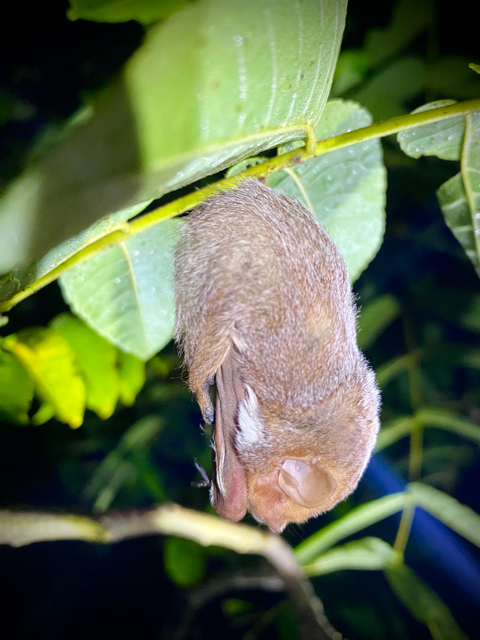
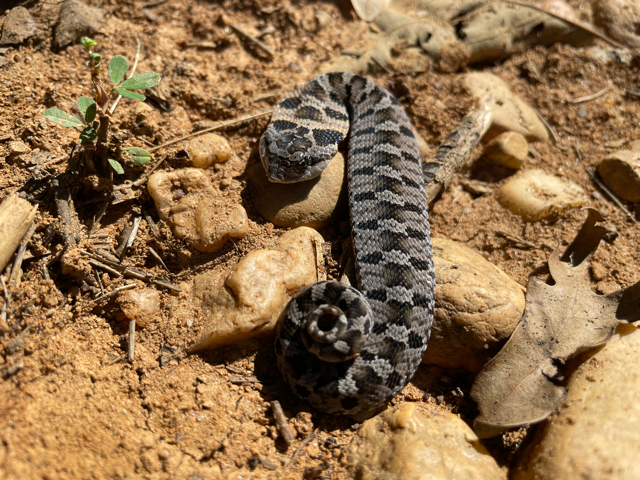
Our biosurveys support infrastructure development, land management, ecological restoration, conservation planning, and environmental assessments across a wide range of project types and scales. Whether you need a single-site species inventory or a multi-habitat landscape assessment, Volant delivers thorough, well-documented results that give clients and agencies confidence in the biological data underlying their decisions.
Ready to discuss biosurvey or biological field survey needs for your project? Contact Volant EcoServices to speak with our team about species inventories, habitat assessments, and ecological survey programs across the eastern United States.
Breeding Bird Surveys
Breeding bird surveys document the species composition, abundance, and distribution of birds during the breeding season — the period when detection rates are highest and regulatory protections for many species are most stringent. These surveys are commonly required to support NEPA review, threatened and endangered species assessments, state natural heritage reviews, and conservation planning for projects affecting forested, grassland, wetland, and edge habitats.
Volant conducts breeding bird surveys using standardized point count and transect methodologies, adapted to the habitat type and target species of each project. Our biologists are experienced with listed and sensitive bird species across the eastern United States, including area-sensitive forest interior species, neotropical migrants, grassland birds, and wetland-dependent species. Survey results are compiled into detailed reports suitable for agency review, environmental documentation, and long-term monitoring programs.
Bat Surveys
Bat surveys are among Volant's core areas of expertise. We conduct comprehensive bat surveys for federally listed species including the Indiana bat (Myotis sodalis), northern long-eared bat (Myotis septentrionalis), and tricolored bat (Perimyotis subflavus), as well as a full range of eastern US bat species encountered during baseline inventory work. Survey methods include mist-netting, acoustic monitoring, emergence surveys, roost tree assessments, and potential hibernaculum surveys — providing a complete picture of bat species presence and habitat use within a project area.
Whether your bat survey need is driven by ESA compliance requirements or broader ecological inventory goals, our federally permitted biologists design survey programs that are appropriately scoped, scientifically rigorous, and structured to produce results that hold up to agency and peer review.
Raptor Surveys
Raptor surveys document the presence, diversity, and activity of hawks, eagles, owls, falcons, and other birds of prey within or near a project area. These surveys are most commonly required for wind energy projects, communication towers, and other tall structures where collision risk is a concern, and for projects affecting known raptor nesting or wintering habitat.
Volant conducts raptor surveys including nest searches, breeding season territory assessments, and migration watchpoint counts following standardized protocols. Our biologists are experienced with raptor species common across the eastern United States and familiar with the state and federal regulatory frameworks that govern raptor protection, including the Bald and Golden Eagle Protection Act and Migratory Bird Treaty Act. Survey results provide the documentation needed to satisfy agency requirements, inform project siting decisions, and demonstrate due diligence in assessing raptor-related project risks.
Small Mammal Surveys
Small mammal surveys document the presence and relative abundance of mice, voles, shrews, and other small mammal species within a project area. These surveys contribute to baseline ecological inventories, support habitat assessments for predator species that depend on small mammal prey, and document state-listed or sensitive small mammal species that may be present in specialized habitats.
Volant conducts small mammal surveys using Sherman live traps, pitfall arrays, and other capture methods appropriate to the target taxa and habitat conditions. All work follows standard trapping protocols with appropriate handling and release procedures. Survey data is integrated with vegetation and habitat assessments to provide a complete picture of mammal community composition and ecological function within the project area.
Medium & Large Mammal Surveys
Medium and large mammal surveys document the presence and activity of species such as white-tailed deer, black bear, river otter, beaver, bobcat, and other wildlife that may be ecologically significant or of regulatory concern within a project area. These surveys are valuable for conservation planning, habitat management, wildlife corridor assessments, and projects requiring documentation of mammal community composition for environmental review.
Volant conducts medium and large mammal surveys using camera trapping, track station arrays, sign surveys, and direct observation methods tailored to target species and project objectives. Camera trap data is especially useful for documenting cryptic or nocturnal species that are otherwise difficult to detect, and for generating presence/absence records across large areas with reasonable survey effort. Results are compiled into reports that document species detected, relative activity levels, and habitat associations relevant to project planning and conservation goals.
Invertebrate Surveys
Invertebrate surveys document the presence and diversity of insects, crustaceans, mollusks, and other invertebrate taxa within a project area. Freshwater mussels, crayfish, aquatic macroinvertebrates, and select terrestrial invertebrates include numerous federally and state-listed species across the eastern United States, and their presence can significantly influence permitting outcomes for projects near streams, wetlands, and specialized terrestrial habitats.
Volant conducts targeted invertebrate surveys using methods appropriate to the target taxa and aquatic or terrestrial setting, including qualitative and quantitative sampling of stream substrates, visual searches, and standardized sweep netting. Aquatic macroinvertebrate data can also be used as a biotic index of stream health, providing valuable context for watershed assessments and restoration planning. Our invertebrate survey results are compiled into detailed species reports suitable for regulatory review and conservation planning.
Reptile, Amphibian, & Turtle Surveys
Reptiles, amphibians, and freshwater turtles include numerous federally and state-listed species across the eastern United States, and survey requirements for these taxa are increasingly common for projects near wetlands, streams, vernal pools, forest edges, and other sensitive habitats. Detection of listed species such as the eastern hellbender, bog turtle, wood turtle, or state-listed salamanders can significantly influence project design, siting, and permitting outcomes.
Volant conducts targeted reptile, amphibian, and turtle surveys using coverboard arrays, aquatic sampling, visual encounter surveys, and anuran call surveys adapted to target species and seasonal activity windows. Our biologists are familiar with the habitat associations and detection methods for sensitive herpetofauna across Ohio, Pennsylvania, Kentucky, West Virginia, Indiana, Virginia, and neighboring states. Survey results provide the defensible documentation needed for ESA compliance, state natural heritage review, and conservation planning.
Vegetation Surveys
Vegetation surveys document plant community composition, structure, and condition within a project area, providing the ecological context needed for habitat quality assessments, wetland delineations, federally listed plant species evaluations, and conservation planning. For projects affecting forested habitats, shrublands, grasslands, or wetland plant communities, a thorough vegetation assessment is often the foundation for understanding how proposed activities may affect sensitive species and broader ecological functions.
Volant conducts vegetation surveys using standard phytosociological methods including relevé plots, line-intercept transects, and cover class estimates, to characterize plant communities and identify species of regulatory or conservation concern. Our ecologists are familiar with the flora of the eastern United States and experienced in recognizing the habitat features that support listed bat species, birds, and other wildlife. Vegetation survey results are integrated with our broader biological assessments to provide clients and agencies with a complete, ecologically grounded picture of project site conditions.
Habitat Assessments
Habitat assessments evaluate the quality, condition, and ecological function of landscapes in relation to the species and communities they support. These assessments are a critical early step in environmental review, helping to determine whether additional targeted surveys are warranted, identify features of regulatory significance such as potential roost trees, hibernacula, or wetland buffers, and inform project siting and design decisions that minimize impacts to sensitive resources.
Volant conducts habitat assessments across a wide range of project settings and habitat types, integrating vegetation characterization, structural habitat analysis, and species-specific suitability evaluations into a coherent assessment of ecological conditions. Our assessments are particularly valuable for projects where bat habitat suitability is a key regulatory question — evaluating features such as forest stand age and composition, snag density, proximity to water, and connectivity to known bat roosting and foraging areas. Results are compiled into clear, defensible reports that support environmental review, conservation planning, and regulatory compliance across federal and state permitting processes.