2026 USFWS Bat Survey Guidelines Released: What Changed and What It Means for Your Project
Today, the U.S. Fish and Wildlife Service (USFWS) released the 2026 version of the Range-wide Indiana Bat and Northern Long-Eared Bat Survey Guidelines — the foundational document governing presence/probable absence (P/A) survey methodology for the Indiana bat (Myotis sodalis), northern long-eared bat (Myotis septentrionalis), and tricolored bat (Perimyotis subflavus) across the eastern United States.
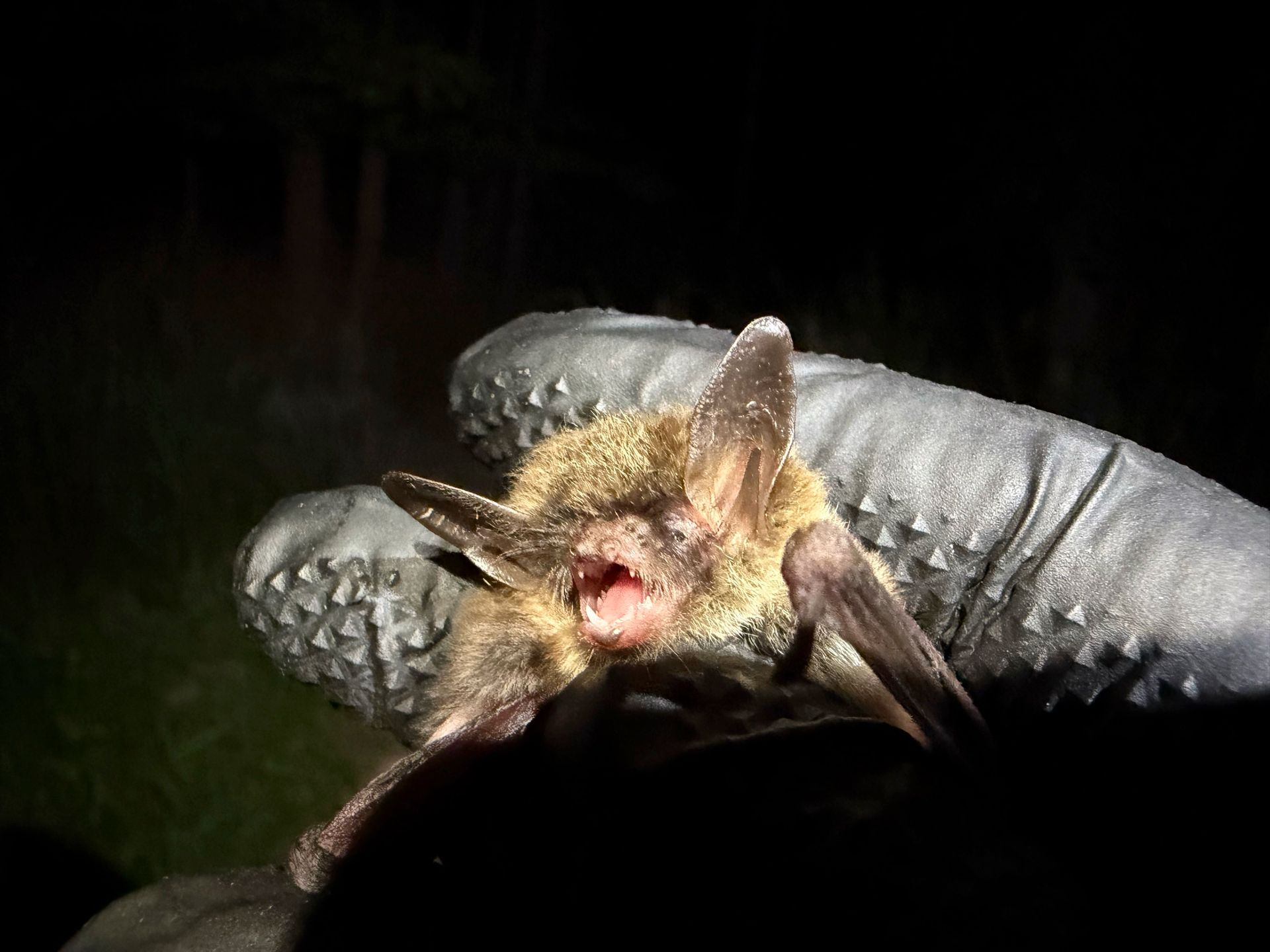
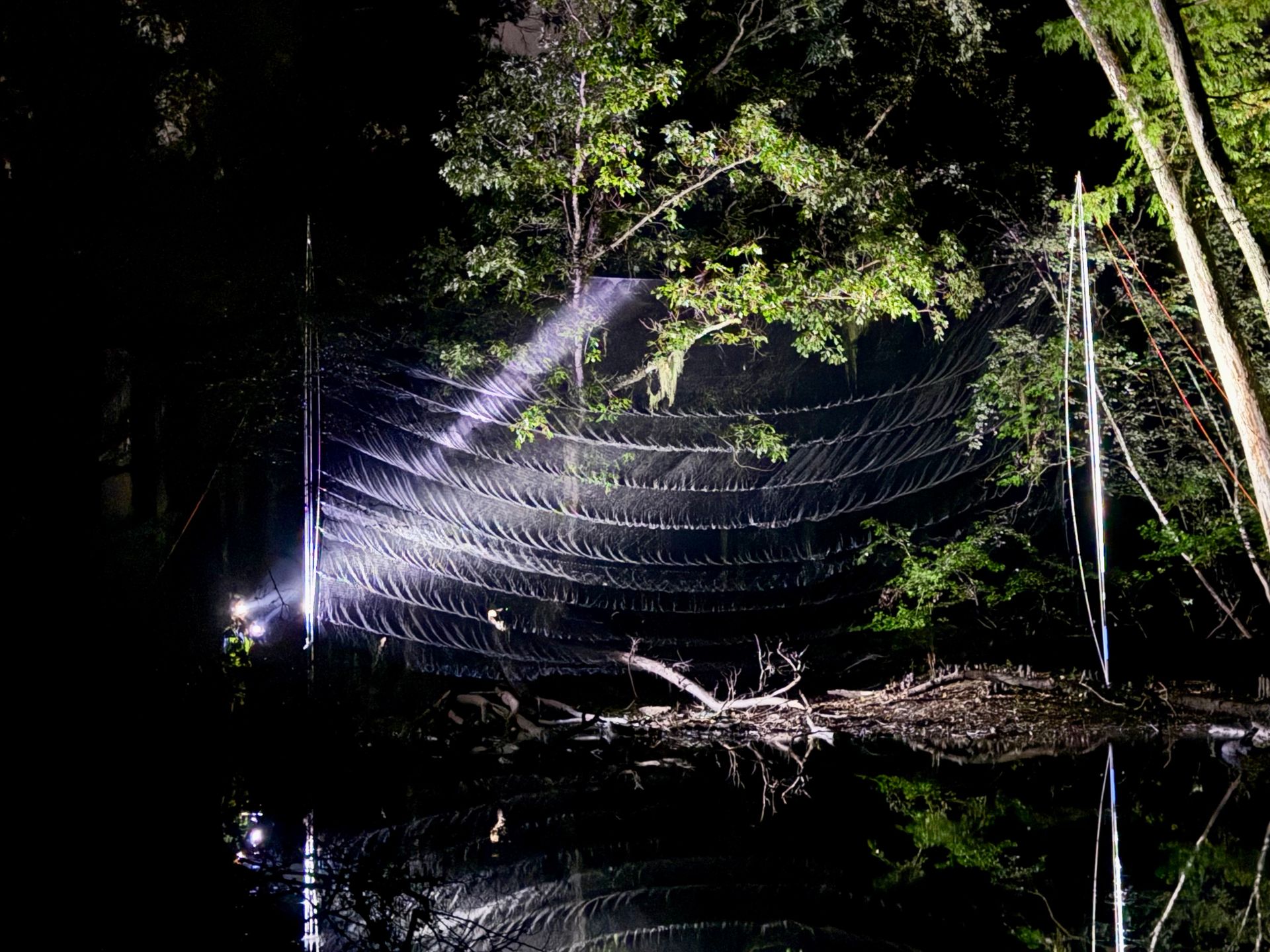
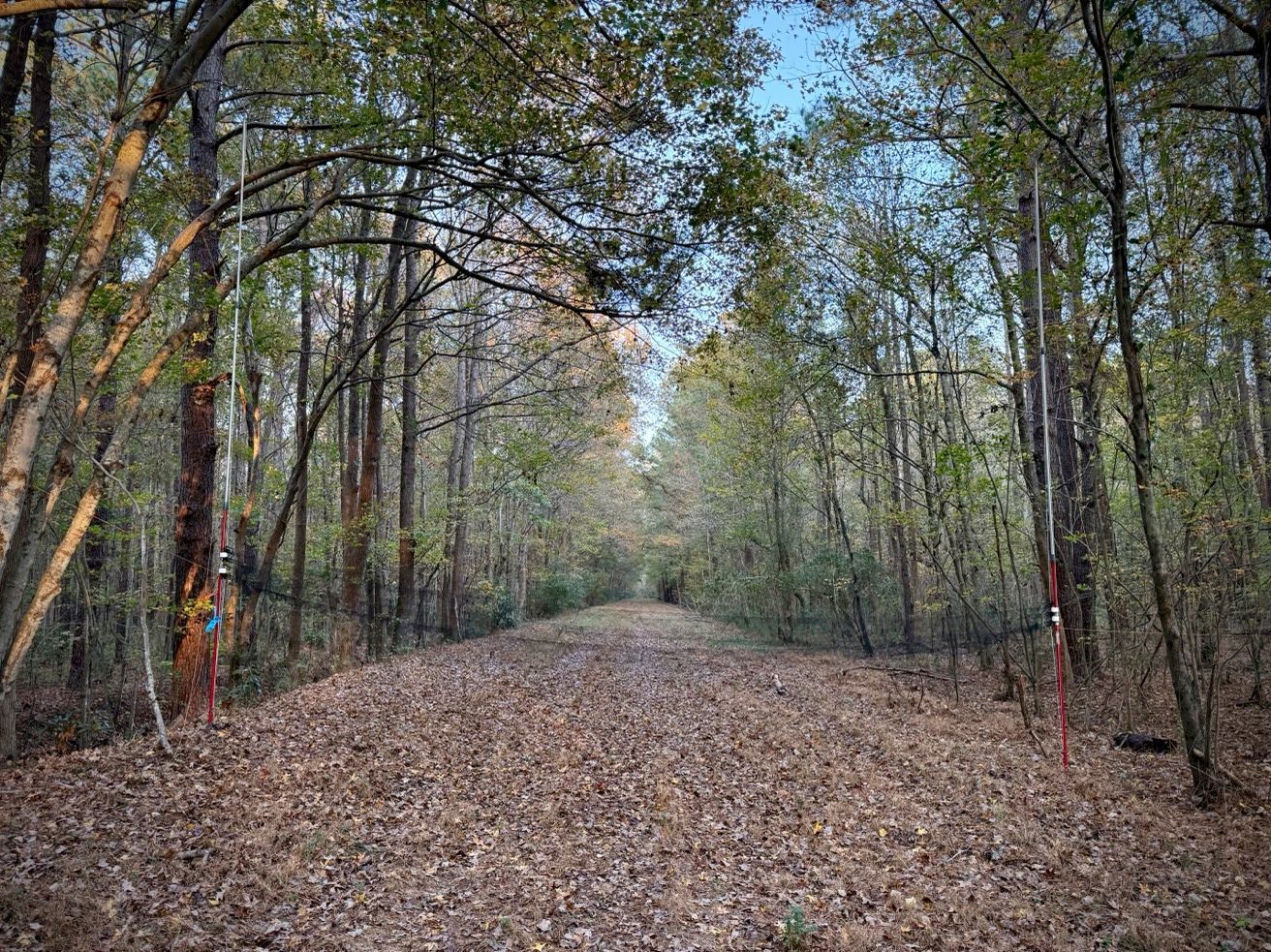
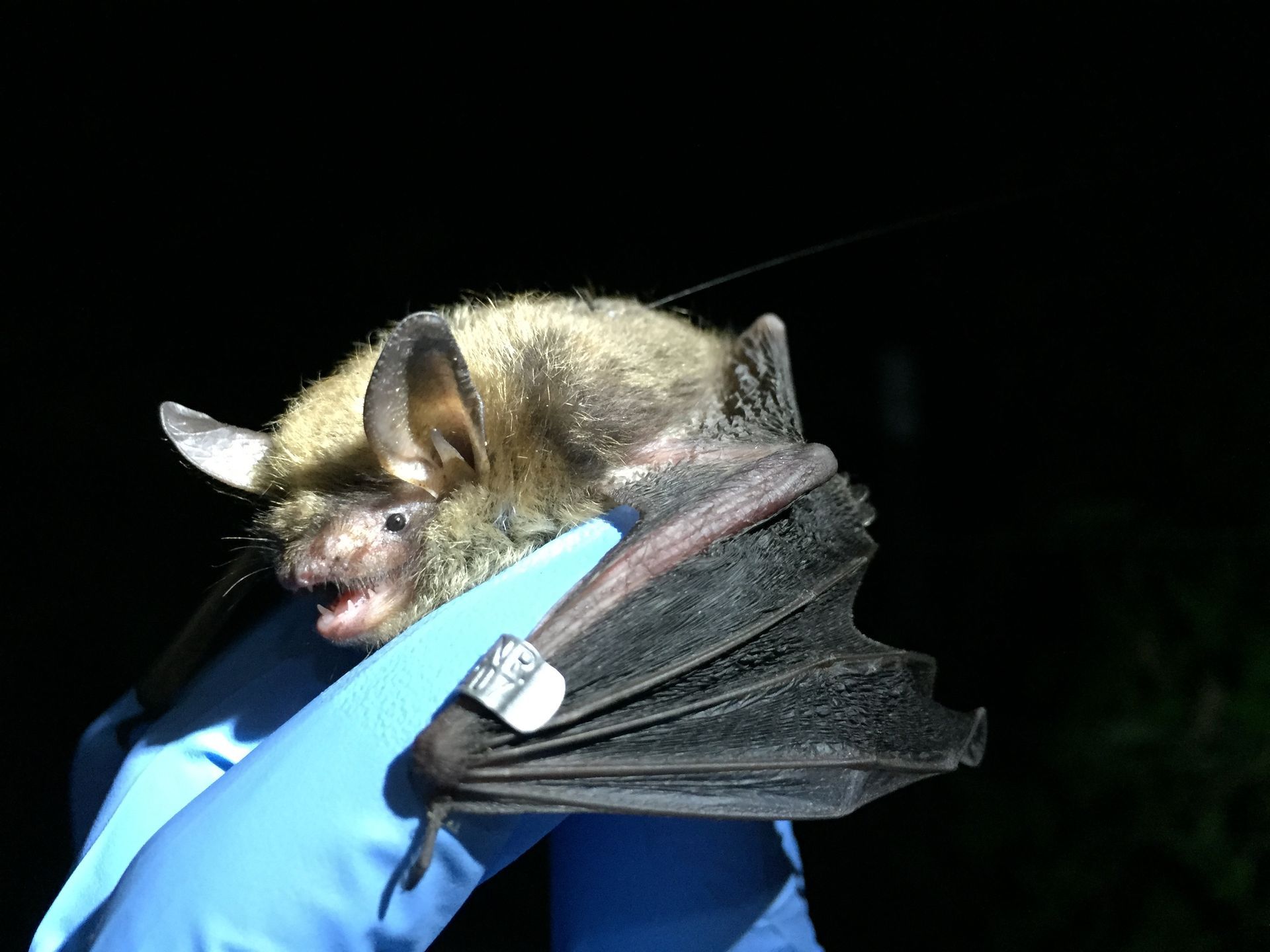
At Volant EcoServices, we base all of our bat survey methodology directly on these Guidelines — from mist-net surveys and acoustic monitoring to potential hibernacula surveys, fall/spring emergence surveys, bridge and culvert assessments, radio tracking, and emergence surveys. When the Guidelines change, the way we design and execute surveys changes with them. If you have an active project — or are planning one — here is what you need to know about the 2026 update.
What the USFWS Changed in 2026
The USFWS identified three primary changes in the 2026 Guidelines. Understanding each one helps project proponents and their consultants plan accordingly.
1. Streamlined Document Structure
The most immediately noticeable change is structural. The 2026 Guidelines document has been reduced by nearly half compared to previous versions. The USFWS explicitly states that this reduction was made to improve flow, clarity, and navigation — not to reduce the rigor of the survey requirements themselves.
What this means for your project: The core survey requirements — level of effort, survey windows, personnel qualifications, submission requirements — remain in place. The streamlined document should make it easier for project proponents and surveyors to locate relevant guidance quickly, but the underlying compliance expectations are unchanged. If you were planning surveys based on the 2024 Guidelines, coordinate with your local USFWS Ecological Services Field Office to confirm that your study plan aligns with the new 2026 version before submitting.
2. DNA Collection — New Instructions for Species Identification
One of the most substantive technical changes in the 2026 Guidelines is the formal inclusion of new instructions for DNA sample collection as a tool for species identification — specifically to reduce the need for wing biopsy punches, which are the most invasive of the DNA collection methods.
The 2026 Guidelines prioritize DNA collection methods in the following order, from most to least preferred:
- Fecal collection — lowest risk of injury or additional stress; preferred when bats opportunistically defecate during processing or when feces can be collected below a known roost
- Wing swabbing — second preferred method; provides adequate DNA while considered safe for the animal
- Buccal swabs — less preferable due to potential for stress or injury during insertion
- Wing biopsy punches — acceptable but least preferred; leaves a hole requiring healing and carries risk of tearing or infection
This hierarchy reflects a broader USFWS emphasis on minimizing stress and harm to listed bats during handling — particularly important for already-imperiled species like the Indiana bat and northern long-eared bat. The Guidelines note that fecal collection, wing swabbing, and buccal swabs can achieve approximately 95% efficacy for species identification, while wing biopsy punches reach approximately 98% — a relatively small difference that the USFWS has determined does not justify the additional invasiveness of biopsy collection as a first choice.
What this means for your project: If your survey captures a bat from the genus Myotis that cannot be readily identified to species in the field — a situation that arises most often with Indiana bat and little brown bat (Myotis lucifugus), which can be difficult to distinguish — DNA collection may be authorized or requested by the USFWS Field Office. Your survey team should be prepared to collect fecal or wing swab samples as the preferred methods. It is important to note that wing swabbing, buccal swabbing, and wing biopsy collection can only be conducted by individuals whose Section 10(a)(1)(A) Recovery Permit explicitly authorizes those activities. Collection of guano opportunistically, however, does not require a permit unless the bat is being held beyond the permitted 30-minute processing window.
At Volant EcoServices, our lead biologists Mary Gilmore and Dan Cox hold USFWS Recovery Permits for Indiana bat, northern long-eared bat, and gray bat, and our team is trained in appropriate handling and DNA collection procedures consistent with the updated Guidelines.
3. Western Species Identification — New Language for Western Myotis Species
The 2026 Guidelines include new language related to the identification of western Myotis bat species in portions of the NLEB and tricolored bat ranges that overlap with acoustically similar western species. This primarily affects surveys conducted in the western portions of these species' ranges — states such as Kansas, Nebraska, North Dakota, South Dakota, Montana, and Wyoming — where species like the long-eared myotis (Myotis evotis), western small-footed bat (Myotis ciliolabrum), and canyon bat (Parastrellus hesperus) can cause acoustic misidentification issues.
The 2026 FAQ confirms that for surveys in these western overlap zones, no acoustic software programs are currently approved as stand-alone tools. Surveyors must use two candidate programs and apply manual vetting protocols to confirm or reject species identifications.
What this means for your project: For the vast majority of Volant's clients in Ohio, Pennsylvania, Kentucky, West Virginia, Indiana, Virginia, and the broader eastern United States, this change has limited direct impact — the problematic western species overlap areas are outside your project geography. However, if you are working on a project in the range fringe states, this language is important. Coordinate with your local USFWS Field Office to confirm which software programs are approved and what manual vetting standards apply to your specific project location.
What Did Not Change in 2026
Given the scope of the document restructuring, it is worth being explicit about what the 2026 Guidelines did not change — because some of the most consequential requirements from recent years remain fully in effect.
Tricolored bat remains in scope. The 2026 Guidelines continue to include tricolored bat as a target species alongside Indiana bat and northern long-eared bat. The TCB-specific level of effort — using the NLEB LOE as the standard — remains in place. As the 2026 FAQ confirms, preliminary USFWS and USGS review indicates this LOE is sufficient to demonstrate P/A of tricolored bat throughout its range. The tricolored bat is currently proposed as federally endangered, and its inclusion in P/A survey planning remains essential for projects in suitable habitat.
Survey windows are unchanged. The summer survey season for the hibernating range remains May 15 – August 15. The year-round active survey season for NLEB and TCB remains March 1 – October 15. These windows govern when surveys must be completed to produce defensible presence/probable absence determinations.
Level of effort requirements are unchanged. The minimum survey LOE for mist-netting and acoustic surveys — the number of net-nights and detector-nights required per 123 acres of suitable habitat — remains the same as established in recent versions of the Guidelines. The combined acoustic and mist-netting approach remains available and is required for TCB surveys in areas outside the NLEB and IBAT range.
Study plan approval requirements remain in place. Surveyors are still required to receive prior, site-specific approval from the USFWS Field Office before conducting P/A surveys. Study plans should be submitted as early as possible — the Guidelines note that FOs can typically review and approve within 15 working days, but complex projects or energy projects can require 45–60 days. Plan accordingly.
Negative survey validity periods are unchanged. Negative P/A survey results remain valid for a minimum of five years from the year surveys are completed, assuming no significant habitat changes or new nearby detections. Negative bridge and culvert survey results remain valid for two years.
AudioMoth remains unacceptable. The 2026 Guidelines continue to explicitly exclude the AudioMoth detector (Open Acoustic Devices) from use in P/A surveys pending further refinement and testing. If your survey program uses AudioMoth as a primary detection tool, those results will not be accepted by the USFWS.
Acoustic Software — Check the Approved List Before Submitting Your Study Plan
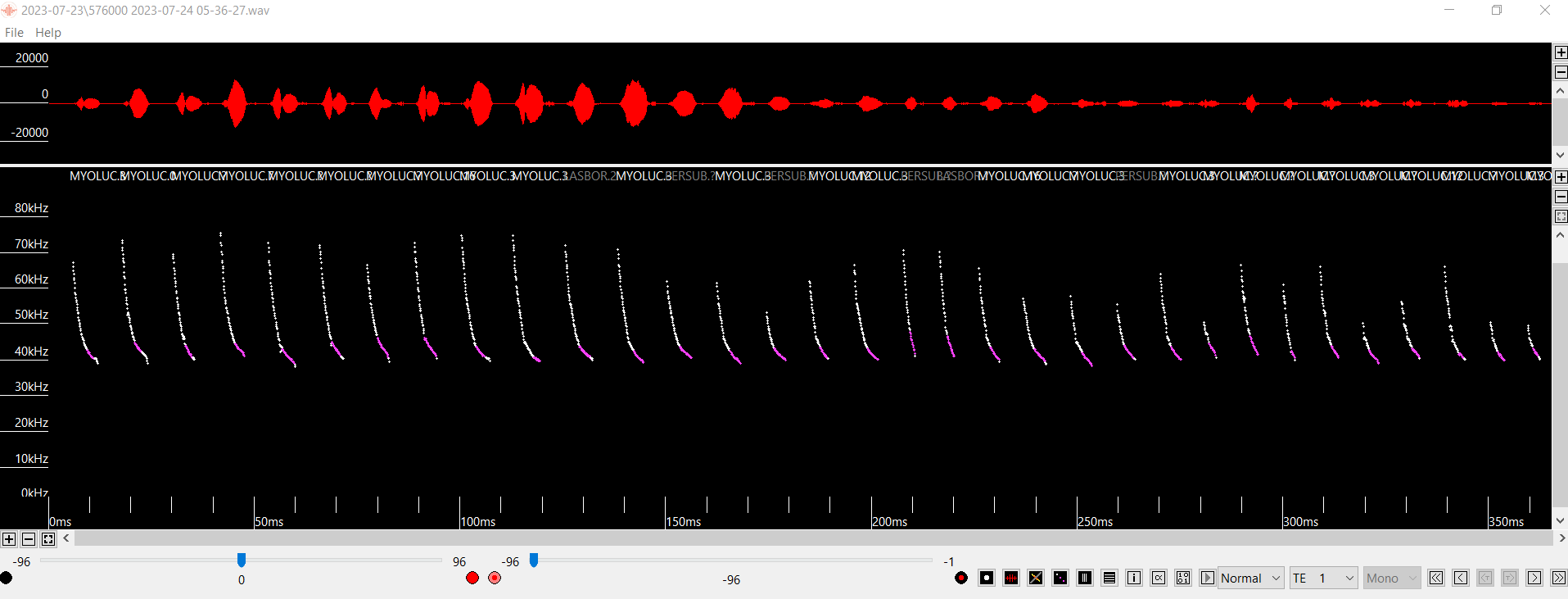
The USFWS included a prominent reminder in the 2026 Guidelines update: review the approved acoustic software list before submitting your study plan for 2026 surveys. The approved software list is maintained separately from the Guidelines document and is updated as new programs and new versions are tested. The 2026 FAQ confirms that Kaleidoscope Pro versions using the approved 5.4.0 Bats of North America classifier and SonoBat 30 versions using approved Regional Pack classifiers remain acceptable for use.
At Volant EcoServices, our acoustic data vetting team stays current with approved software versions and classifier updates. All acoustic data we collect or vet is analyzed using the most current USFWS-approved programs and is manually reviewed by our federally permitted biologists to ensure defensible, agency-ready results.
What This Means If You Have a Project in 2026
If your project is in the planning stages and you have not yet conducted bat surveys, the 2026 Guidelines are the version that applies to your work this season. Here is what we recommend:
Start early. Study plan review and approval by the USFWS Field Office takes time. For standard projects, plan for at least 15 working days. For energy projects, complex linear projects, or multi-FO coordination, allow 45–60 days or more. Submitting early in the calendar year gives your project the best chance of completing surveys within the appropriate survey windows.
Use IPaC first. Submit your project through the USFWS Information for Planning and Consultation website (IPaC) to generate an official species list and determine which of the three target species — Indiana bat, northern long-eared bat, and/or tricolored bat — are within your project area. This step should happen before any survey planning begins.
Confirm your survey method is appropriate. The 2026 Guidelines allow mist-netting, acoustic surveys, or a combined approach for most projects. The combined approach continues to offer flexibility for projects with challenging survey conditions or limited high-quality mist-net locations. For TCB-only range projects, the acoustic or combined approach is required.
Coordinate on DNA collection if relevant. If your project involves capture of Myotis bats with ambiguous species identification, discuss DNA collection authorization and preferred methods with your USFWS Field Office ahead of time. Ensure your permitted biologist's recovery permit explicitly authorizes the collection methods that may be needed.
Have Questions About the 2026 Guidelines and Your Project?
Volant EcoServices follows the most current USFWS bat survey guidelines for all presence/probable absence surveys, acoustic monitoring, hibernaculum assessments, bridge and culvert surveys, radio tracking, and emergence surveys. Our team monitors guideline updates as they occur and ensures that every study plan we develop reflects current USFWS requirements.
If you have questions about how the 2026 Guidelines affect your specific project — whether you are a developer, transportation agency, utility company, or land manager — contact Volant EcoServices to speak with a federally permitted bat biologist. We serve clients across Ohio, Pennsylvania, Kentucky, West Virginia, Indiana, Virginia, and the broader eastern United States.
This post was written on the date of the 2026 Guidelines release, March 20, 2026. As with all regulatory guidance, project proponents should consult directly with their local USFWS Ecological Services Field Office for project-specific questions and study plan approval. The full 2026 Guidelines and associated FAQ are available at fws.gov.