Do I Need a Bat Survey? A Plain-Language Guide to Regulatory Compliance Bat Surveys
You're a project manager, a developer, a transportation agency contractor, or a utility company environmental coordinator. You've just received a comment letter from the U.S. Fish and Wildlife Service — or your environmental consultant has flagged a potential issue — and suddenly someone is telling you that you need a bat survey before your project can move forward.
If your first reaction was "a bat survey? Why on earth do I need a bat survey?" — you're not alone. This is one of the most common questions we hear from new clients at Volant EcoServices. The short answer is that several bat species found across the eastern United States are federally protected under the Endangered Species Act, and projects that might affect their habitat — even indirectly — can trigger specific survey and compliance requirements before construction can begin.
This guide walks you through everything you need to know: who needs a bat survey, what triggers the requirement, when surveys have to happen, where they're conducted, and why the process exists in the first place. By the end, you'll have a clear picture of what's ahead and how to move through it efficiently.
Why Do Bats Have Federal Protection?
Before getting into the logistics, it helps to understand why bats matter from a regulatory standpoint. Three bat species found across the eastern United States are the primary drivers of bat survey requirements for development and infrastructure projects:
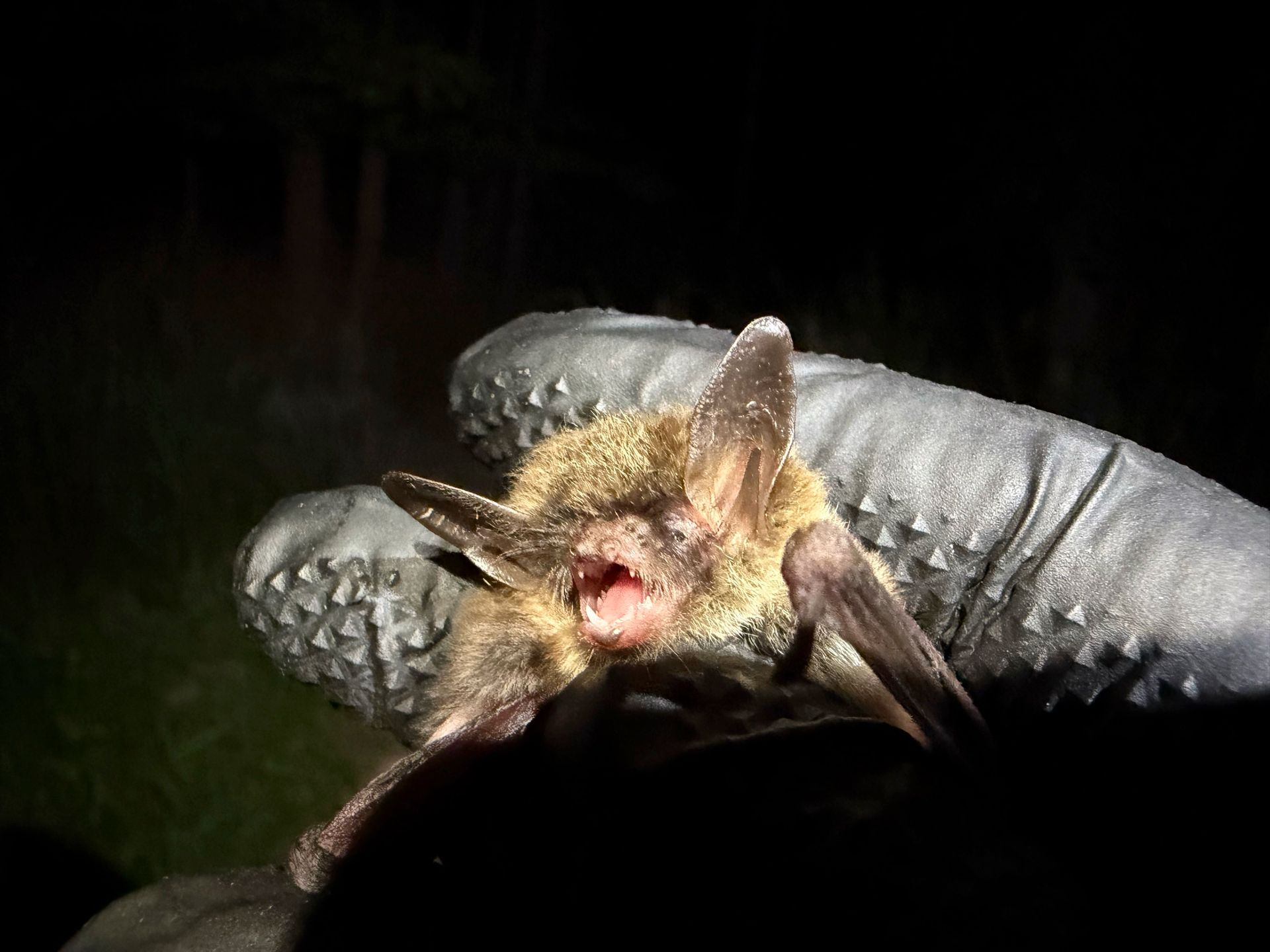
Indiana bat (Myotis sodalis) — Listed as federally endangered since 1967. Found across much of the eastern United States, the Indiana bat uses forested habitats for roosting and raising young in summer and hibernates in caves and mines during winter. White-nose syndrome — a devastating fungal disease — has caused population declines in recent decades.
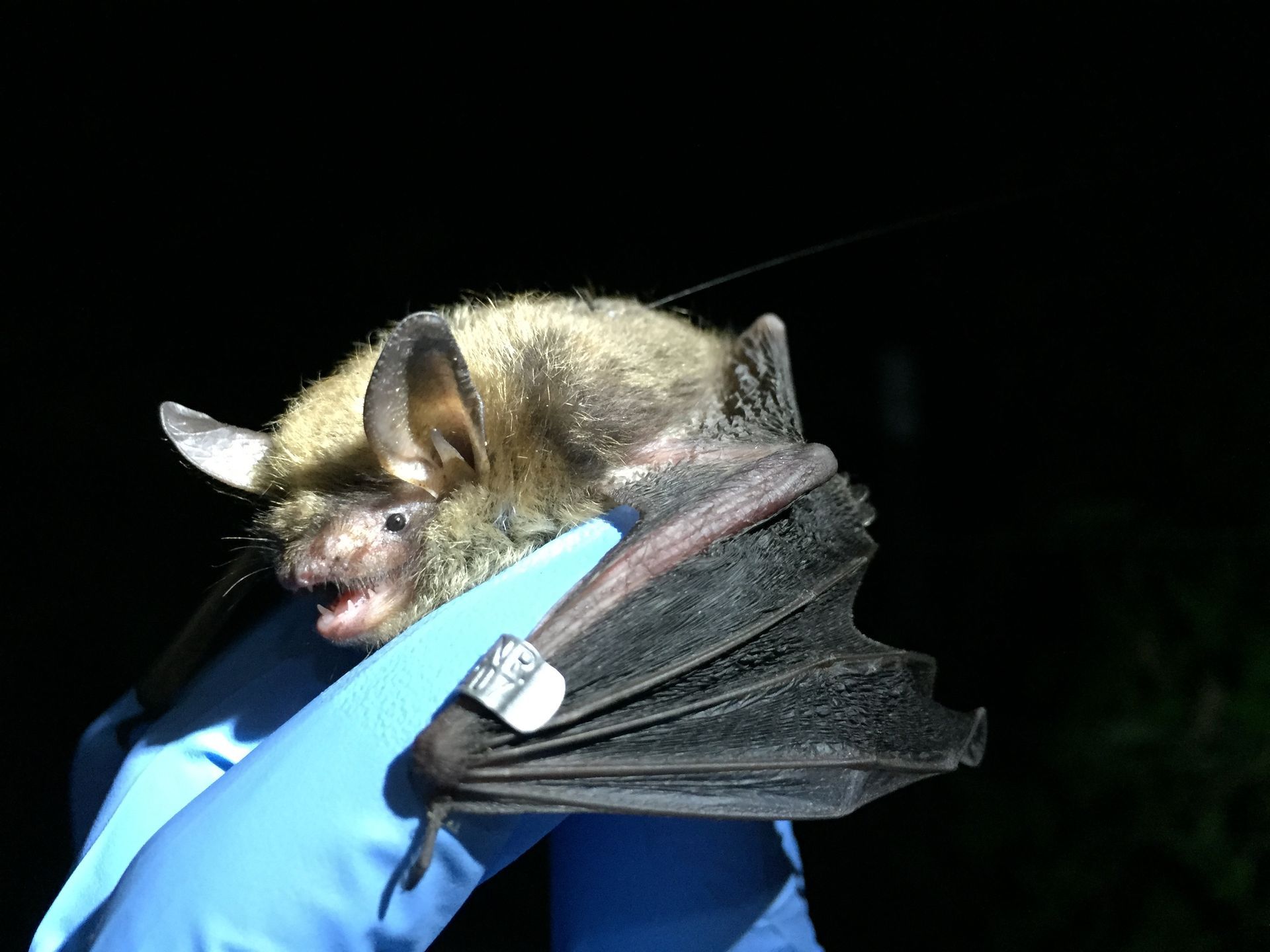
Northern long-eared bat (Myotis septentrionalis) — Reclassified from threatened to federally endangered in 2023. The northern long-eared bat is particularly sensitive to white-nose syndrome and has experienced dramatic population declines. It uses a wide variety of forested habitats and hibernates in caves and mines.
Tricolored bat (Perimyotis subflavus) — Currently proposed as federally endangered. White-nose syndrome has caused estimated population declines of more than 90% in affected colonies, making this one of the most severely impacted bat species in North America.
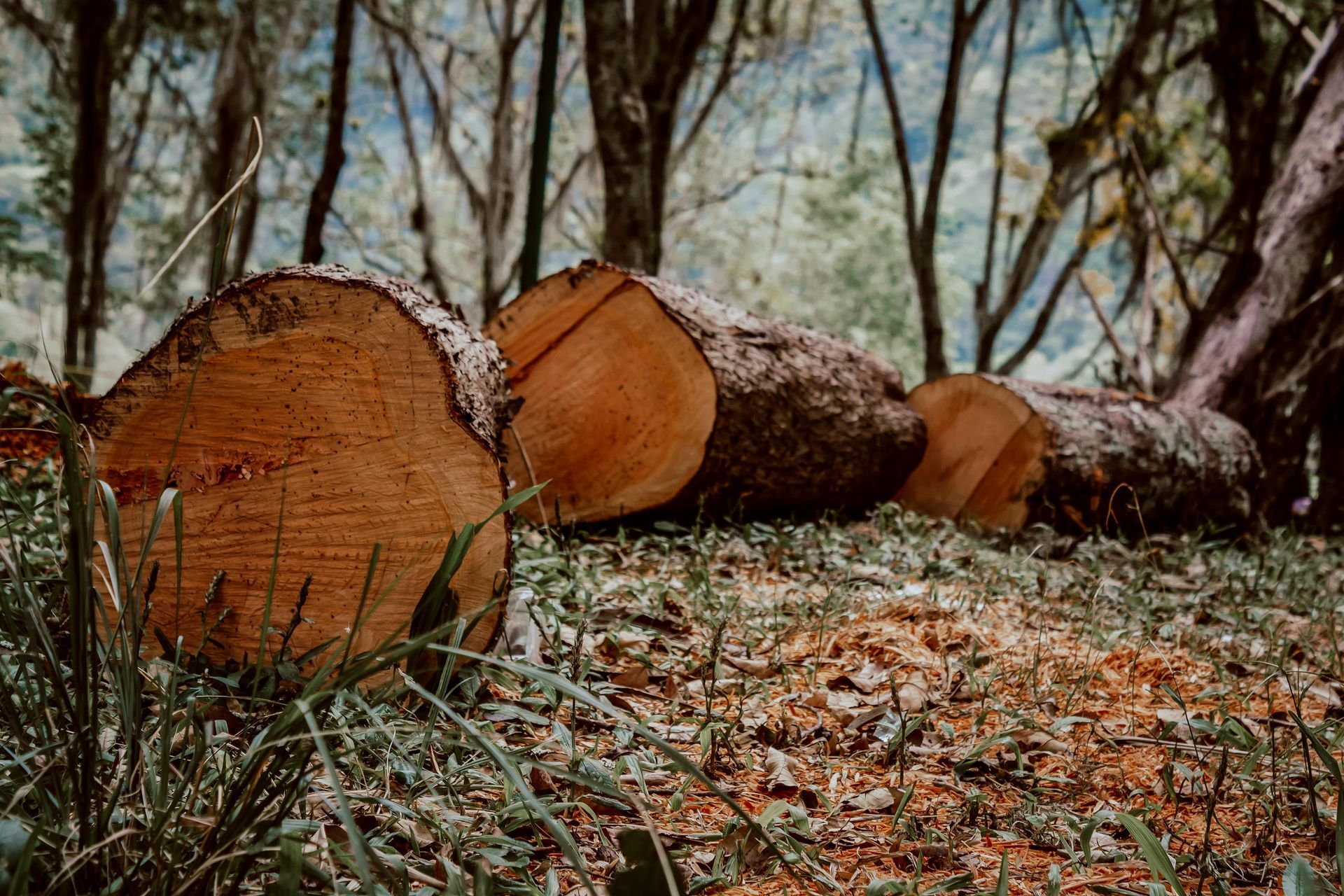
All three species — Indiana bat, northern long-eared bat, and tricolored bat — depend on forested habitats for roosting, raising young, foraging, and commuting. When a project proposes to clear trees, demolish structures, or disturb caves, mines, bridges, or culverts near suitable habitat, the potential for harm to these species triggers the bat survey process.
Who Needs a Bat Survey?
The short answer: if your project involves a federal nexus and could affect suitable bat habitat, you very likely need to address bats as part of your environmental review process.
A federal nexus means your project involves one or more of the following:
- Federal funding — FHWA, FRA, FTA, USDA, or any other federal agency money in the project budget
- Federal permits — Section 404 Clean Water Act permits from the Army Corps of Engineers, NEPA review, or any other federal authorization
- Federal land — work occurring on or adjacent to federal lands
- Federal agency involvement — DOD installations, National Forest lands, Bureau of Land Management areas
If any of these apply, your project is subject to Section 7 of the Endangered Species Act — the provision that requires federal agencies to consult with the U.S. Fish and Wildlife Service to ensure their actions don't jeopardize listed species. Bat surveys are often a key component of that consultation process.
Common project types that trigger bat survey requirements include:
- Highway expansion, bridge replacement, and road construction projects
- Transmission line and pipeline corridors through forested habitat
- Wind energy facility development
- Natural gas and oil infrastructure in forested regions
- Utility right-of-way clearing and vegetation management
- Residential and commercial development involving significant tree clearing
- Department of Defense installation management and construction
- Timber harvesting and forest management on federal lands
- Bridge and culvert rehabilitation or replacement
Even if your project doesn't have a direct federal nexus, state-level review processes in many eastern states may also trigger bat survey requirements. It's always worth confirming with your state's wildlife agency and your local USFWS Ecological Services Field Office early in the planning process.
What Triggers the Requirement — and What Are You Actually Being Asked to Do?
The bat survey requirement is triggered when your project has the potential to affect suitable habitat for Indiana bat, northern long-eared bat, and/or tricolored bat in the eastern United States. "Suitable habitat" generally means:
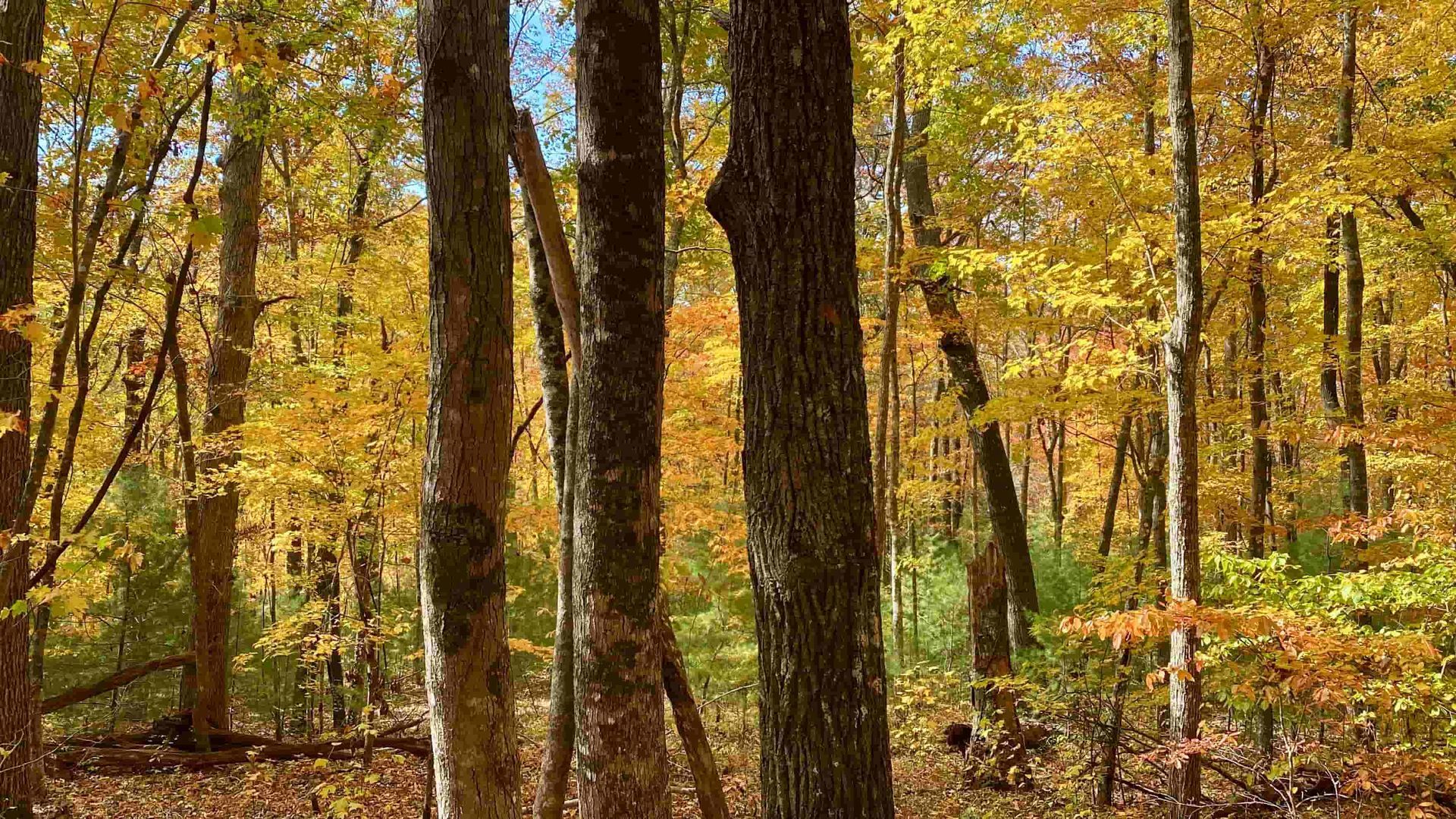
- Forested or wooded areas containing trees at least 3–5 inches in diameter at breast height with features like exfoliating bark, cavities, crevices, or hollows that could serve as roost sites
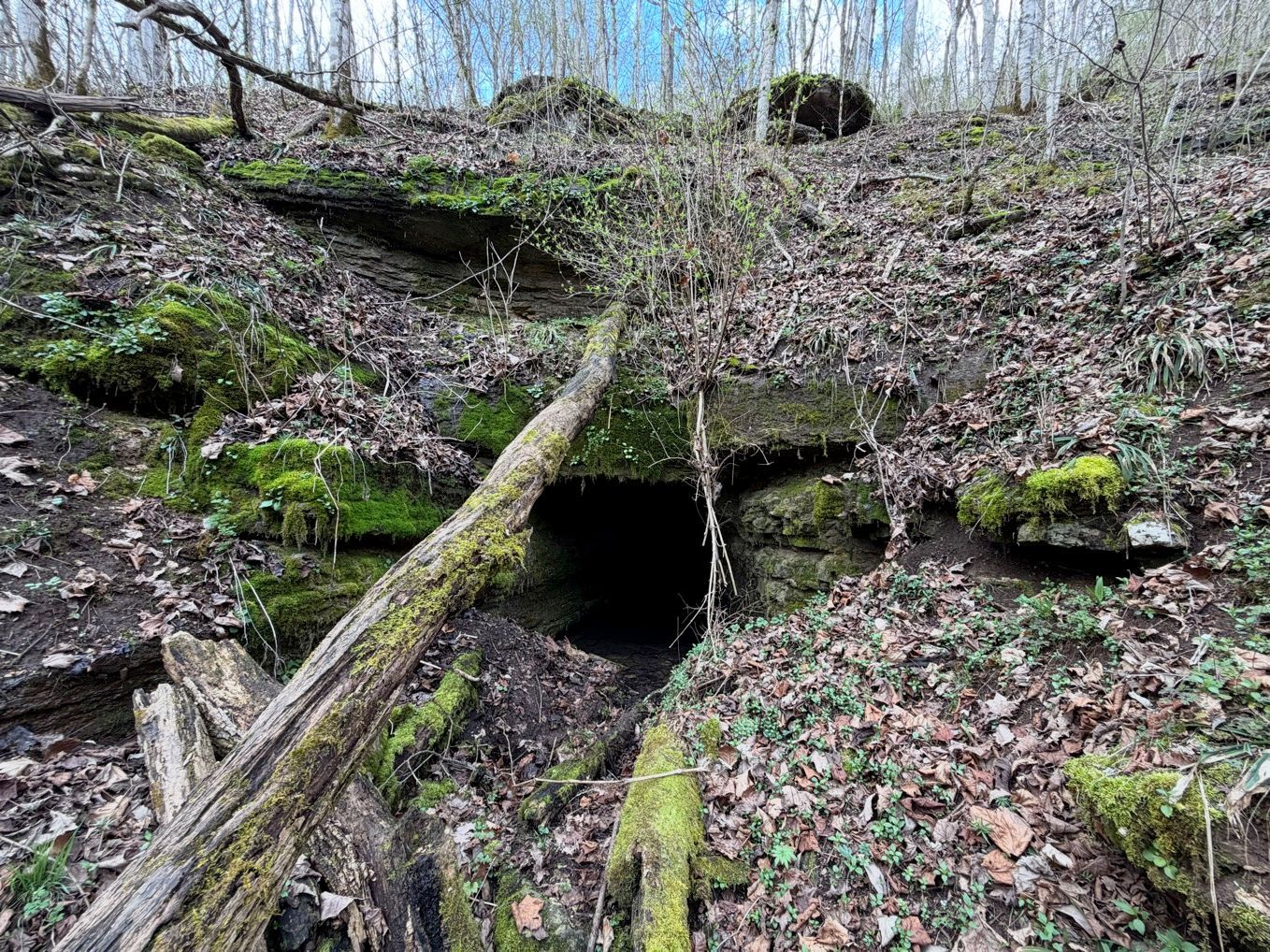
- Caves, mines, rock features, or tunnels that could serve as winter hibernacula
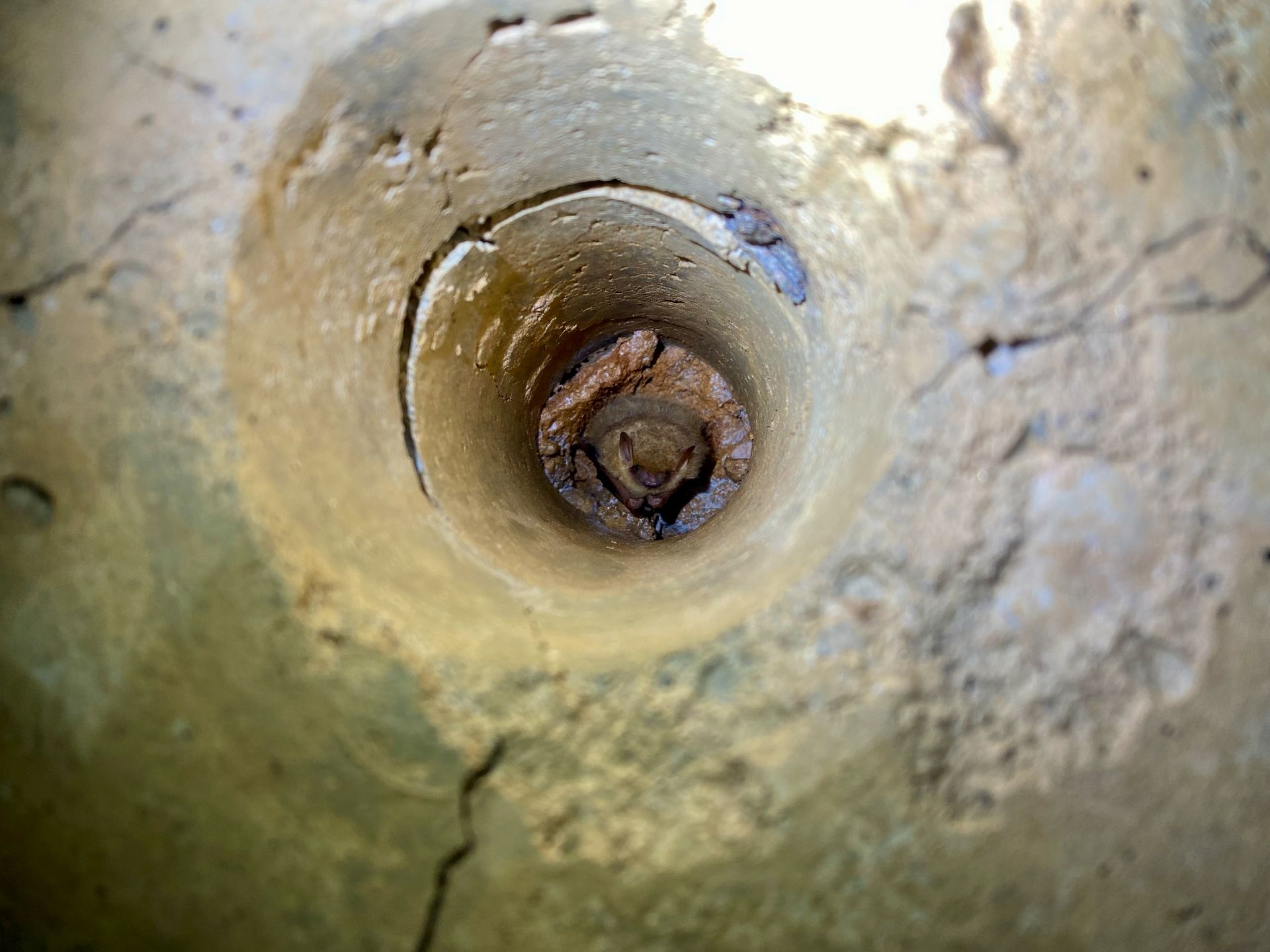
- Bridges and culverts that meet minimum size criteria for bat roosting
- Riparian corridors, woodland edges, and forest patches used for foraging and commuting
When USFWS determines that your project is within the range of one or more target species and involves suitable habitat, they will typically recommend — or require — that you complete a series of steps before project activities begin.
The general process works like this:
Step 1 — IPaC Review: Your consultant submits your project through the USFWS Information for Planning and Consultation (IPaC) website. IPaC generates an Official Species List identifying which listed species — including Indiana bat, northern long-eared bat, and/or tricolored bat — are potentially present in your project area. This step should happen as early as possible in your project planning.
Step 2 — Habitat Assessment: A qualified biologist visits your site - or conducts a desktop analysis - and evaluates whether suitable bat habitat is present within the project footprint. If no suitable habitat exists, no further surveys may be required. If suitable habitat is present, the assessment documents its type, quantity, and distribution — information that determines what surveys are needed and how much survey effort is required.
Step 3 — Study Plan Development: Your biologist develops a survey study plan describing the proposed survey methods, locations, personnel qualifications, schedule, and expected outcomes. This plan is submitted to the appropriate USFWS Field Office for review and approval before any fieldwork begins. This step takes time — plan for at least 15 business days for standard projects, and 45–60 days for energy projects or complex multi-state projects.
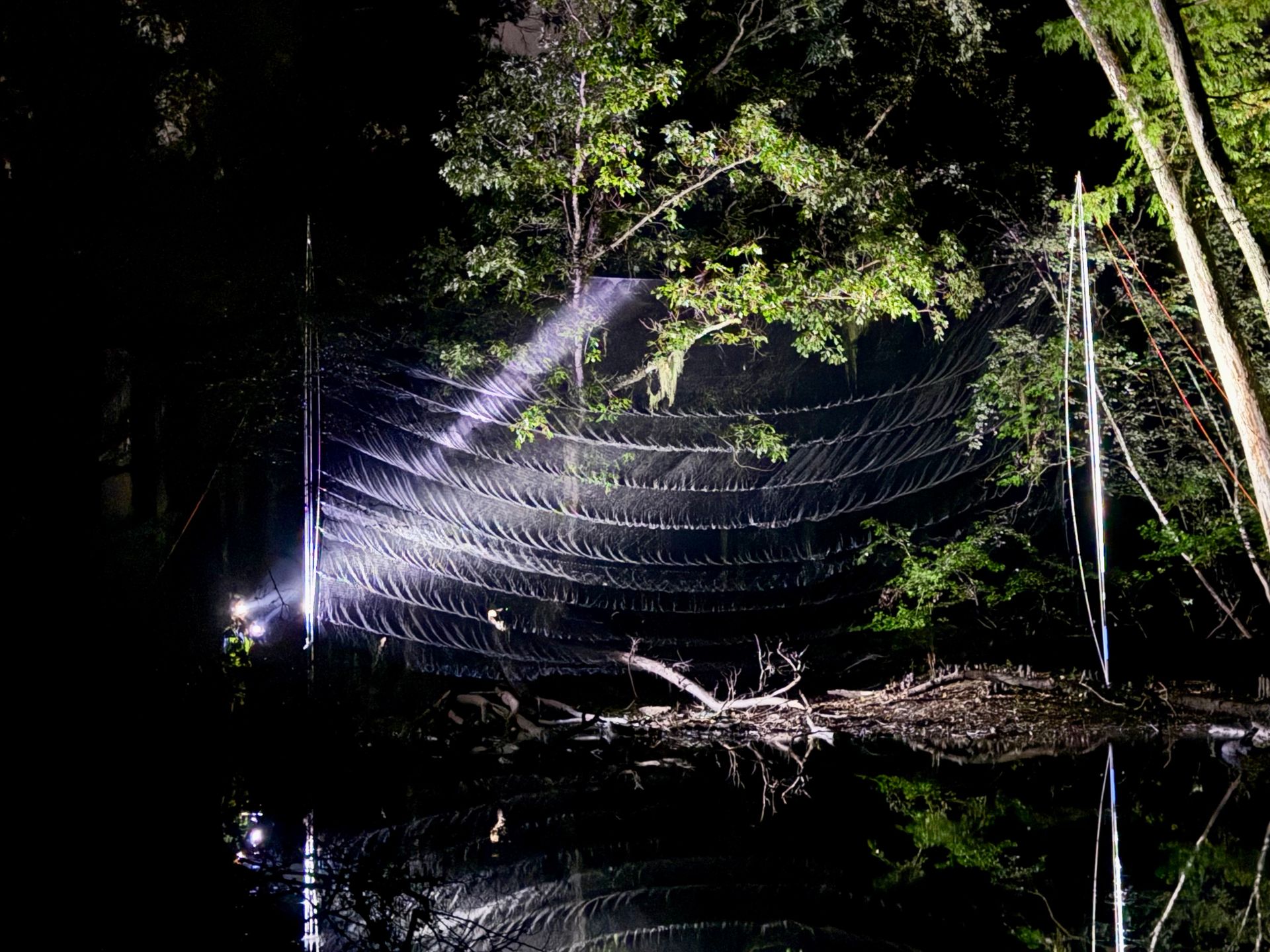
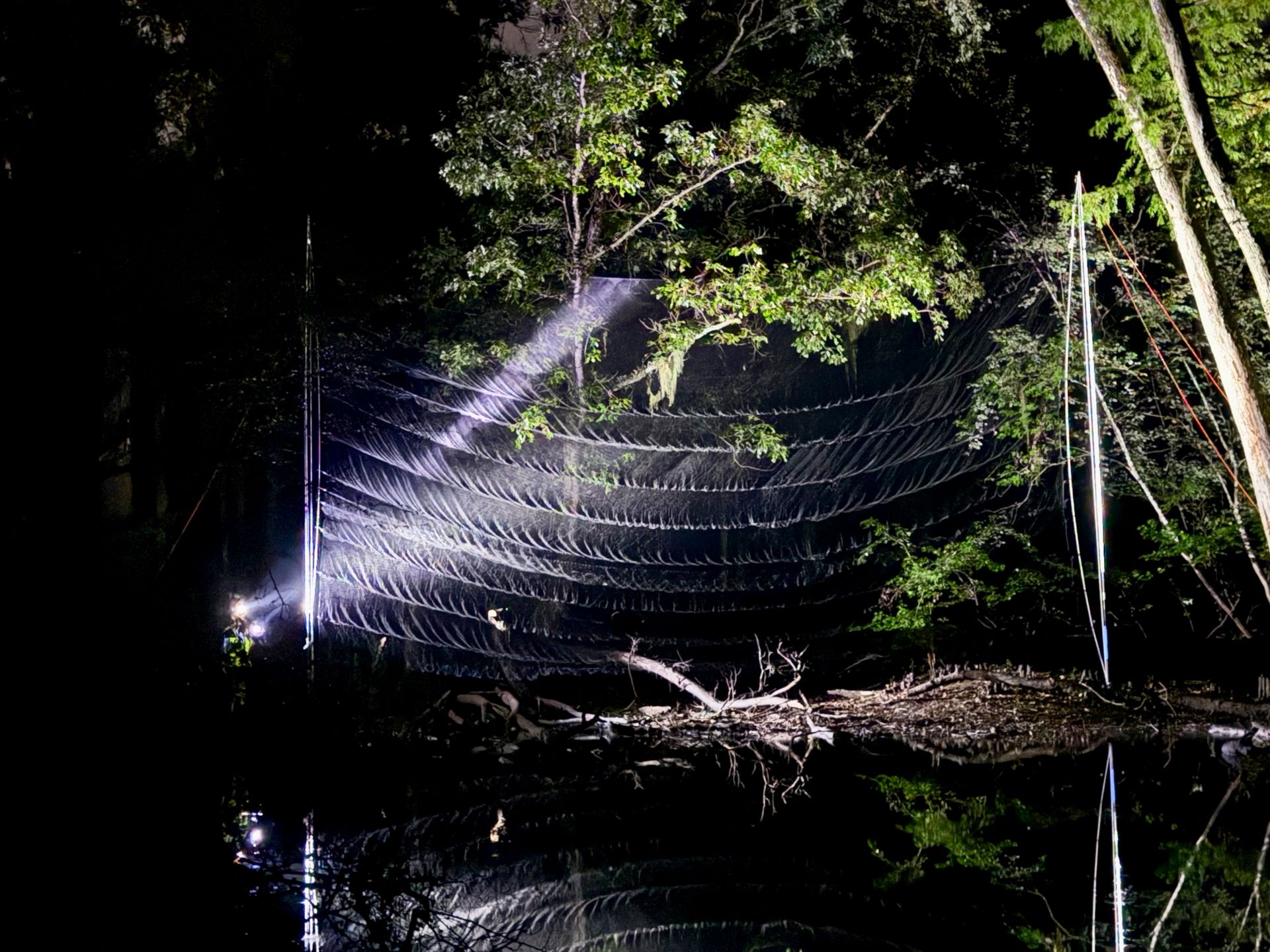
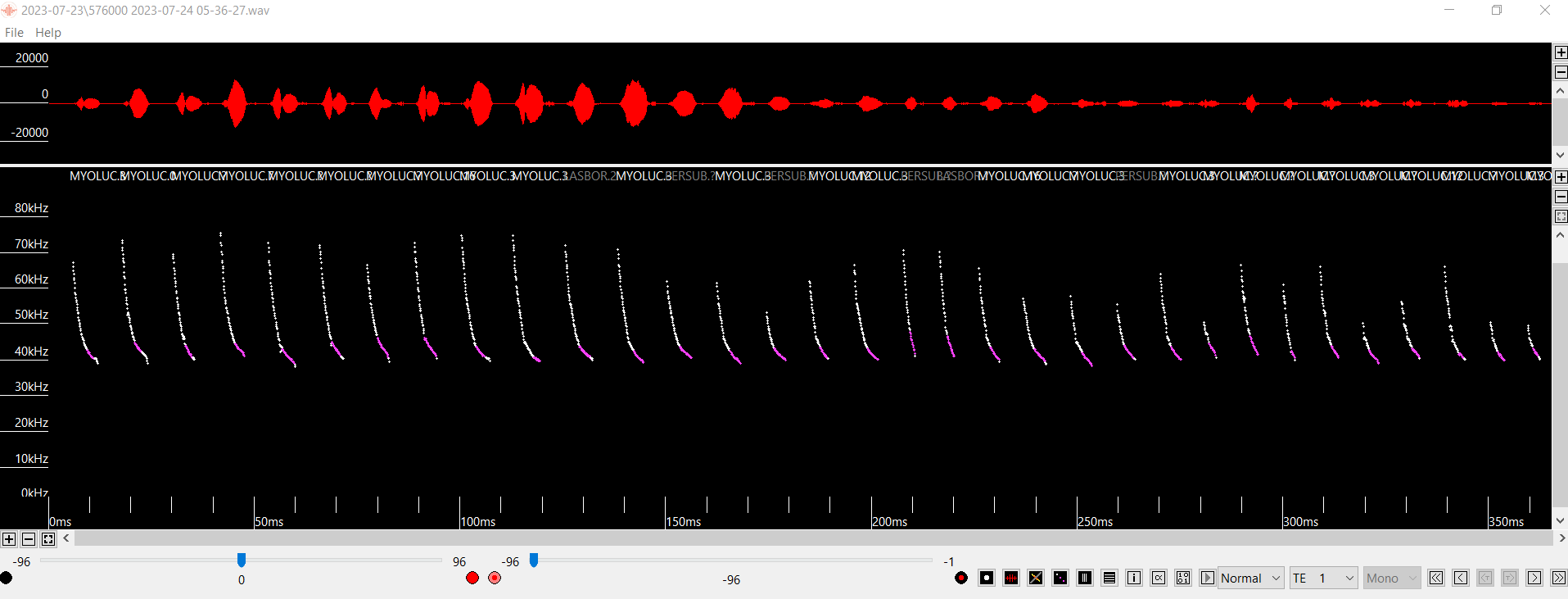
Step 4 — Conduct Surveys: Approved surveys are conducted during the appropriate survey window by qualified, federally permitted biologists. Survey types may include mist-netting, acoustic monitoring, or a combination of both. Hibernaculum surveys and bridge and culvert assessments may also be required depending on your project.
Step 5 — Report Results: Survey results — whether positive or negative — are submitted to the USFWS Field Office. Results inform whether Section 7 consultation is needed, what conservation measures apply, and whether your project can proceed as planned.
When Do Surveys Have to Happen? Survey Windows Explained
This is where a lot of first-time clients get caught off guard: bat surveys can only be conducted during specific windows of the year, and missing those windows means waiting until the following season. For projects with tight schedules, this can be a significant delay if survey planning doesn't start early enough.
Here are the key survey windows established by the USFWS Range-wide Indiana Bat and Northern Long-Eared Bat Survey Guidelines:
Summer Active Season Surveys (mist-netting and acoustic monitoring)
- Survey window: May 15 – August 15 in the hibernating range (which covers most of the eastern United States)
- Survey window: March 1 – October 15 in the year-round active range for northern long-eared bat and tricolored bat
- These surveys are the most common requirement and are what most clients mean when they say "bat survey." They document whether listed bat species are using suitable forested habitat within or near your project area.
Hibernaculum Surveys (caves, mines, underground features)
- Winter internal surveys: January 1 – February 28 (traditional window: January 15 – February 15)
- Fall emergence surveys: September 15 – October 31
- Spring emergence surveys: April 1 – April 21
- These surveys are required when your project may affect caves, mines, or other underground features that could serve as winter bat roost sites.
Bridge & Culvert Surveys
- Timing varies by project and should be coordinated with your local USFWS Field Office — surveys may be timed to the active season, the winter period, or both depending on the nature of the proposed impact.
The practical implication: If your project involves tree clearing and you're reading this in the spring, you need to act immediately. Study plan approval alone takes at least 15 business days, and surveys must be completed before August 15. If you're reading this in the fall or winter, you have time to plan before the summer survey season — use it. Projects that get their habitat assessments and study plans submitted early are projects that stay on schedule.
Where Are Surveys Conducted?
Bat surveys are conducted within and around your specific project area — not at a distant location or in a representative habitat somewhere else. Survey locations are designed to detect bats that are actually using the habitat your project proposes to impact.
The USFWS Guidelines establish a level of effort (LOE) requirement based on the acreage of suitable habitat your project will affect. The more suitable habitat impacted, the more survey effort required. For standard projects, the LOE is calculated based on 123-acre survey units — for every 123 acres of suitable habitat (or fraction thereof), a minimum number of mist-net nights or acoustic detector nights must be completed.
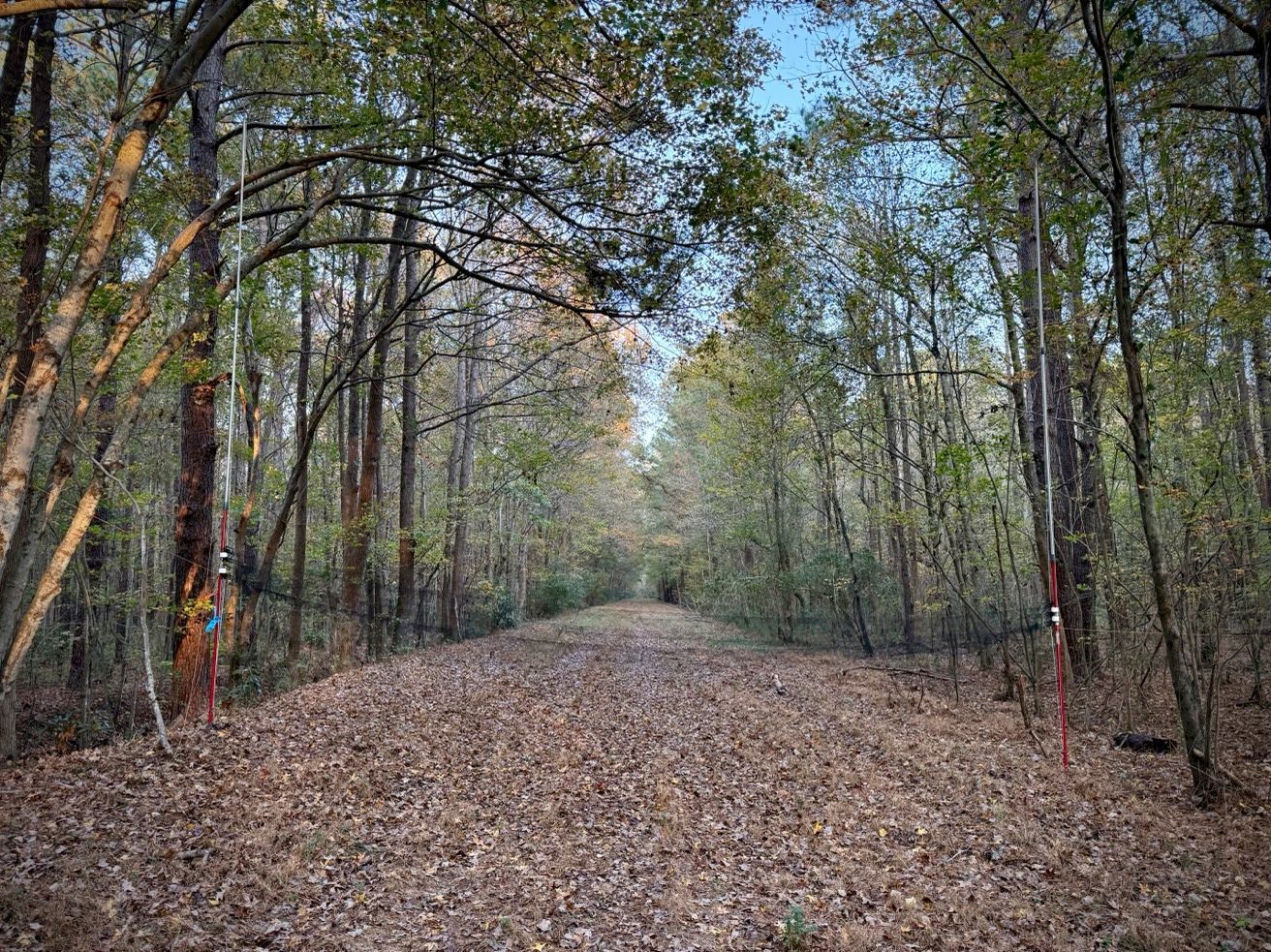
Survey locations must be within or immediately adjacent to your project footprint, placed in areas that give bats the best opportunity to be detected — forest edges, stream corridors, travel corridors, and water sources. All site locations must be documented with GPS coordinates and submitted as part of the survey study plan for USFWS approval.
Volant EcoServices serves clients across Ohio, Pennsylvania, Kentucky, West Virginia, Indiana, Virginia, and throughout the eastern United States — wherever your project is located, we can mobilize to your site.
What Happens If Bats Are Found?
If listed bat species are detected during surveys, it doesn't automatically mean your project is stopped. What it means is that USFWS must be notified within 48 hours and the consultation process moves to the next level.
For mist-net captures, our biologists immediately initiate radio telemetry to track the captured bat to its roost location. Roost data documents how the bat is using the project area and informs what conservation measures — tree clearing windows, buffer zones, avoidance measures — may be required.
For acoustic detections, the confirmed presence of a listed species triggers coordination with the USFWS Field Office to determine appropriate next steps, which may include additional survey effort, project design modifications, or formal Section 7 consultation.
Formal Section 7 consultation results in a Biological Opinion from USFWS that describes the anticipated effects of your project on listed bat species and establishes Reasonable and Prudent Measures — specific conditions your project must follow to minimize impacts and avoid unauthorized take. These conditions commonly include seasonal tree clearing restrictions, work windows tied to the bat activity calendar, and monitoring requirements during construction.
The key point is that most projects that find listed bats can still move forward — they just move forward with specific conservation measures in place. The goal of the process is not to stop your project but to ensure it proceeds in a way that avoids, minimizes, or mitigates impacts to species that are genuinely imperiled.
What If No Bats Are Found?
If surveys are completed following USFWS Guidelines and no listed bat species are detected, you receive a probable absence determination — a defensible, agency-accepted finding that the listed species are probably not present in your project area under current conditions.
A negative survey result is valid for five years from the year the survey was conducted. This means you have a five-year window to complete your project without re-surveying, provided habitat conditions don't change significantly. If your project timeline extends beyond five years, coordinate with your local USFWS Field Office to determine whether updated surveys are needed.
Why Does This Process Exist? The Bigger Picture
It's worth taking a moment to understand why this regulatory framework exists — not just as compliance obligation, but as a reflection of a genuine conservation crisis.
White-nose syndrome has killed an estimated 6–7 million bats across North America since it was first detected in the United States in 2006. The northern long-eared bat alone has declined by more than 99% at some hibernacula. The tricolored bat has experienced colony declines exceeding 90% across much of its range. These are not abstract numbers — they represent a collapse of bat populations that may take a century to recover.
Bats provide enormous ecological and economic services. They consume billions of insects annually — including agricultural pests — reducing the need for pesticides and providing an estimated $3.7 billion per year in value to North American agriculture. Their loss has cascading effects on the ecosystems they're part of.
The bat survey and ESA compliance process exists because without it, routine development and infrastructure projects — individually small, cumulatively significant — would incrementally eliminate the roosting habitat, hibernation sites, and foraging corridors that these struggling species depend on to survive and recover. The regulatory framework is the mechanism through which society has decided to balance economic development with the obligation to protect species that cannot protect themselves.
At Volant EcoServices, we take that obligation seriously — not as a regulatory checkbox but as the reason we do this work. When we conduct a bat survey, we're not just helping you get a permit. We're contributing to the scientific record of where these species live, what habitats they depend on, and what conditions allow them to persist. That data matters, and it accumulates across thousands of surveys into a picture of population trends that informs conservation for decades.
How to Get Started
If you have a project that may require bat surveys, the most important thing you can do right now is start early. The survey windows are fixed. Study plan approval takes time. Projects that run into bat survey delays are almost always projects where the process wasn't started soon enough.
Here's your immediate action checklist:
- Submit your project through IPaC at ipac.ecosphere.fws.gov to generate an Official Species List and determine which target species are in your project area
- Contact your local USFWS Ecological Services Field Office to discuss your project and get preliminary direction on whether surveys are recommended
- Engage a qualified bat survey firm — surveys for Indiana bat, northern long-eared bat, and tricolored bat must be conducted by biologists holding a valid USFWS Section 10(a)(1)(A) Recovery Permit for the applicable species
- Submit your habitat assessment and study plan as early as possible — ideally well before the survey season begins
Volant EcoServices is a woman-owned ecological consulting firm based in Kent, Ohio. Our lead biologists hold a USFWS Recovery Permit for Indiana bat, northern long-eared bat, and gray bat, and our team is qualified to conduct the full range of bat surveys described in this guide — mist-netting, acoustic monitoring, hibernaculum surveys, bridge and culvert assessments, radio telemetry, emergence surveys, and bat acoustic data vetting.
Have questions about whether your project needs a bat survey, or ready to get the process started? Contact Volant EcoServices to speak with a federally permitted bat biologist about your project's survey needs across Ohio, Pennsylvania, Kentucky, West Virginia, Indiana, and the eastern United States. You can also reach us directly at (330) 541-5201 or info@volant.llc.