Skipping the Bat Survey: What ESA Liability Really Means for Developers
Tree clearing is one of the most common triggers for ESA liability on development projects in the eastern United States — and bats are at the center of it. Federally listed bat species with ranges covering most of the eastern half of the country have made bat surveys a standard part of the pre-construction compliance process for land developers, transportation agencies, utilities, and anyone else whose project involves removing trees or disturbing forest habitat.
What happens when that step gets skipped — whether intentionally or because no one flagged it early enough? The answer involves federal statute, stop work orders, financial penalties, and in some cases, consequences that can follow a project well past the point when the trees are already down.
This article explains the legal framework, the real project risks, and the pathway forward for projects in any stage of planning. It is written as general educational information and does not constitute legal advice. Readers with specific legal questions about their projects should consult a qualified environmental attorney.
The legal foundation: ESA Section 9
The Endangered Species Act of 1973 is the controlling federal statute. Section 9 of the ESA makes it unlawful for any person subject to the jurisdiction of the United States to take any endangered fish or wildlife species within the United States. The word "person" here is broad by design — it includes private citizens, corporations, state governments, and local government agencies. If you are a developer, contractor, utility operator, or transportation agency, you are a "person" under Section 9.
The ESA broadly defines "take" to include harass, harm, pursue, hunt, shoot, wound, kill, trap, capture, or collect. "Harm" extends beyond direct killing. Under USFWS regulations, harm includes significant habitat modification or degradation that actually kills or injures listed wildlife by significantly impairing essential behavioral patterns — including breeding, feeding, or sheltering. Tree clearing that destroys an occupied maternity roost during the summer roosting season is a textbook example of harm under this definition.
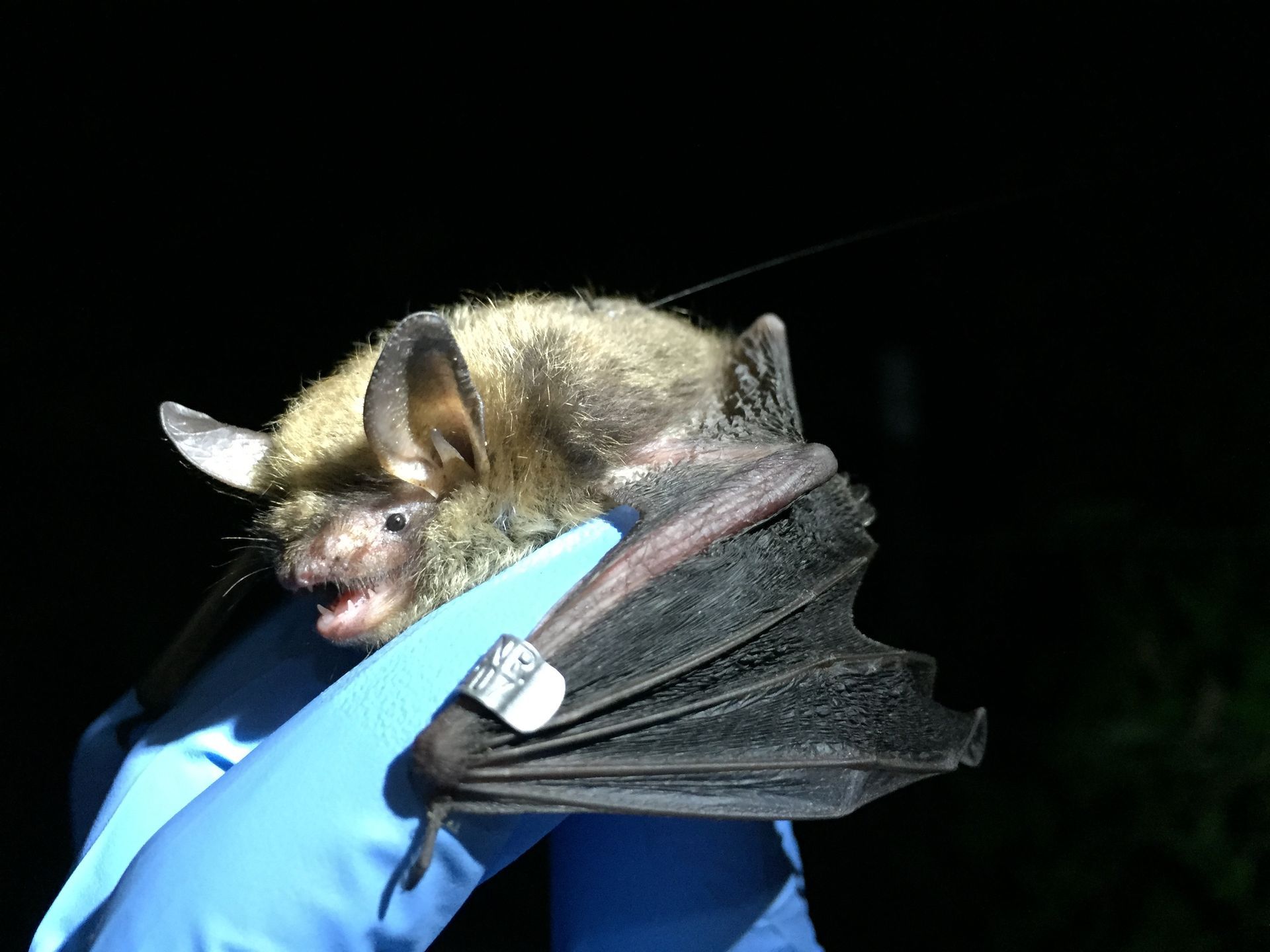
For the northern long-eared bat, all take occurring on or after March 31, 2023 is prohibited by Section 9 of the ESA, following that species' reclassification from threatened to endangered. The Indiana bat has carried full Section 9 protections since 1967. The tricolored bat, currently proposed for endangered listing, is moving toward the same framework.
Intent doesn't matter as much as you might think
This is the aspect of ESA liability that surprises project managers most. A developer doesn't need to know that a listed bat was roosting in the tree they cut down to face liability under Section 9. A knowing act only requires a general intent to commit the act impacting the species. A defendant need not know that the species is endangered or threatened, or intend to violate the ESA, to be held liable.
In other words: "I didn't know there were bats in those trees" is not a defense. The obligation to determine whether listed species are present — through IPaC screening, habitat assessment, and if necessary a bat survey — belongs to the project proponent. Skipping that process doesn't insulate you from liability; it removes the paper trail that would have demonstrated due diligence.
The penalties
ESA enforcement operates on two tracks — civil and criminal — and both can apply to a single violation.
Civil penalties
ESA Section 11(a)(1) authorizes the Secretary to assess a civil penalty of up to $25,000 for each knowing violation of the take prohibition (16 U.S.C. § 1540(a)(1)). The phrase "per violation" matters. If tree clearing destroys multiple roost trees, each instance of take may be counted separately. A project that clears 20 acres of occupied Indiana bat summer habitat without survey clearance is not facing a single violation — it is potentially facing dozens. The full text of Section 11 is available directly at fws.gov/laws/endangered-species-act/section-11.
Criminal penalties
ESA Section 11(b)(1) provides that any person who knowingly violates any provision of the Act shall, upon conviction, be fined not more than $50,000 or imprisoned for not more than one year, or both (16 U.S.C. § 1540(b)(1)). Criminal prosecution is reserved for knowing violations and is handled by the Department of Justice, but the threshold for "knowing" is lower than most people assume — it requires only that the person intended to commit the act, not that they knew the species was listed or intended to violate the law.
Additional consequences
Penalties and fines are not the only exposure. All equipment, vehicles, and other means of transportation used to aid in the taking are subject to forfeiture after a person is convicted of a criminal violation. The federal government may also seek restitution for ESA violations or impose conditions of probation.
The ESA also gives the public the right to bring a citizen suit to enforce the statute's provisions. Under Section 11(g), citizens may file a civil suit to enjoin any person or organization alleged to be in violation of the ESA. Environmental organizations have used this provision actively. A stop work order from a federal agency is disruptive; a citizen suit filed by a conservation group is another layer of exposure entirely — one that can extend litigation well beyond the original project timeline.
The stop work order scenario
Federal penalties are one risk. The more immediate, day-to-day risk for most developers is the stop work order. USFWS coordinates regularly with the U.S. Army Corps of Engineers, state permitting agencies, and other federal action agencies. Projects that require a federal nexus — a Section 404 wetland permit, federal funding, a federal right-of-way — are subject to Section 7 consultation, which requires the federal agency involved to ensure the action is not likely to jeopardize a listed species.
These activities include any project that must obtain federal permits (e.g., USACE 404 permits), receives federal funding, or any other projects conducted by private, state, tribal, and local parties that may result in impacts to bat habitat — including timber harvest or tree clearing activities as part of land development and infrastructure projects.
If a project proceeds with tree clearing without completing required ESA coordination and a bat survey, and a federal agency subsequently becomes aware of it, the likely outcome is a demand to halt work pending consultation. For a project mid-grading or mid-clearing, that stop can mean carrying costs on heavy equipment, contractor holding fees, missed construction season windows, and financing exposure — all before a single penalty is assessed.
A couple of methods exist to avoid a total construction shutdown during the restricted season. The first is fairly obvious: plan to have all required permits in place and all trees cleared prior to April 1. If such a timeline is not feasible, a property owner can conduct a bat survey during the season to determine whether bats are actually living on the property. The survey window closes August 15. Projects that miss it must wait until the following year.
The specific tree clearing risk
Tree removal is the most direct threat when it involves trees suitable for roosting. Clearing vegetation can include crushing bats, flushing bats, noise, and chemical contaminants that may kill, wound, harm, or harass bats if they are present during the work.
Time-of-year restrictions (TOYRs) exist precisely because listed bat species are most vulnerable during the summer roosting season when maternity colonies are present and young-of-the-year are not yet volant. For Indiana bat, if your project is within a county where the federally endangered Indiana bat is known to hibernate or roost, project proponents must coordinate with the USFWS prior to clearing trees during any time of year. For NLEB, projects with a "May Affect" preliminary determination will need to coordinate further with the USFWS to determine what conservation measures may be necessary — likely including a TOYR on tree clearing during the summer occupancy season.
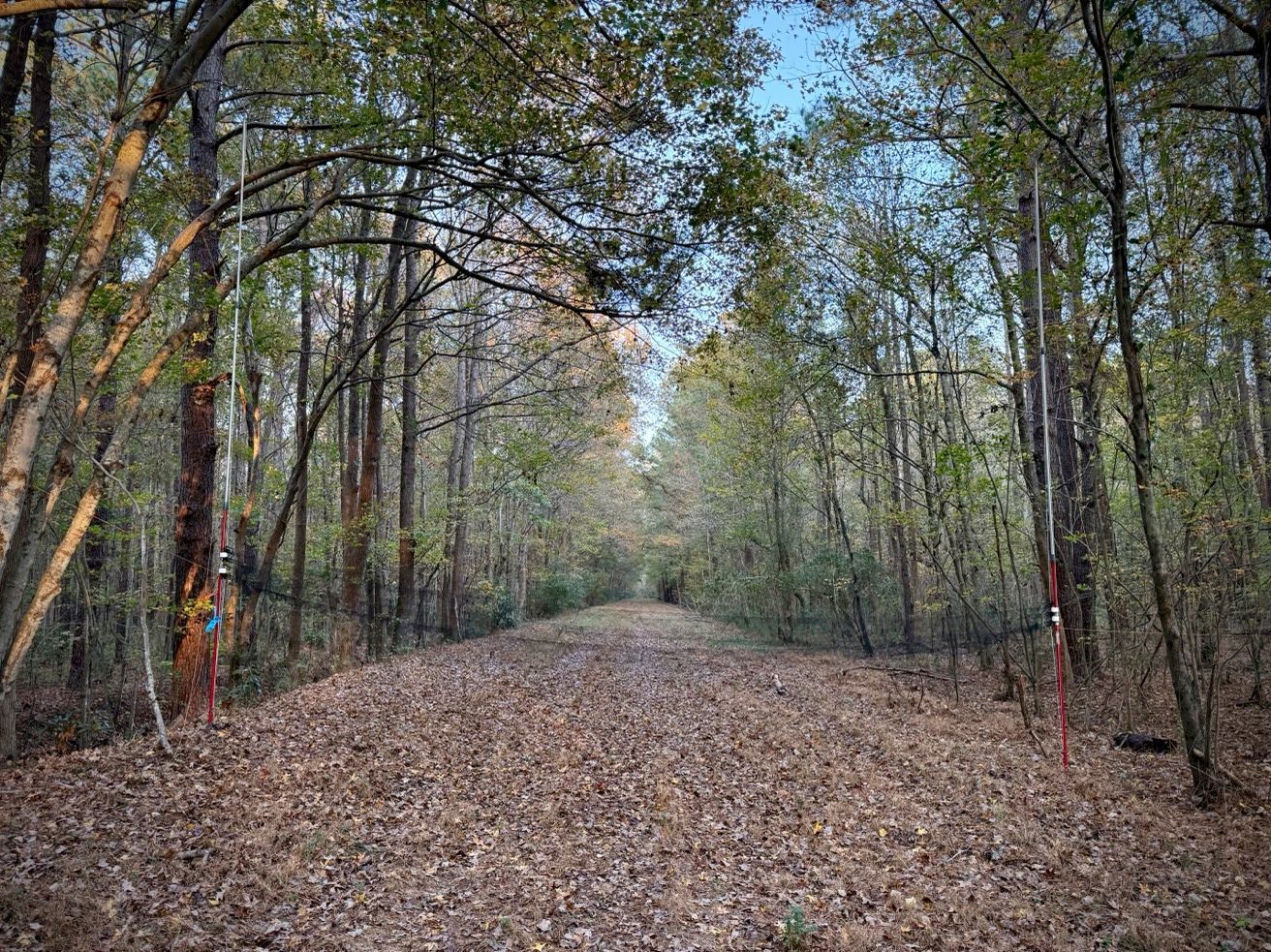
For most of the broader eastern U.S., the practical window for unrestricted tree clearing without bat survey clearance is limited to the winter inactive season. Tree clearing is generally not recommended between April 1 and September 30 each year due to the importance of forest habitats to listed bat species during the warmer months.
How to authorize incidental take the right way
The ESA does provide legal pathways for projects that will unavoidably impact listed bat species. Take itself is not impossible to authorize — but it must be authorized in advance, not retroactively.
For projects with a federal nexus, ESA Section 7 consultation with the USFWS is the standard pathway. The federal action agency consults with USFWS, a biological opinion is issued, and if incidental take is anticipated, an Incidental Take Statement provides authorization for a defined amount of take under specified terms and conditions. Compliance with those terms and conditions provides a legal shield against Section 9 liability for the authorized take.
For non-federal private projects where no federal nexus exists, ESA Section 10 Incidental Take Permits (ITPs) are available. An ITP requires the development of a Habitat Conservation Plan (HCP) demonstrating how the take will be minimized and mitigated. Once approved, the ITP authorizes a specific amount of incidental take and shields the permittee from penalties associated with a Section 9 violation, provided they comply fully with the terms of the approved HCP.
Both pathways require proactive coordination. Neither is available after the fact.
The practical path forward
The most common and cost-effective path for most development projects in the eastern U.S. is straightforward: run the project through IPaC, assess habitat, conduct a bat survey if one is warranted, and obtain a negative result that provides clearance for the project to proceed without ESA consultation. For projects with suitable habitat that yields negative P/A results, those results are valid for a minimum of five years from their completion, unless new information suggests otherwise. One season of survey investment protects the project — and future phases of the same property — for five years.
The bat survey is not the expensive part of an ESA compliance problem. The stop work order, the remediation, the missed survey window, the consultation process, and the legal exposure are the expensive parts. A survey conducted before ground disturbance begins resolves the question cleanly. A survey that never happened leaves the question open indefinitely.
What to verify before your project begins
Before breaking ground on any project involving tree clearing in the eastern United States:
- Run the project through USFWS IPaC to generate an Official Species List. If Indiana bat, northern long-eared bat, or tricolored bat appear, determine your proximity to known occurrences and whether the inner-tier (presence assumed) or outer-tier (survey eligible) rules apply.
- Commission a habitat assessment from a qualified biologist to evaluate tree quality, size, and roosting suitability within the project footprint.
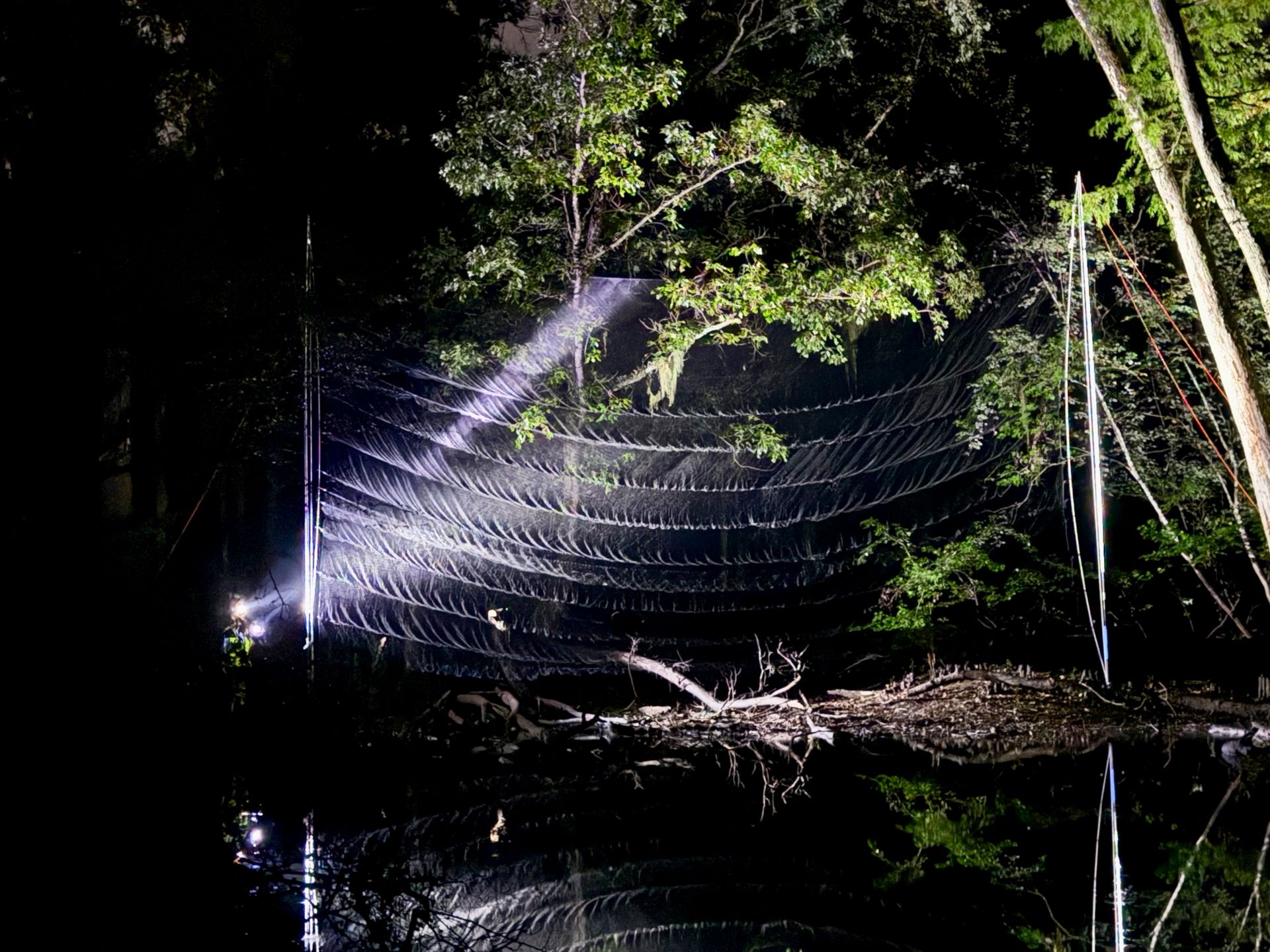
- If surveys are warranted, engage a permitted bat biologist early enough to submit a study plan and receive USFWS Field Office approval before the May 15 survey season opens (note: survey windows may vary by project location, and we suggest coordinating with the local USFWS FO) . Study plan approval can take up to 45–60 days for complex projects.
- Do not plan tree clearing in suitable bat habitat between April 1 and September 30 without either a negative survey result on file or prior USFWS coordination authorizing the clearing.
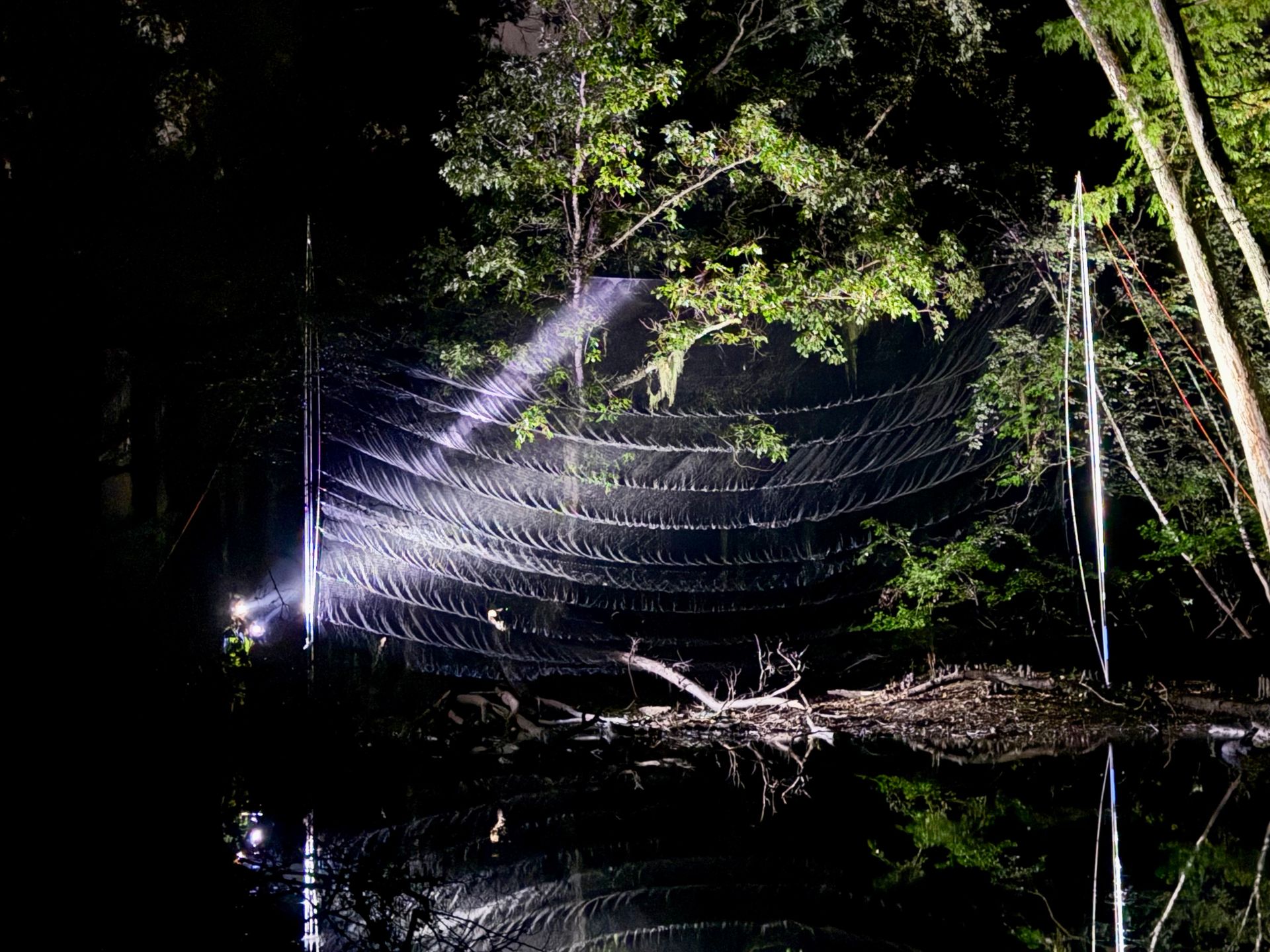
- Confirm that any biologist conducting mist-net capture surveys holds an active USFWS Section 10(a)(1)(A) Recovery Permit for the relevant species.
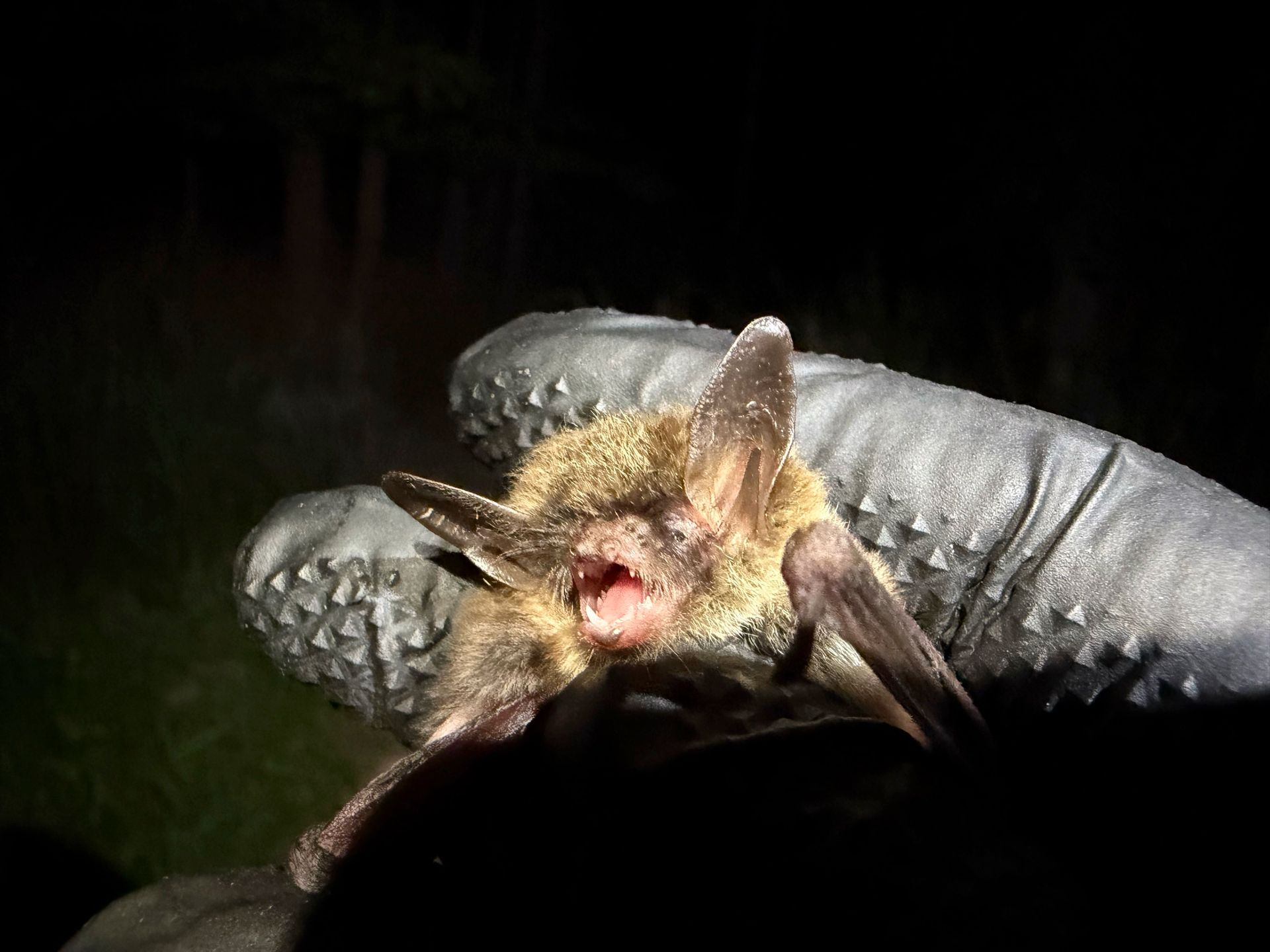
Volant EcoServices provides habitat assessments, acoustic presence/absence surveys, and mist-net surveys for Indiana bat, northern long-eared bat, gray bat, and tricolored bat across the eastern United States. Both co-founders, Mary Gilmore and Dan Cox, hold active USFWS Section 10(a)(1)(A) Recovery Permits for Indiana bat, northern long-eared bat, and gray bat — giving Volant the in-house capacity to take projects from initial IPaC screening through USFWS-approved field surveys and results reporting under one contract. Survey season opens May 15. Contact us to start planning your project.
This article is provided for general educational purposes and does not constitute legal advice. Developers and project proponents with specific questions about ESA compliance or liability exposure should consult a qualified environmental attorney.
Sources: Endangered Species Act of 1973, as amended (16 U.S.C. §§ 1531–1544). U.S. Fish & Wildlife Service Section 9 and Section 11 statutory text. U.S. Fish & Wildlife Service. 2026. Range-wide Indiana Bat and Northern Long-Eared Bat Survey Guidelines. USFWS Region 3, Bloomington, MN. Ohio DNR Division of Wildlife State Bat Survey Guidance.