How much does a bat survey cost?
If your project may require a bat survey, one of the first questions you're asking is also one of the hardest to find a straight answer to: what is this going to cost?
The honest answer is that there's no single price — and any firm that quotes you a flat rate before understanding your project is guessing. A bat survey isn't a fixed product; it's a scope of fieldwork whose size is largely dictated by federal and state regulations, the characteristics of your site, and the timing of your project. Two projects on neighboring parcels can carry very different survey costs.
That doesn't mean you're left in the dark. The factors that drive bat survey cost are well-defined, and once you understand them, you can budget realistically and avoid the two most expensive surprises in this process: an under-scoped survey that fails agency review, and a missed survey window that delays your project by a full year.
Here's what actually determines the cost of a bat survey.
Cost Driver #1: The Acreage of Suitable Habitat
The single biggest factor is how much suitable bat habitat your project may affect. Under the USFWS Range-wide survey guidelines, the required level of effort — the number of survey sites, net nights, or detector deployments — scales with the acreage of suitable habitat within your project area.
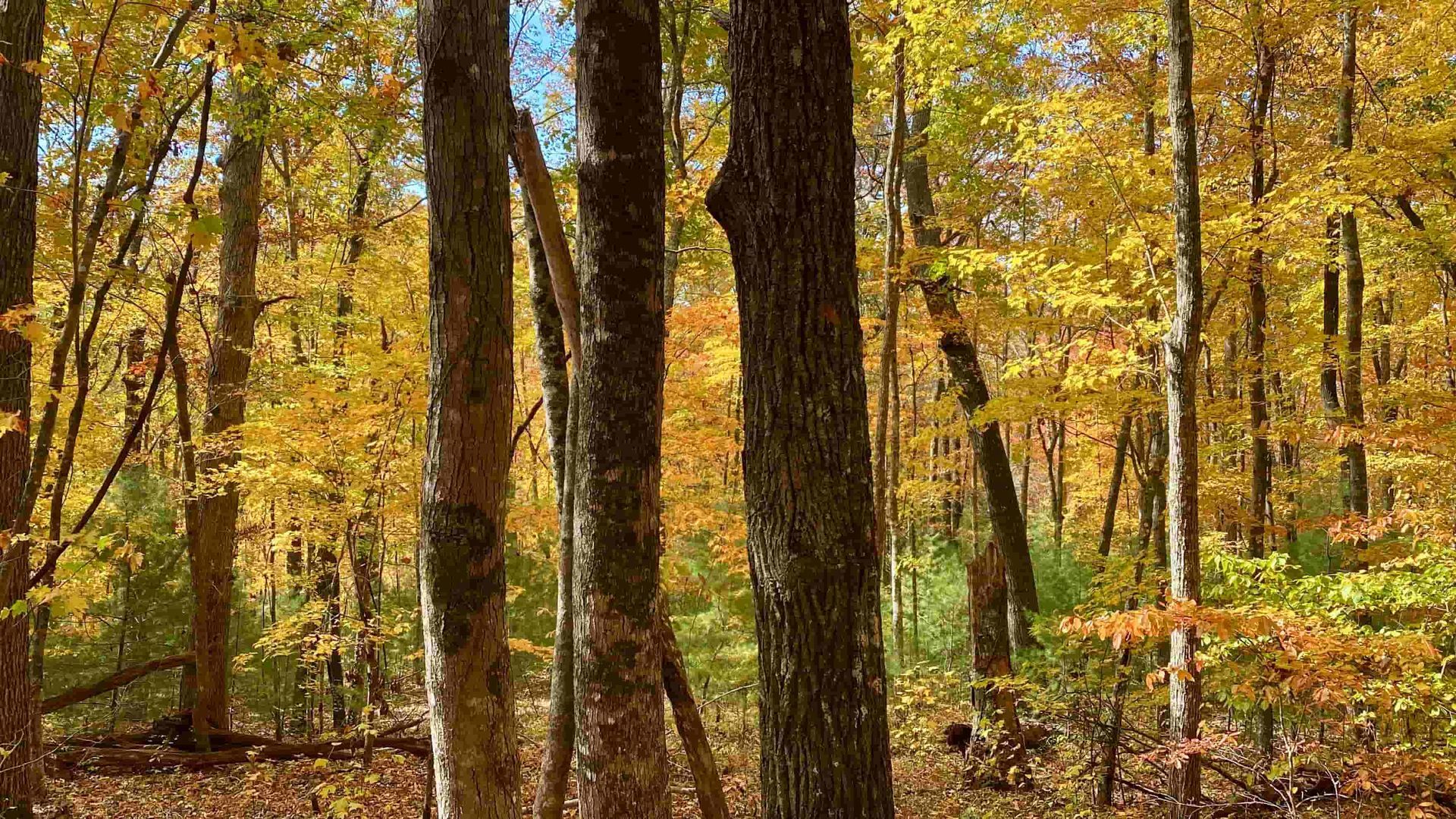
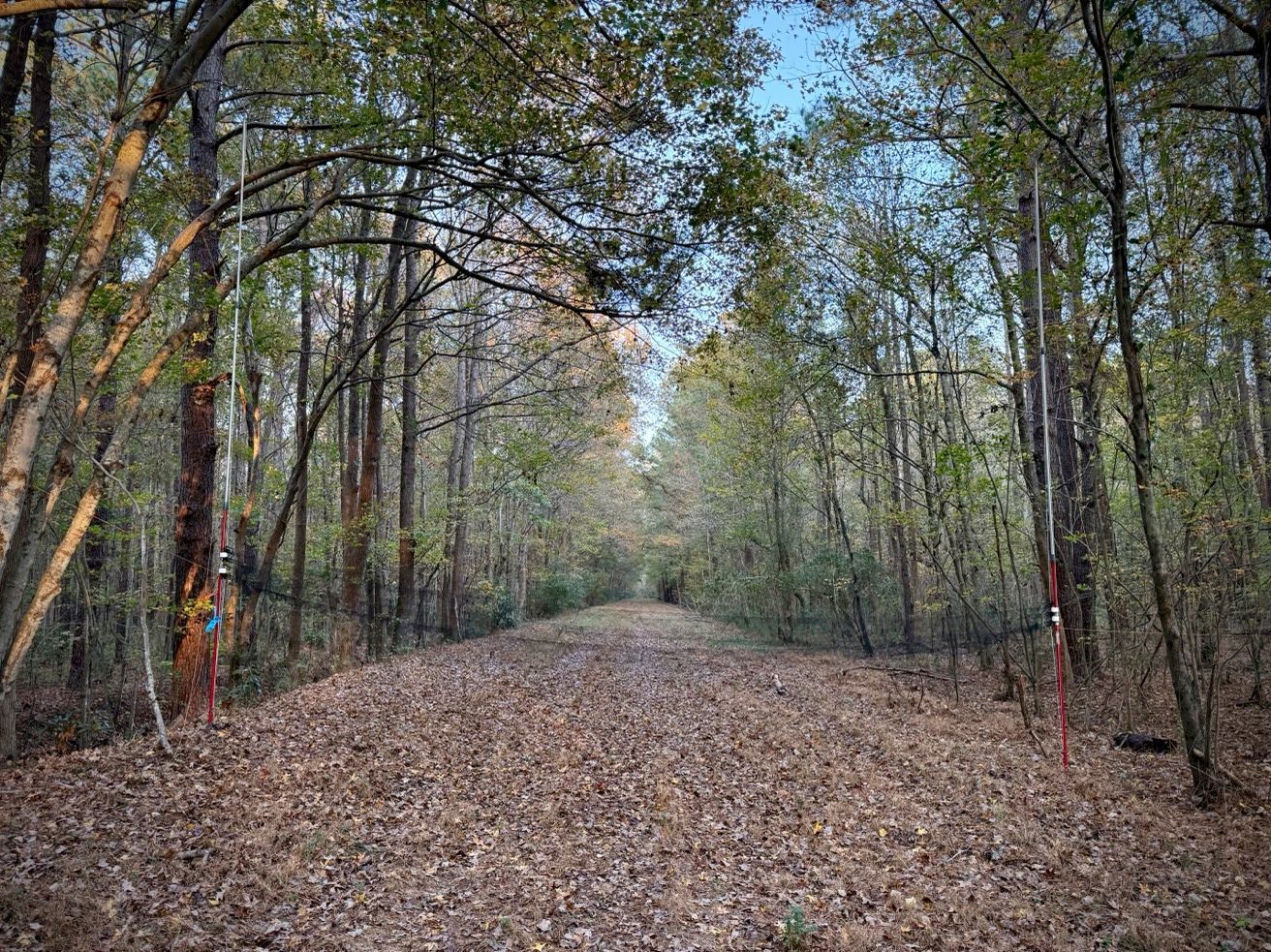
A small site with limited wooded habitat requires far less survey effort than a large, heavily forested project corridor. Linear projects like pipelines, transmission lines, and roadways are scoped differently again, because the survey has to cover suitable habitat along the entire length of the disturbance, not just a single site.
This is why the first question any qualified biologist asks isn't "what's your budget" — it's "how much suitable habitat are we dealing with." Reducing the acreage of impact, where your project design allows, is often the most direct way to reduce survey cost.
Cost Driver #2: Which Survey Methods Are Required
"Bat survey" is an umbrella term for several different methods, each with its own cost structure:
- Habitat assessment is the lowest-cost first step — a biologist evaluates whether suitable habitat is even present. In some cases, documenting the absence of suitable habitat can eliminate the need for any further survey, which is the cheapest outcome available to you.
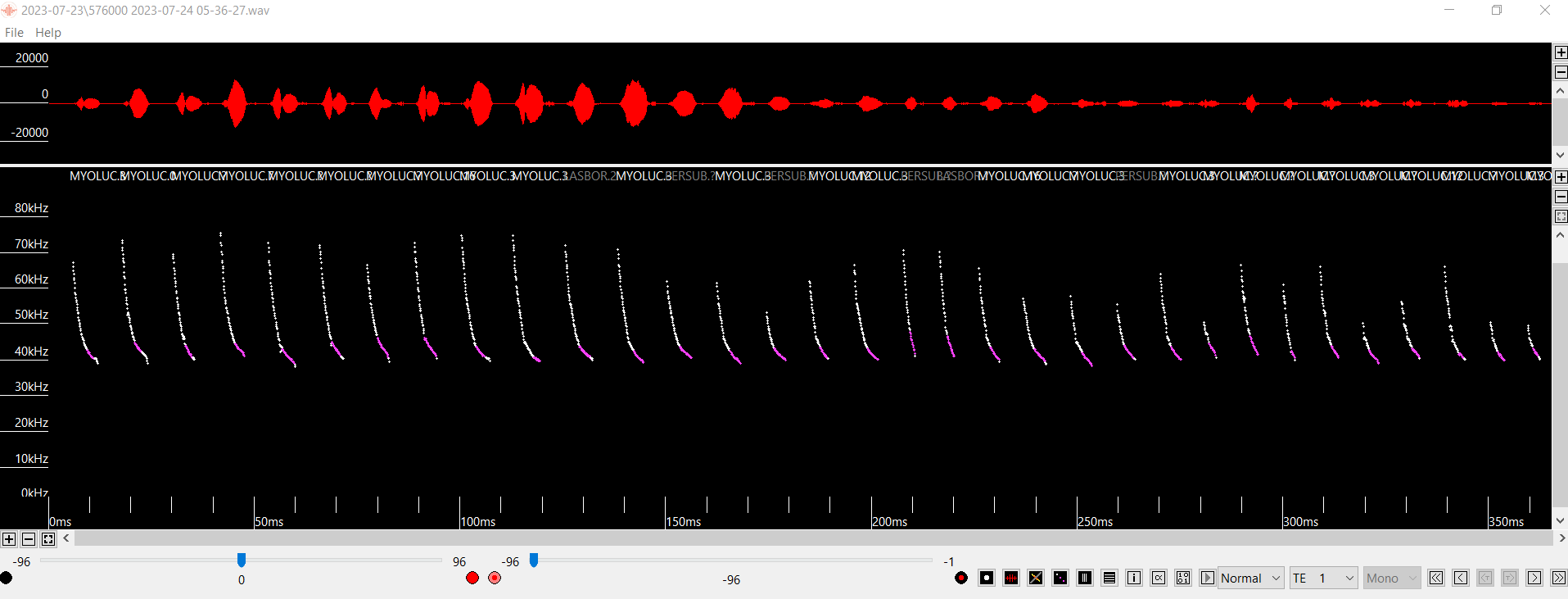
- Acoustic surveys deploy ultrasonic detectors to record bat calls. Equipment-based and relatively efficient to deploy, but the cost includes the critical, labor-intensive step of manual data vetting (more on that below).
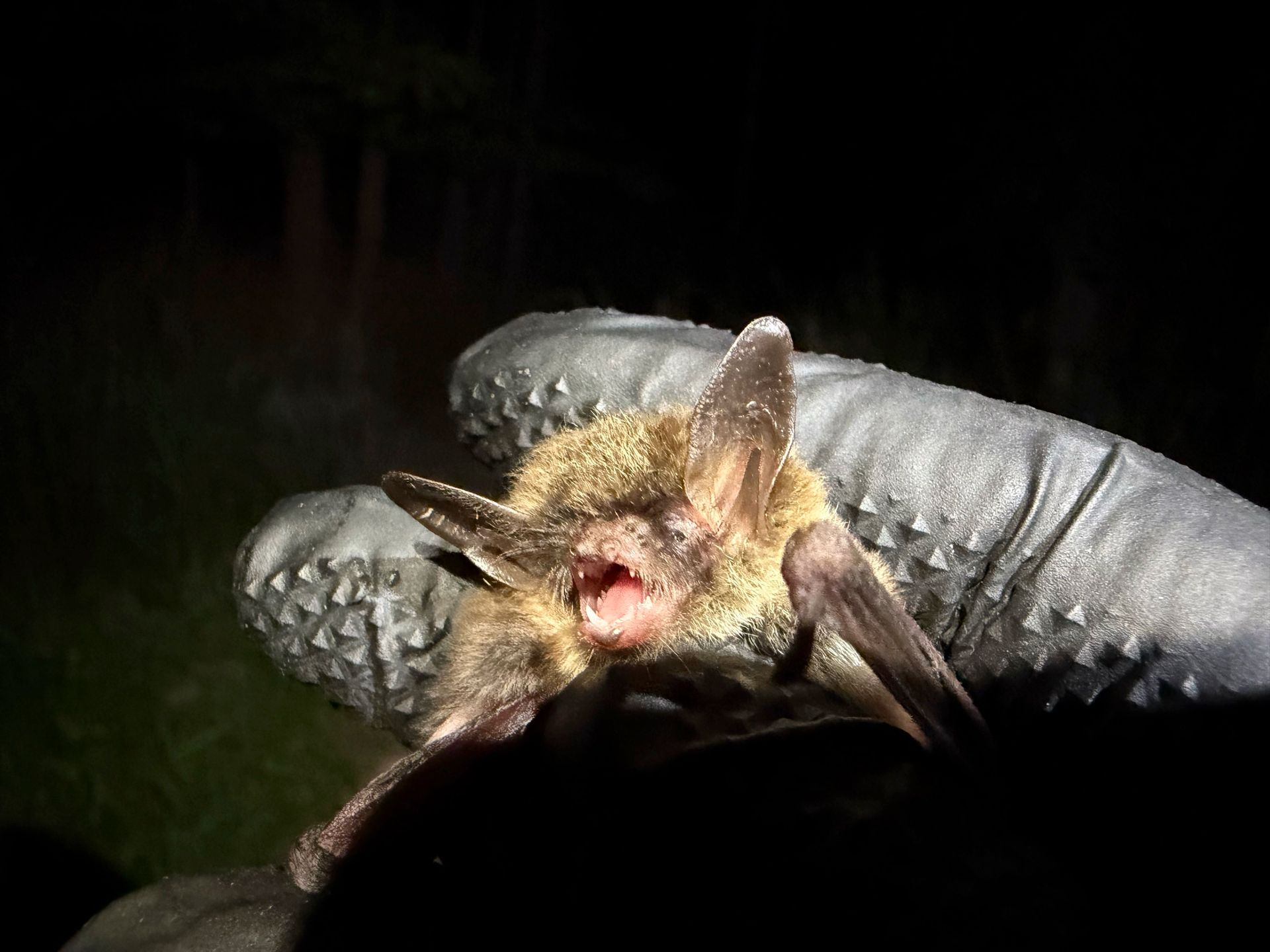
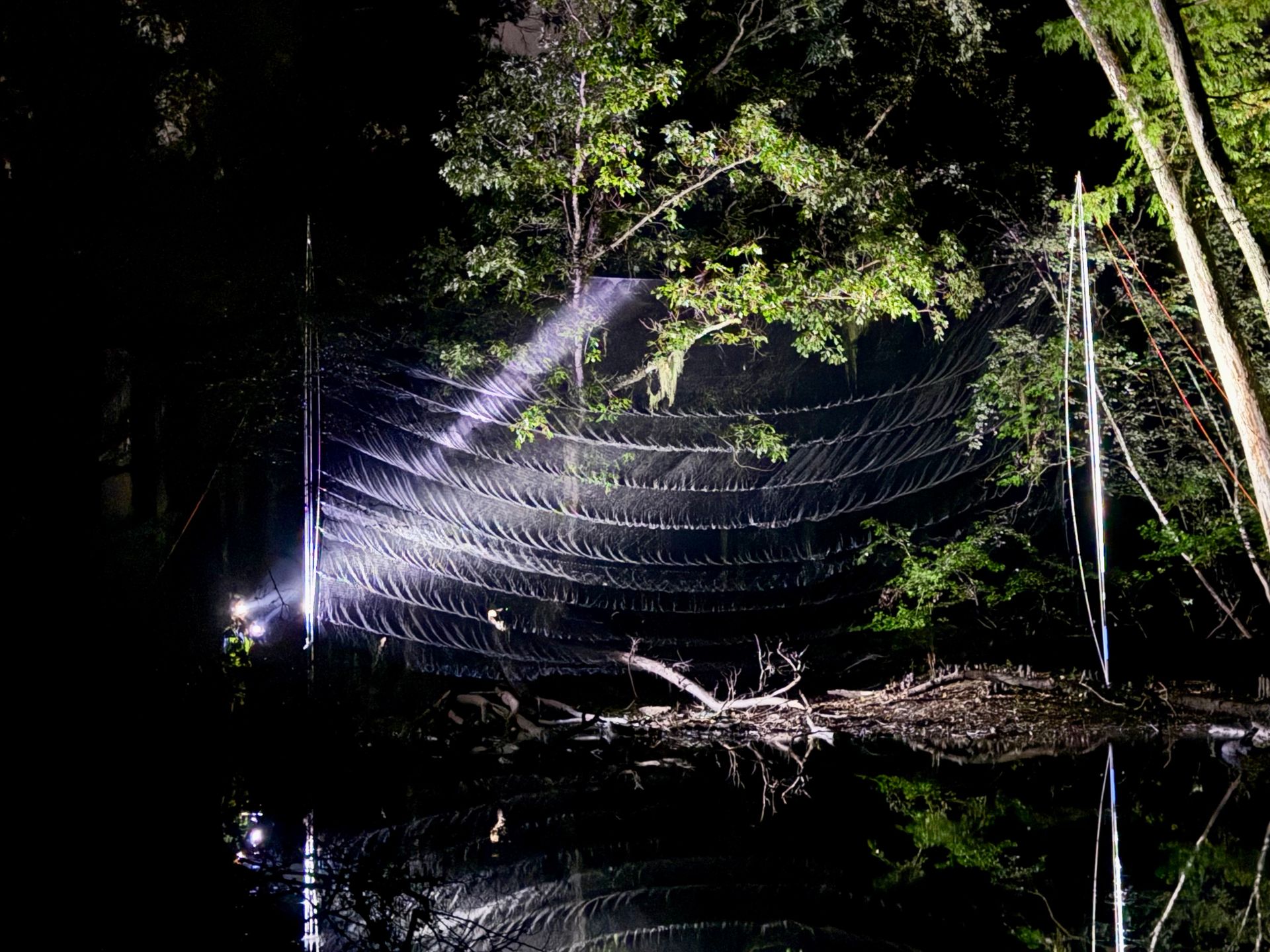
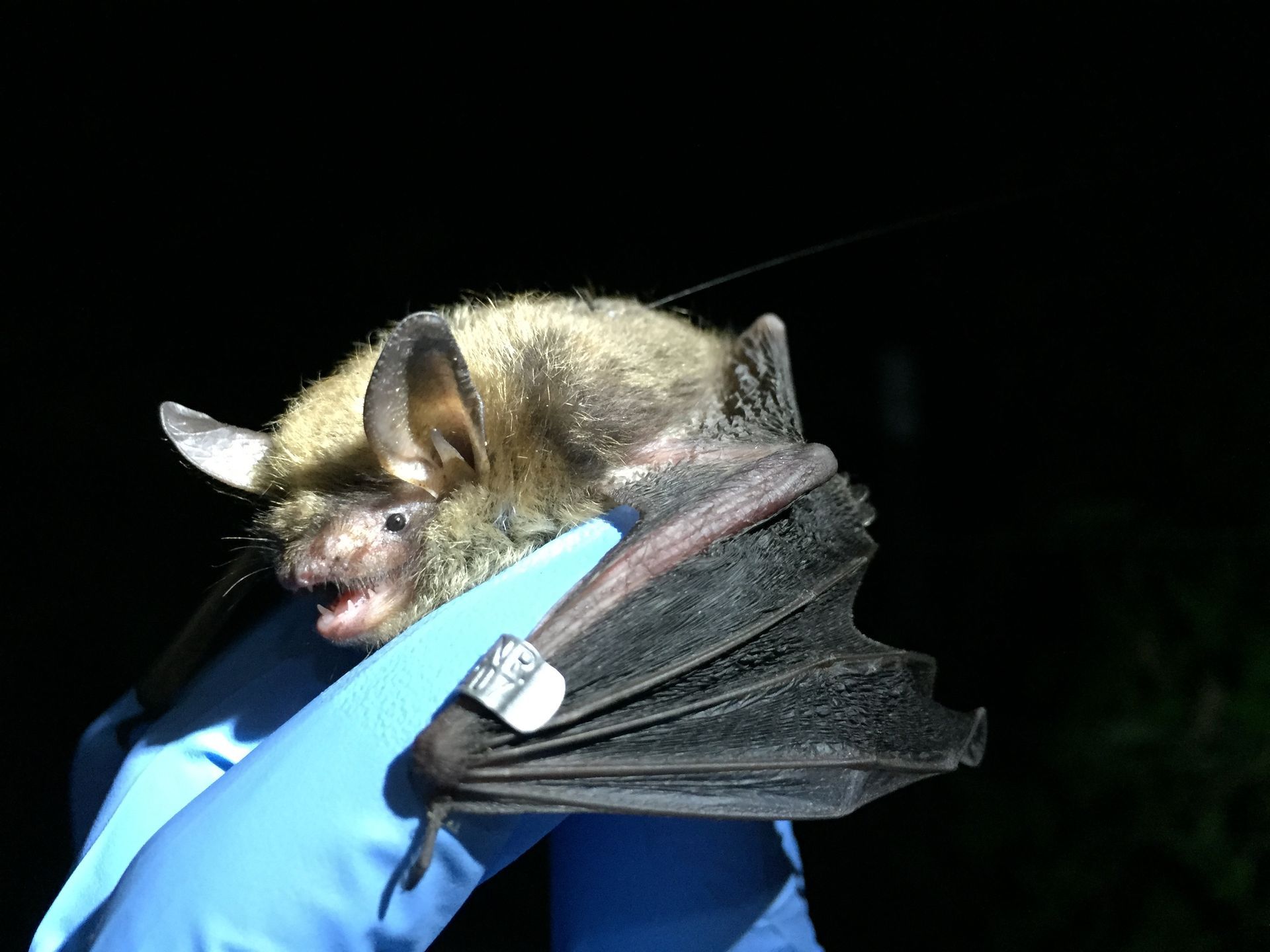
- Mist-net surveys require trained, federally permitted biologists in the field at night over multiple net nights, making them more labor-intensive than acoustics.
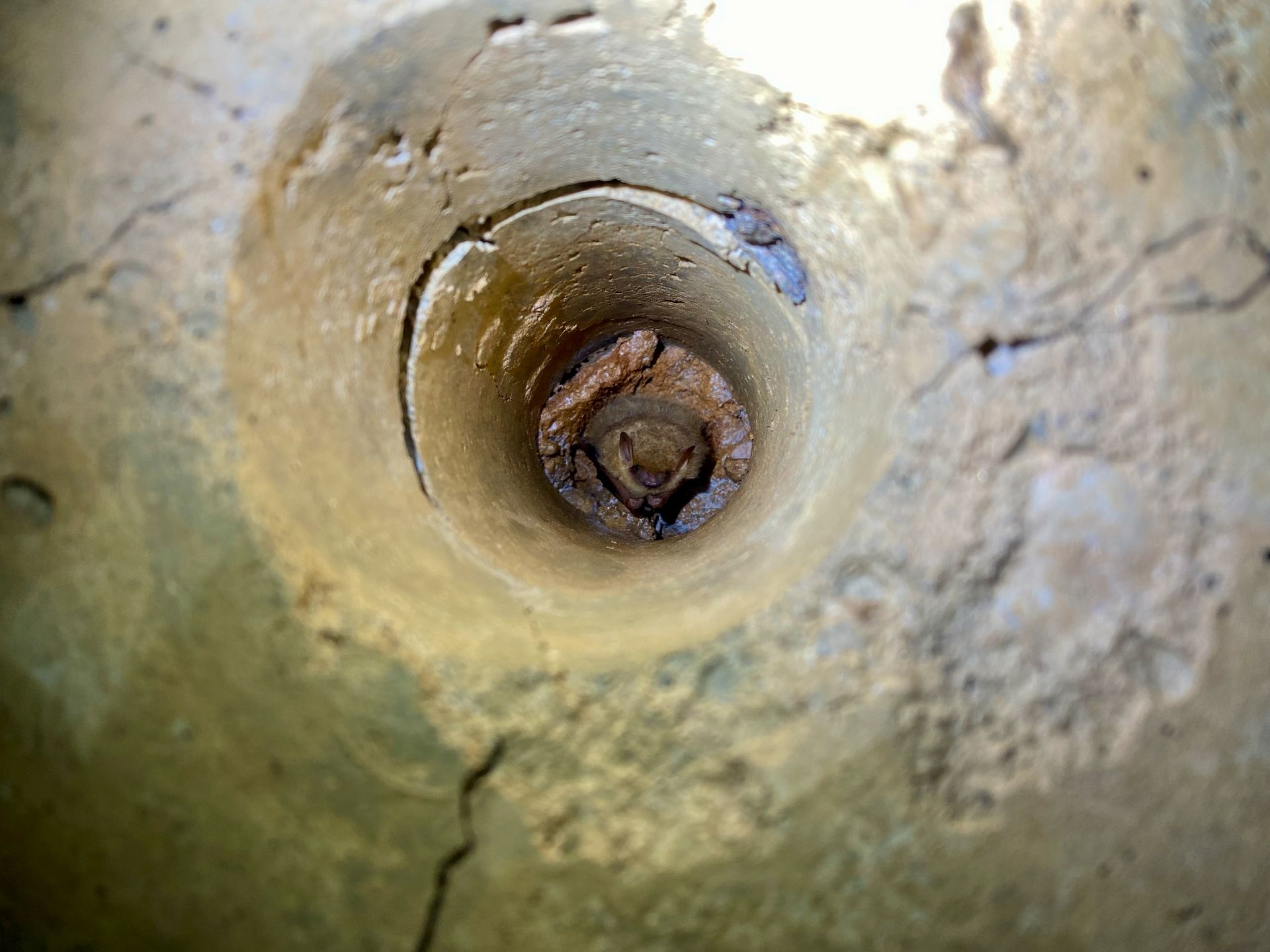
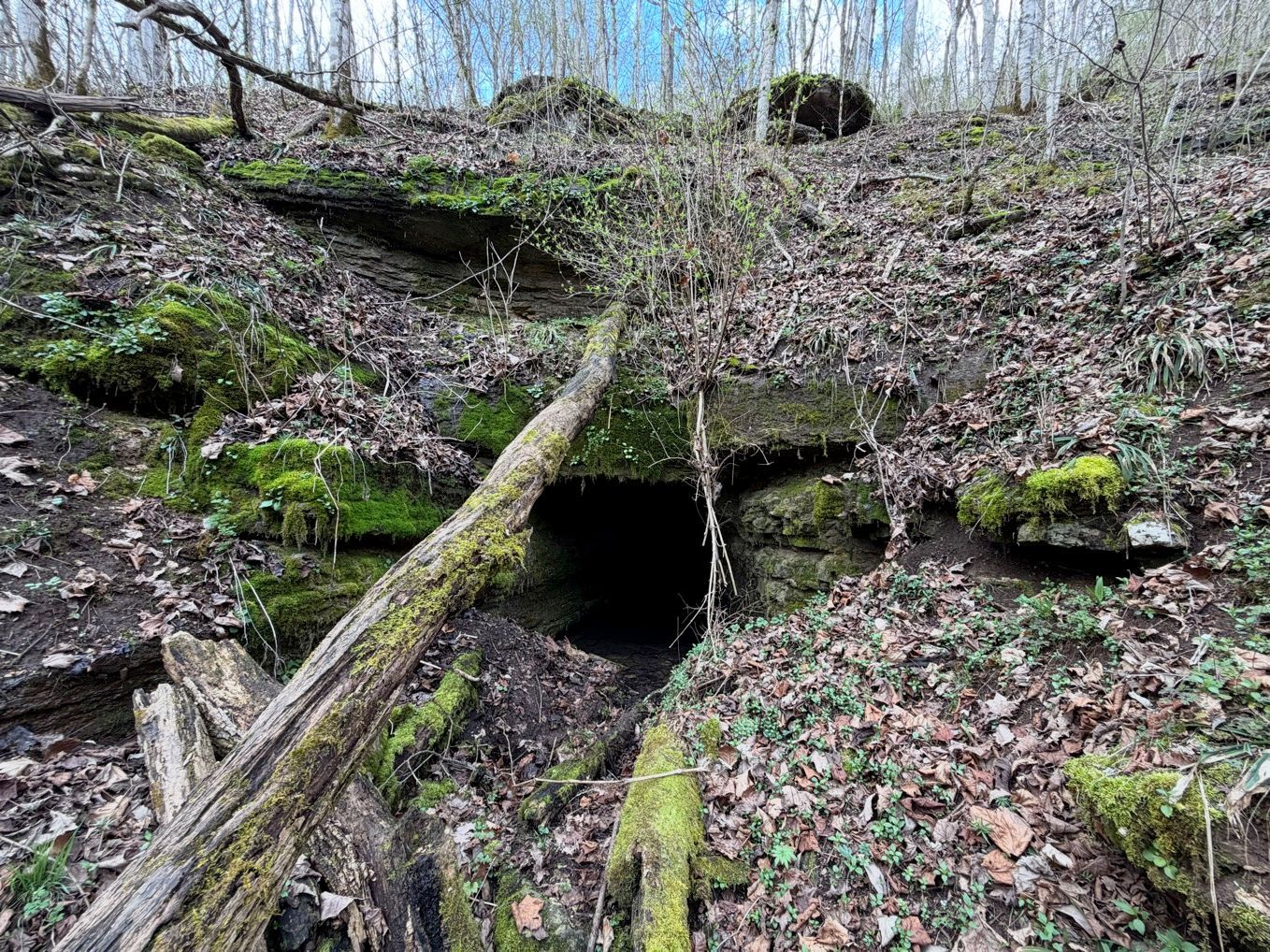
- Radio telemetry, emergence surveys, and hibernaculum assessments add cost when a project requires tracking captured bats to roosts or evaluating winter habitat.
Most projects use a combination, and the required mix is usually set by your USFWS Field Office — not chosen freely. A project that can be cleared with a habitat assessment costs a fraction of one that requires a full season of mist-netting plus telemetry.
Cost Driver #3: Manual Acoustic Data Vetting
If your survey involves acoustics, be aware that the recording is only half the job. Automated classification software produces a first-pass species identification, but for federally listed species, that output isn't sufficient on its own — the call data must be manually vetted by qualified biologists to produce defensible results.
This matters for cost in two directions. Skimping on vetting is a false economy: a false-positive misidentification can trigger unnecessary and expensive conservation measures, while a missed detection can expose you to liability. Proper manual vetting is a real line item, but it's the step that makes your data hold up under agency review — which is the entire point of doing the survey.
Cost Driver #4: Timing and Survey Windows
This is the factor that most often turns a manageable cost into an expensive one — not because the survey itself costs more, but because of when you engage.
Active-season bat surveys can only be conducted during a narrow summer window, which varies by state and USFWS Field Office. If a survey requirement is identified after that window has closed, your project waits until the next season — often a full year. That delay carries its own costs in financing, scheduling, and contractual penalties that can dwarf the price of the survey.
Engaging a biologist early — during due diligence or preliminary design — is the most reliable way to control both your survey cost and your overall project timeline. Early engagement also preserves options, like adjusting project design to reduce survey scope, that disappear once the schedule is locked.
Cost Driver #5: Location, Access, and Coordination
Finally, practical and regulatory geography affects cost:
- Travel and access to remote or difficult sites adds field time and expense.
- The specific USFWS Field Office and state agency involved set their own requirements, which can change the level of effort.
- The complexity of consultation — whether your project clears informally or requires formal Section 7 review and documentation — affects the reporting and coordination effort.
How to Budget for a Bat Survey
Putting it together, the most useful way to think about cost is as a range that depends on where your project lands across these drivers:
- Lowest cost: a habitat assessment that documents no suitable habitat, clearing your project without further survey.
- Moderate cost: an acoustic survey with manual vetting vs. a mist-net survey on a modestly sized site are often similar in cost.
- Higher cost: multi-method surveys — mist-netting, acoustics, and telemetry — across large or forested project areas, with formal consultation support.
The best way to get a meaningful estimate is a short conversation about your project's location, size, and timeline. At Volant EcoServices, we scope every project to the minimum defensible level of effort — enough to satisfy USFWS and state agencies, without paying for survey nights your project doesn't need.
This article is general information, not regulatory or legal advice. Survey requirements and costs vary by project and jurisdiction; confirm requirements with your USFWS Field Office or a qualified biologist.