What Happens if Bats Are Found on My Project?
For anyone planning a project that requires a bat survey, one worry usually sits underneath all the others: what if they actually find bats? It's easy to imagine a positive result as the moment a project grinds to a halt.
In reality, finding protected bats rarely stops a project outright. It changes the path — usually toward avoidance, minimization, and coordination with wildlife agencies — but a well-managed project with bats present almost always has a way forward. Understanding what that path looks like takes most of the fear out of the survey result, and helps you plan for the outcome instead of dreading it.
Here's what typically happens when a survey documents protected bats, and what it means for your project.
First: What "Finding Bats" Actually Means
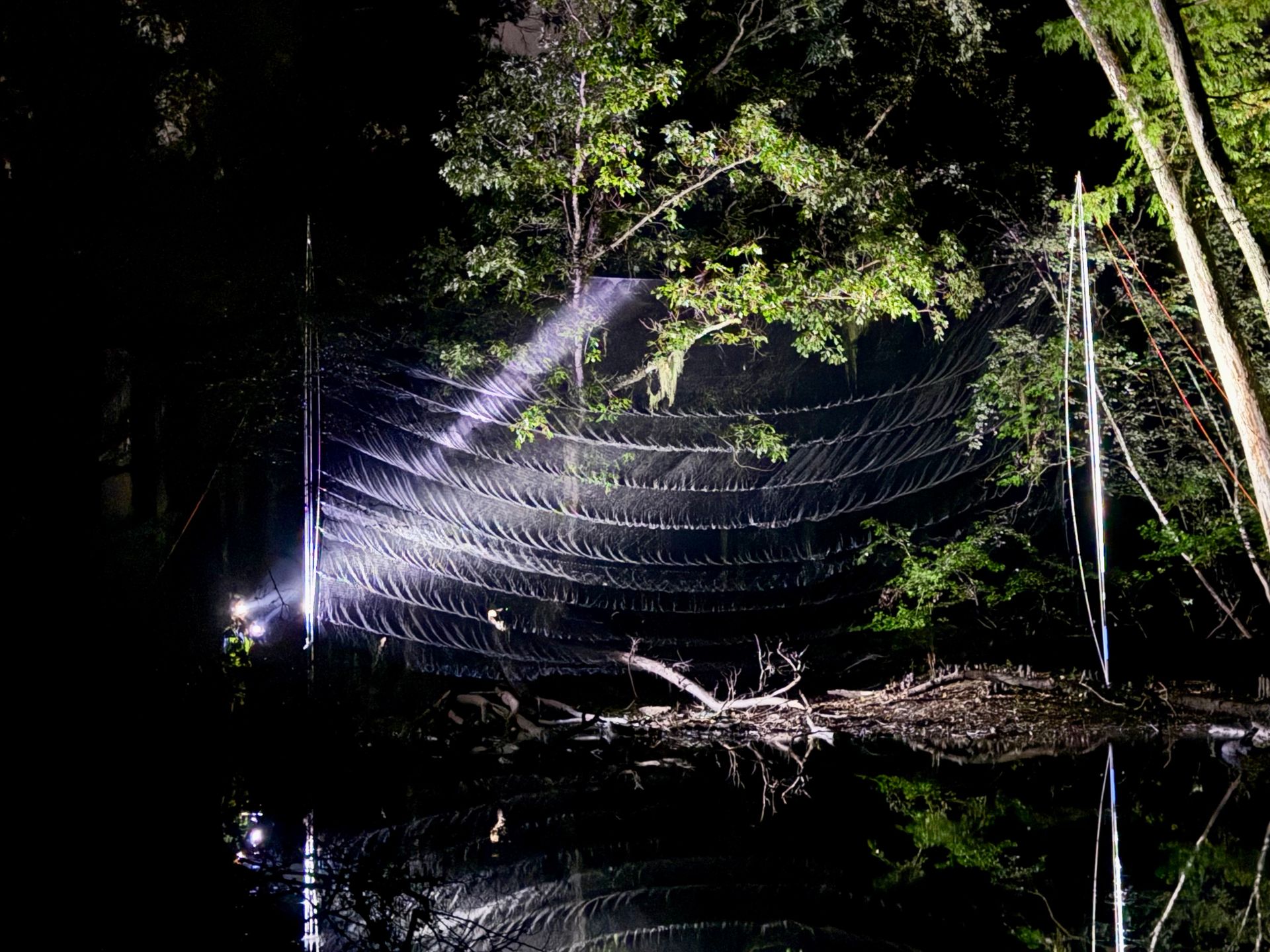
A survey doesn't just return "yes" or "no." It produces a documented determination of presence or probable absence of protected species within your project area, following the current USFWS Range-wide Survey Guidelines.
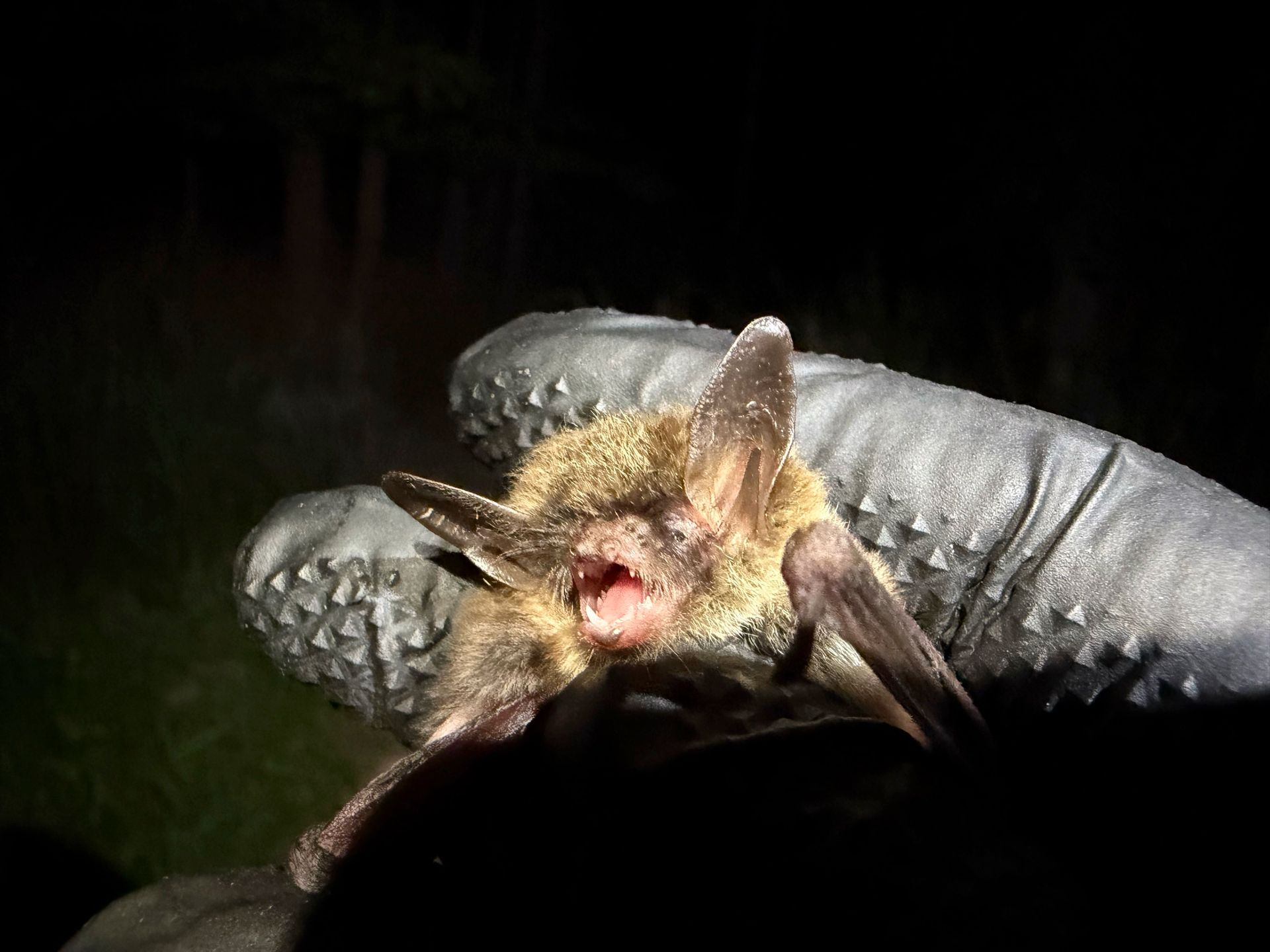
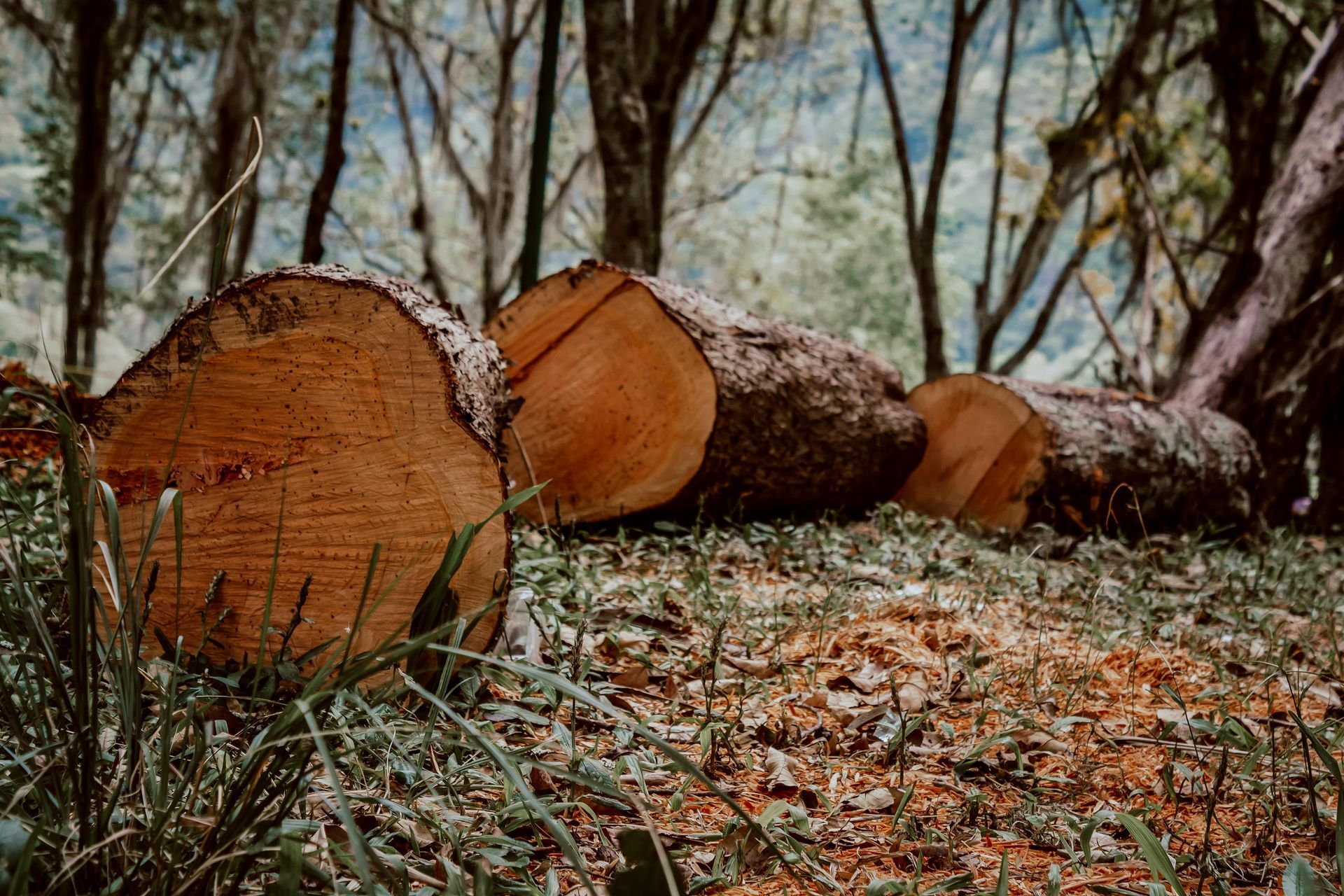
A positive result means a listed bat was detected or captured, or that presence is otherwise assumed. That finding matters because of what federal law protects against: under the Endangered Species Act, it is unlawful to "take" a listed species — a term that includes harming or killing individuals, and, importantly, significantly degrading the habitat they depend on. Unpermitted tree clearing or structure work that harms bats or their occupied habitat can constitute unlawful take.
The good news is that the law also provides well-established, routine pathways to proceed lawfully once bats are known to be present. Which pathway applies depends first on one question.
The Key Question: Does Your Project Have a Federal Nexus?
How you address a positive finding depends largely on whether your project involves the federal government — federal funding, a federal permit, or federal land. This is called a federal nexus, and it determines which part of the ESA governs your path forward.
If your project has a federal nexus, it goes through ESA Section 7 consultation — a process between the federal agency involved and the U.S. Fish and Wildlife Service.
If your project has no federal nexus — a private project on private land with no federal permit or funding — Section 7 doesn't apply, but the Section 9 prohibition on take still does. In that case, avoiding take (often through project design and timing) is the path, and where take can't be avoided, an incidental take permit under ESA Section 10 — typically supported by a Habitat Conservation Plan — is the mechanism to proceed lawfully. State-listed species protections may also apply independently.
Most of what follows describes the Section 7 path, since it's the most common for the development, infrastructure, and energy projects that require surveys — but the underlying goal in both cases is the same: avoid, then minimize, then offset.
The Section 7 Path: Avoid, Minimize, Mitigate
When a federal-nexus project may affect listed bats, the federal agency consults with USFWS. This process is far more collaborative than most project proponents expect — its entire purpose is to find a way for the project to proceed while conserving the species. It generally works through a hierarchy:
- Avoidance comes first. The most straightforward outcome is designing the project to avoid impacts altogether — for example, adjusting a footprint to steer clear of the most suitable habitat, or timing tree clearing for the winter inactive season when bats aren't present. Many projects resolve here, with modest adjustments rather than major redesigns.
- Minimization comes next. Where impacts can't be fully avoided, the focus shifts to reducing them — limiting the area of habitat removed, adjusting construction timing, or adopting specific conservation measures.
- Mitigation addresses what remains. For impacts that can't be avoided or minimized, consultation may call for offsetting the remaining effect — historically through compensatory measures such as conserving habitat elsewhere.
Most consultations conclude informally — the project is adjusted so effects are not likely to be adverse, and USFWS concurs. Only when adverse effects remain does consultation become formal, concluding with a Biological Opinion. A Biological Opinion that allows the project to proceed includes an Incidental Take Statement — which authorizes a specified, lawful amount of incidental take and sets the conditions the project must follow.
The result most project proponents don't anticipate: a "jeopardy" opinion — one concluding a project would threaten the species' survival — is genuinely rare for typical development and infrastructure projects. The far more common outcome is a workable set of conditions that lets the project move ahead.
Programmatic Frameworks Can Streamline the Path
For certain project types — transportation especially — USFWS and federal agencies have built programmatic frameworks that pre-package the analysis and the avoidance and minimization measures for common project types. Where a project qualifies, these can substantially shorten the coordination and give proponents predictable, standardized measures rather than a case-by-case process. If your project might fall under one, it's worth identifying early.
Why Early Surveys Make the "What If" Easier
Here's the throughline: nearly every good outcome above depends on knowing about bats early. A positive finding discovered during planning gives you the full menu of options — redesign, retiming, phased clearing, programmatic coverage. The same finding discovered after a schedule is locked, or after clearing has begun, removes those options and replaces them with delay and legal exposure.
That's why the presence of bats is far less costly to a project than the surprise of bats. A survey done early, with time to act on the result, turns a positive finding from a crisis into a planning input.
The Bottom Line
Finding protected bats on your project is a manageable, well-trodden situation — not a dead end. The ESA is built around helping projects proceed while conserving species, and the avoid-minimize-mitigate framework resolves the large majority of projects without anything close to a shutdown. What determines whether it's smooth or painful is mostly timing: the earlier you know, the more options you have.
Volant EcoServices helps project proponents across the eastern United States survey for protected bats, interpret the results, and coordinate with USFWS Field Offices to keep projects compliant and moving. Our principal ecologists hold active USFWS Section 10(a)(1)(A) recovery permits.
Related: Bat Surveys · Bat Surveys for Land Development · Threatened & Endangered Species · Industries We Serve
This article is general information, not regulatory or legal advice. ESA compliance pathways vary by project and jurisdiction; confirm requirements with your USFWS Field Office or a qualified biologist.