Bat Surveys for Data Center Development: What AI Infrastructure Teams Need to Know
The data center buildout driving AI infrastructure is happening fast, at large scale, and increasingly on greenfield sites. Site selection is driven largely by power availability, transmission access, and fiber — which frequently points development toward rural and exurban land, much of it forested.
That combination — large forested footprints, aggressive schedules, and locations near transmission corridors — puts data center projects squarely into the path of federal and state protections for endangered bats.
For teams that have built data centers before, this may already be on the checklist. For the many teams entering greenfield development for the first time, bat survey requirements are often an unfamiliar constraint discovered late — and late is exactly when they're most expensive. This guide explains what triggers a bat survey on a data center project, why project scale changes the equation, and where in your development timeline to address it.
Why Data Center Projects Trigger Bat Surveys
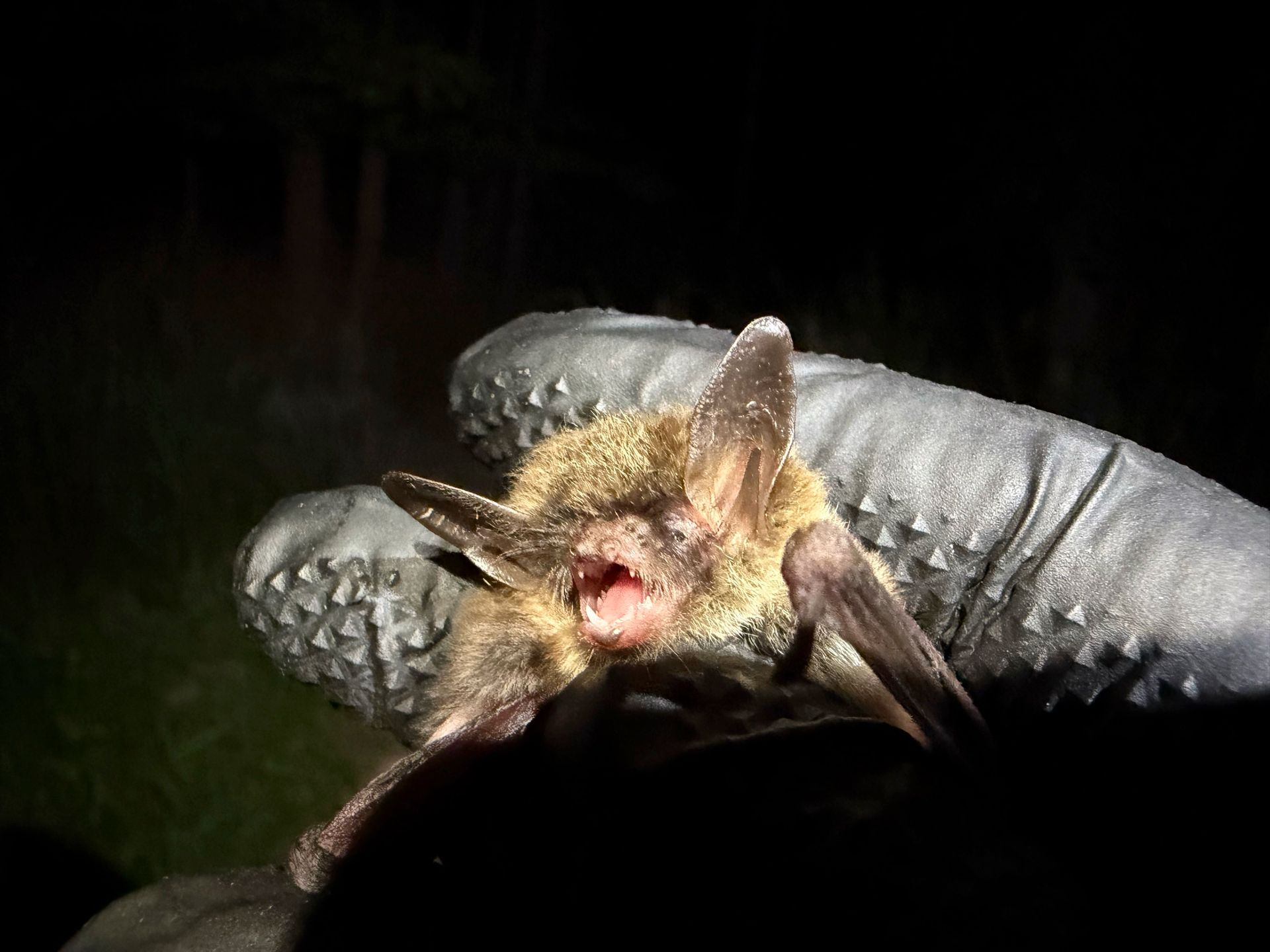
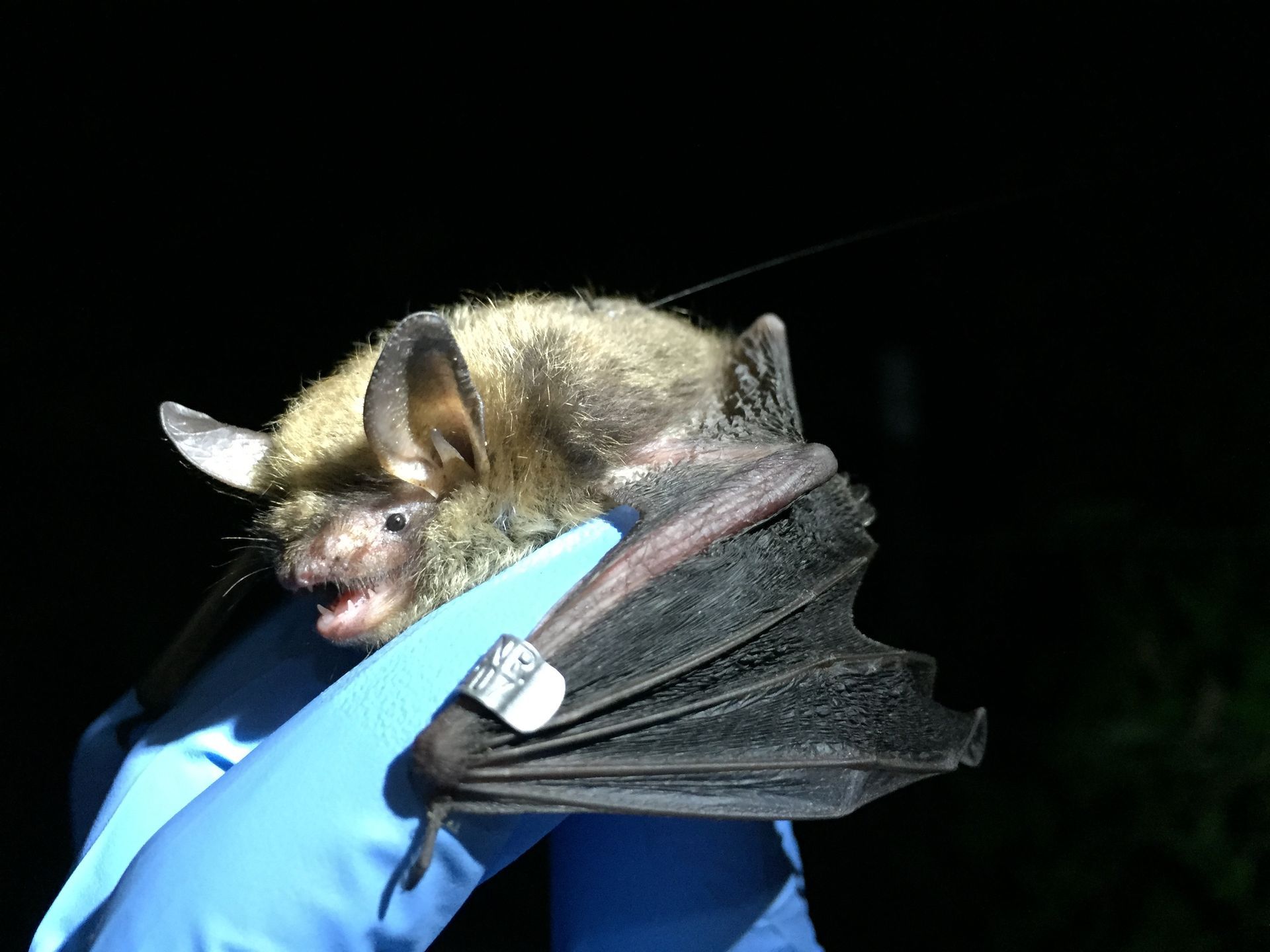
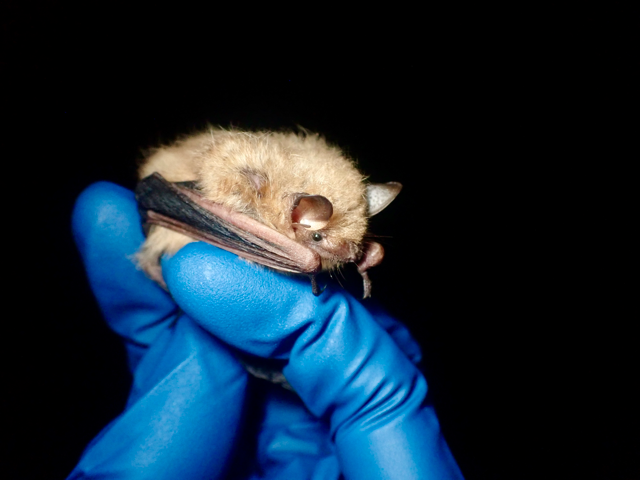
Three federally protected bat species drive most survey requirements across the eastern United States: the Indiana bat, northern long-eared bat, and tricolored bat. Requirements are generally triggered by activities that remove or disturb the habitat these species use.
For data center development, the common triggers are:
- Large-scale tree clearing for the campus pad, laydown areas, and access — the primary trigger on forested greenfield sites
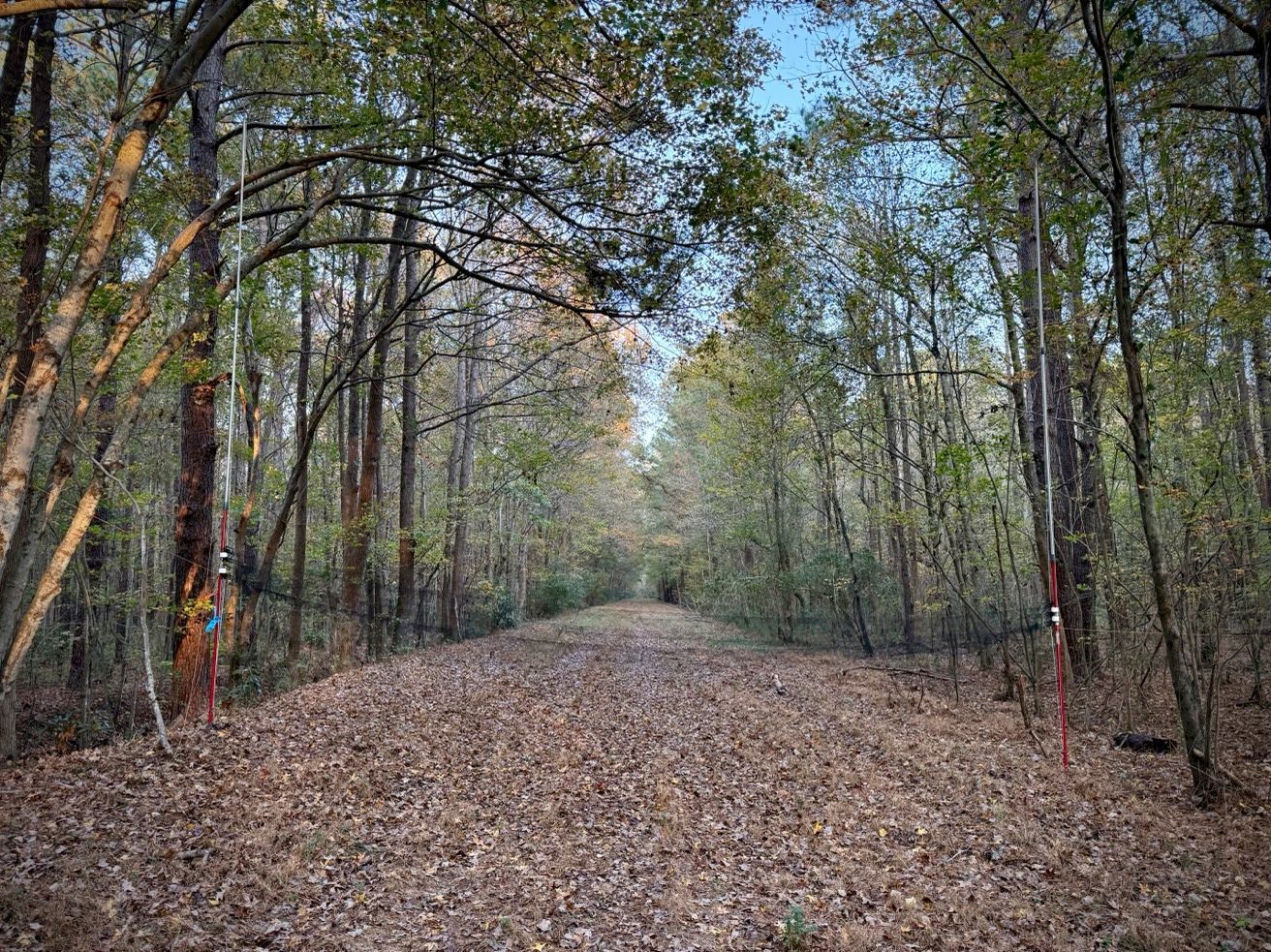
- Transmission interconnection — the lines and substations bringing power to the campus, which cross additional forested land
- Supporting linear infrastructure — water, fiber, and gas routing that clears corridors of its own
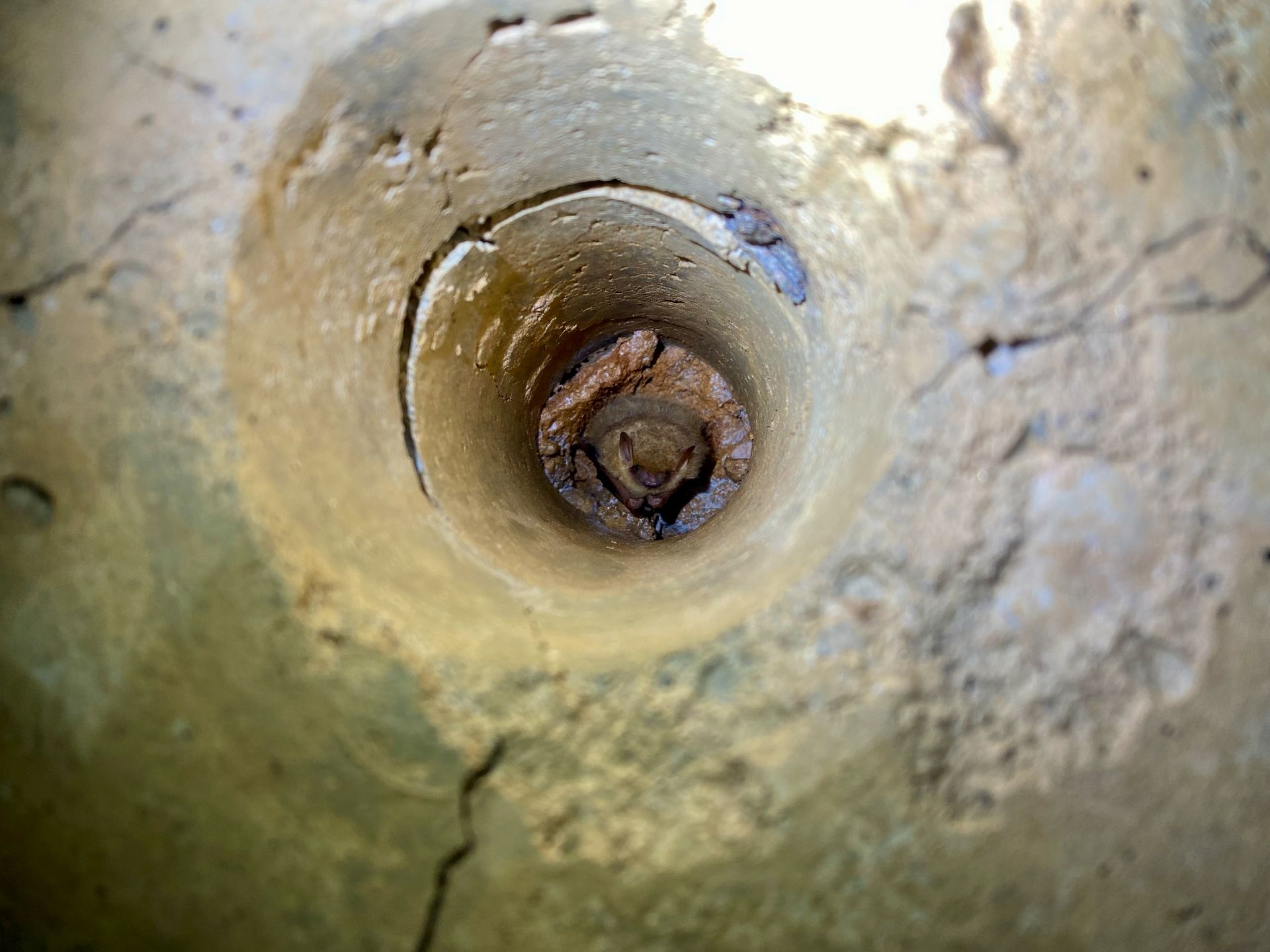
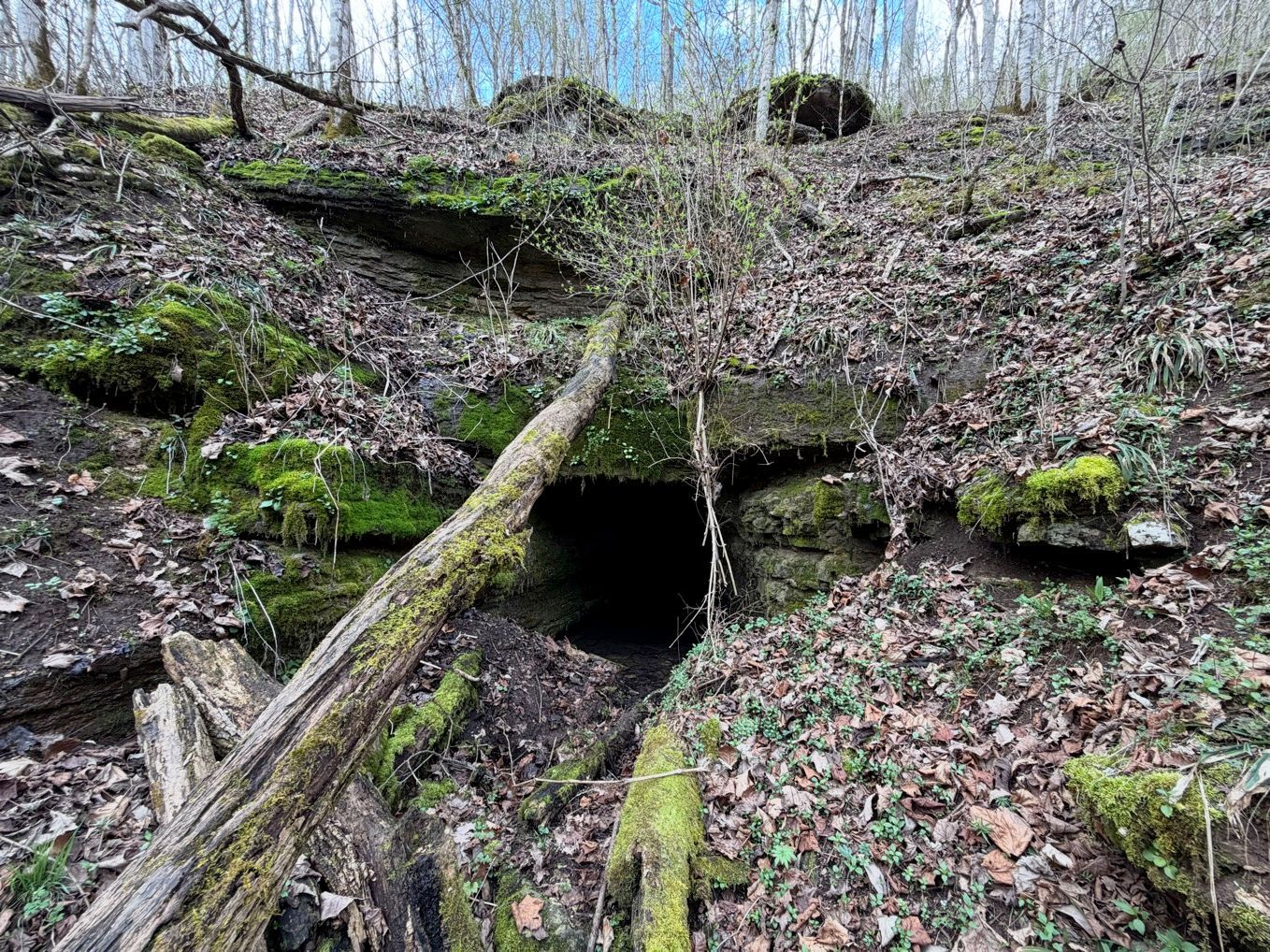
- Existing structures on site, including older buildings or bridges that bats may use as roosts, when a project involves demolition or modification
The interconnection point deserves particular attention. A campus footprint and its transmission corridor are often evaluated as separate survey problems with different scoping rules — and teams focused on the pad sometimes overlook the line that feeds it.
Scale Changes the Survey Equation
This is where data centers differ most from smaller commercial development, and it's the part most likely to surprise a team budgeting from a generic assumption.
Under the current USFWS Range-wide Survey Guidelines, presence/probable absence survey effort is scoped by survey area unit — defined as a parcel of up to approximately 123 acres, or a 1-kilometer section for linear projects. A campus of several hundred or a few thousand acres of suitable habitat therefore isn't one survey — it's many survey units, each carrying its own minimum level of effort. Survey cost and field duration scale with the footprint rather than being a flat line item.
The same logic applies to the interconnection: a transmission corridor is scoped by 1-km section along its length, so a long line adds effort proportional to how far it runs through suitable habitat.
Scale also creates a second, less obvious constraint. Tree clearing is generally timed to the winter inactive season, when bats are hibernating and not present in the trees — a common way to avoid impacts without a full survey. But on a large campus, clearing the entire footprint within a single winter window often isn't feasible. When the clearing can't all be completed while bats are absent, presence/probable absence surveys during the active season typically become the path forward. For large data center sites, this is a frequent outcome and one worth anticipating rather than discovering.
"Privately Funded" Doesn't Mean "No Requirements"
A common assumption on privately financed projects is that federal wildlife rules don't apply. That assumption is incorrect, and it's worth correcting early.
If your project has a federal nexus — federal funding, federal land, or a federal permit — it goes through ESA Section 7 consultation. On large sites, the most common nexus is a Clean Water Act Section 404 permit, which large footprints frequently require where wetlands or streams are present.
If your project has no federal nexus, Section 7 doesn't apply — but the ESA's Section 9 prohibition on "take" of a listed species still does, and it applies to private parties on private land. Unpermitted clearing that harms listed bats can constitute unlawful take regardless of who is funding the project. Where take can't be avoided, an incidental take permit under ESA Section 10 is the lawful pathway.
State-listed species requirements apply independently of federal involvement, and several states set their own survey windows and target species.
The practical point for a data center team: the question isn't whether the federal government is funding you. It's whether protected bats use the land you're about to clear.
Timing Is the Real Schedule Risk
For projects racing toward energization, this is the section that matters most.
Bat surveys can only be conducted during defined seasonal windows, because they depend on bats being active on the landscape. Under the current Guidelines, the summer survey season runs May 15 through August 15 in the hibernating portion of the range, while the year-round active season for northern long-eared bat and tricolored bat runs March 1 through October 15 in the portion of their range designated year-round active. Some states apply narrower windows of their own.
Three further constraints compress the practical window:
- Study plans require advance approval. A survey study plan must be submitted to and approved by the USFWS Field Office before fieldwork begins. For complex projects requiring coordination across multiple Field Offices, the Guidelines indicate approval can take on the order of 45 to 60 days — and a long interconnection crossing jurisdictions is exactly that kind of project.
- Survey effort spans multiple nights, so fieldwork occupies a block of the season rather than a single visit.
- Weather can consume part of the window, since surveys require suitable conditions.
Missing a survey season doesn't cost weeks. It typically costs a year — and on a project where time-to-power drives the entire financial model, a twelve-month wildlife delay is a materially different problem than a twelve-month permitting delay the team already anticipated.
The Highest-Leverage Move: Assess During Site Selection
The most valuable thing a data center developer can do about bat requirements is address them before committing to a parcel.
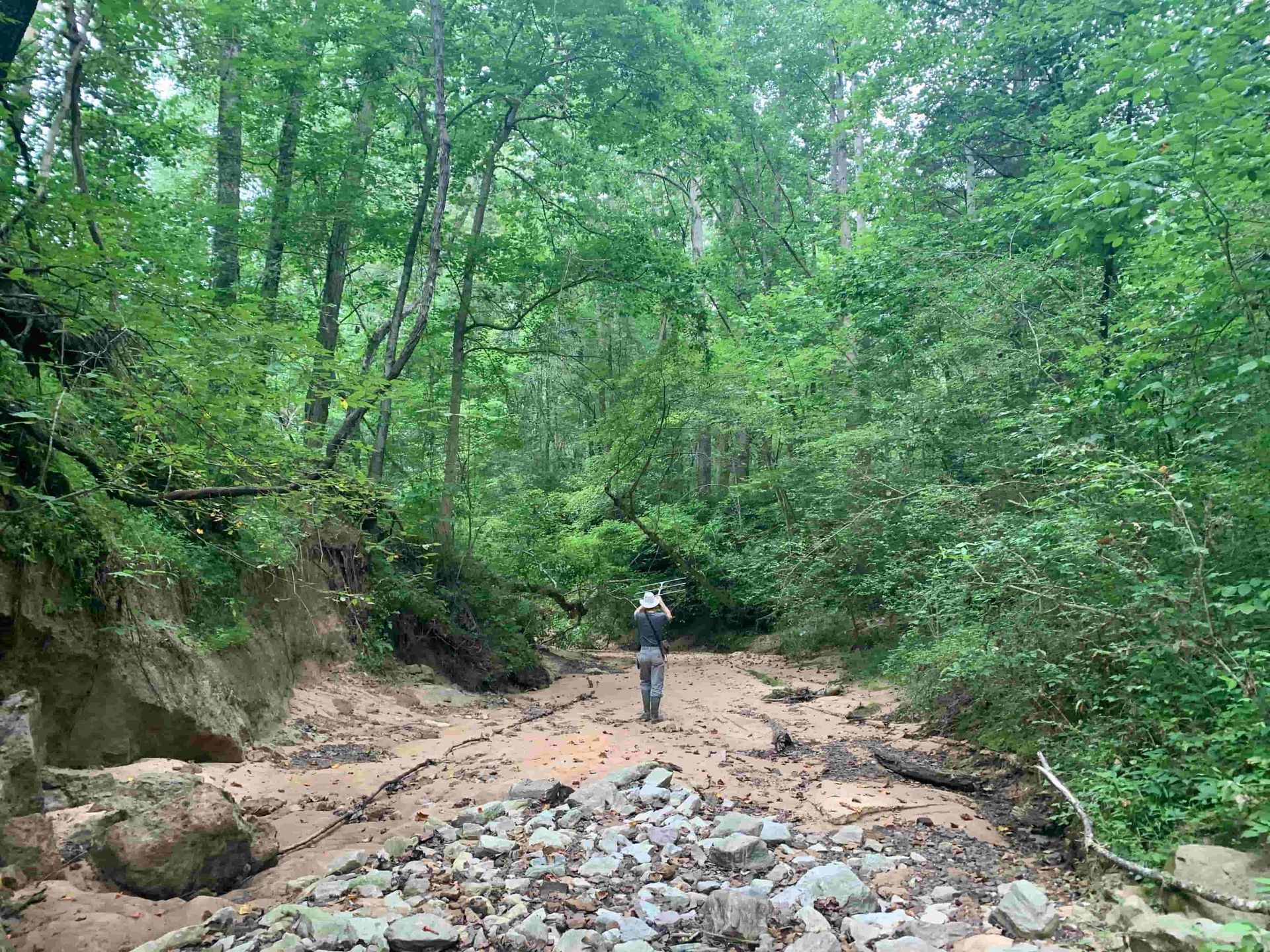
The Guidelines use a phased approach that begins with a habitat assessment — an evaluation of whether suitable bat habitat is present. Where suitable habitat is absent, no further presence/probable absence surveys are recommended. That makes the habitat assessment both the cheapest step and the one with the highest potential payoff: on some sites it clears the project outright.
Run during site selection or due diligence, a habitat assessment does more than satisfy a requirement. It becomes a comparative screening tool — informing which candidate parcel carries the least wildlife schedule risk, and letting you weigh a forested site's survey burden against alternatives before the land is under contract and the schedule is fixed.
Early assessment also preserves options that disappear later: adjusting the footprint to avoid the most suitable habitat, phasing clearing to fit the winter window, or routing the interconnection around a problem area. And because negative presence/probable absence results are generally valid for five years, a survey completed early in development typically still covers construction when it begins.
How Volant Supports Data Center Projects
Volant EcoServices provides USFWS-protocol bat surveys for large-scale development across the eastern United States, including:
- Site selection and due diligence habitat assessments — evaluating candidate parcels for suitable bat habitat before acquisition
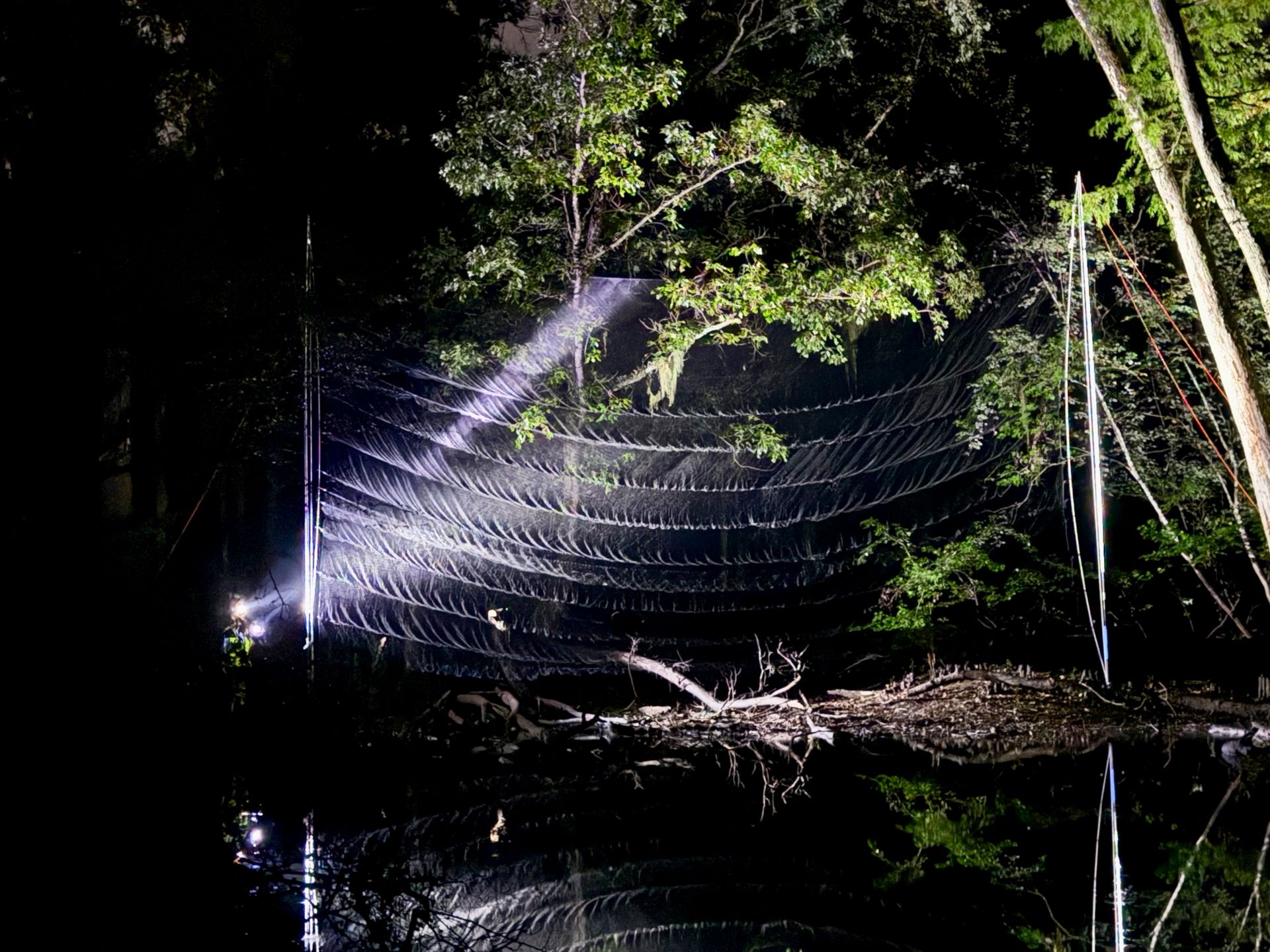
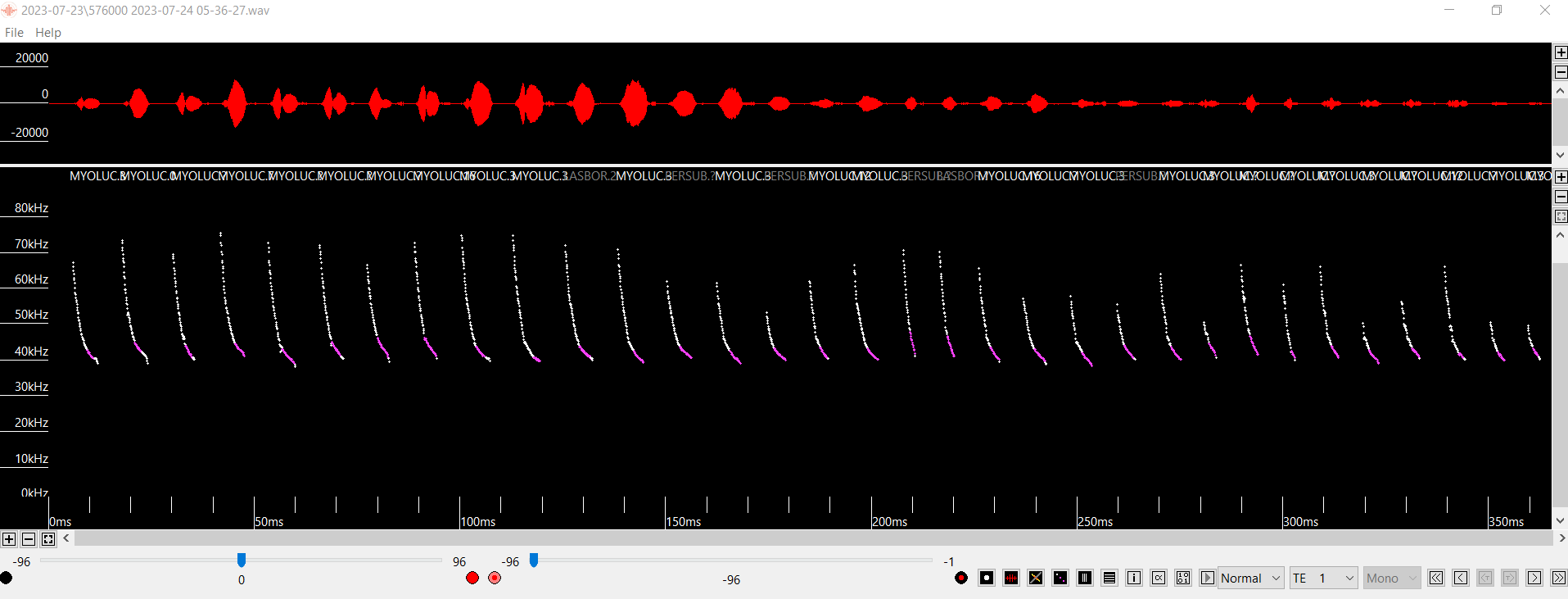
- Presence/probable absence surveys — acoustic and mist-net surveys scoped to the survey-unit structure of large campus footprints, with all acoustic data manually vetted by federally permitted biologists rather than left to automated software alone
- Linear corridor surveys — survey design for transmission interconnection and supporting infrastructure
- Agency coordination and documentation — study plans submitted to and approved by the appropriate Field Office(s), and defensible reporting supporting Section 7 consultation or take-avoidance documentation
Our ecologists hold active USFWS Section 10(a)(1)(A) recovery permits for the Indiana bat, northern long-eared bat, and gray bat.
The Bottom Line
Bat survey requirements rarely stop a data center project. What they do is impose a fixed seasonal calendar on a development model built for speed — and teams that meet that calendar late pay for it in years, not weeks.
If you have a site under consideration or under contract, the highest-value step is a habitat assessment early enough to shape the decision rather than react to it.
Related: Bat Surveys · Bat Surveys for Land Development · Bat Surveys for Electric Transmission · When Can Bat Surveys Be Done?
This article is general information, not legal or regulatory advice. Requirements vary by project, location, and jurisdiction; confirm requirements with your USFWS Field Office or a qualified biologist.