Planning Winter Tree Clearing: What the Guidelines Say
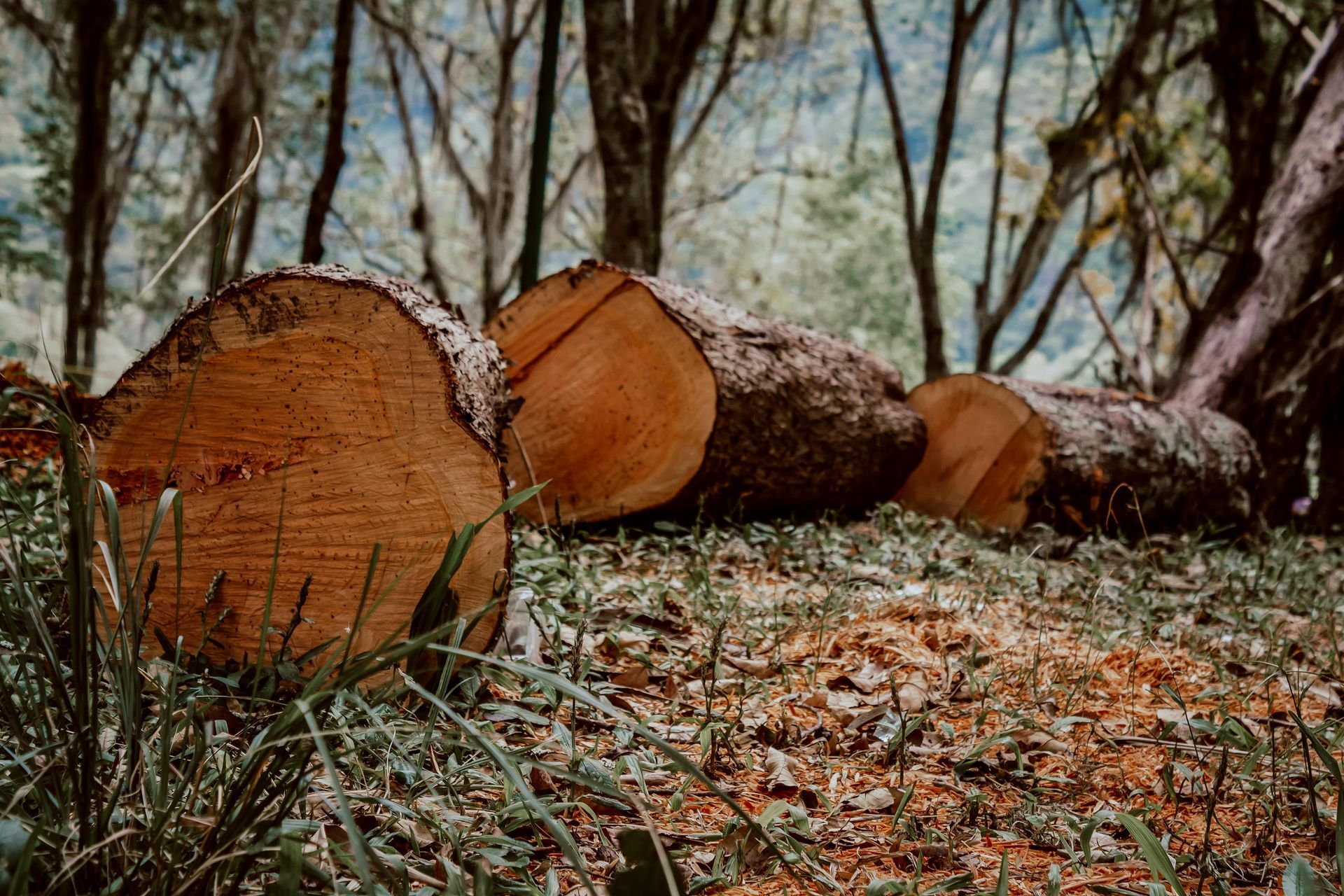
Fall is when many projects start planning winter tree clearing — and for good reason. Clearing trees while listed bats are not actively using them is one of the most common ways project proponents address bat habitat concerns without a summer survey. But "winter clearing" isn't a single defined rule with one universal date. Understanding what the current USFWS survey guidelines actually establish — and what they don't — is the difference between a plan that holds up and one built on assumption.
Here's what the 2026 Range-wide Indiana Bat and Northern Long-Eared Bat Survey Guidelines say that's directly relevant to winter clearing planning, and where the guidelines' scope ends.
What the Guidelines Actually Define
The 2026 Guidelines are a survey methodology document. Their core purpose is to specify how presence/probable absence surveys are designed and conducted — not to regulate tree clearing directly. Two things they do define are central to winter planning:
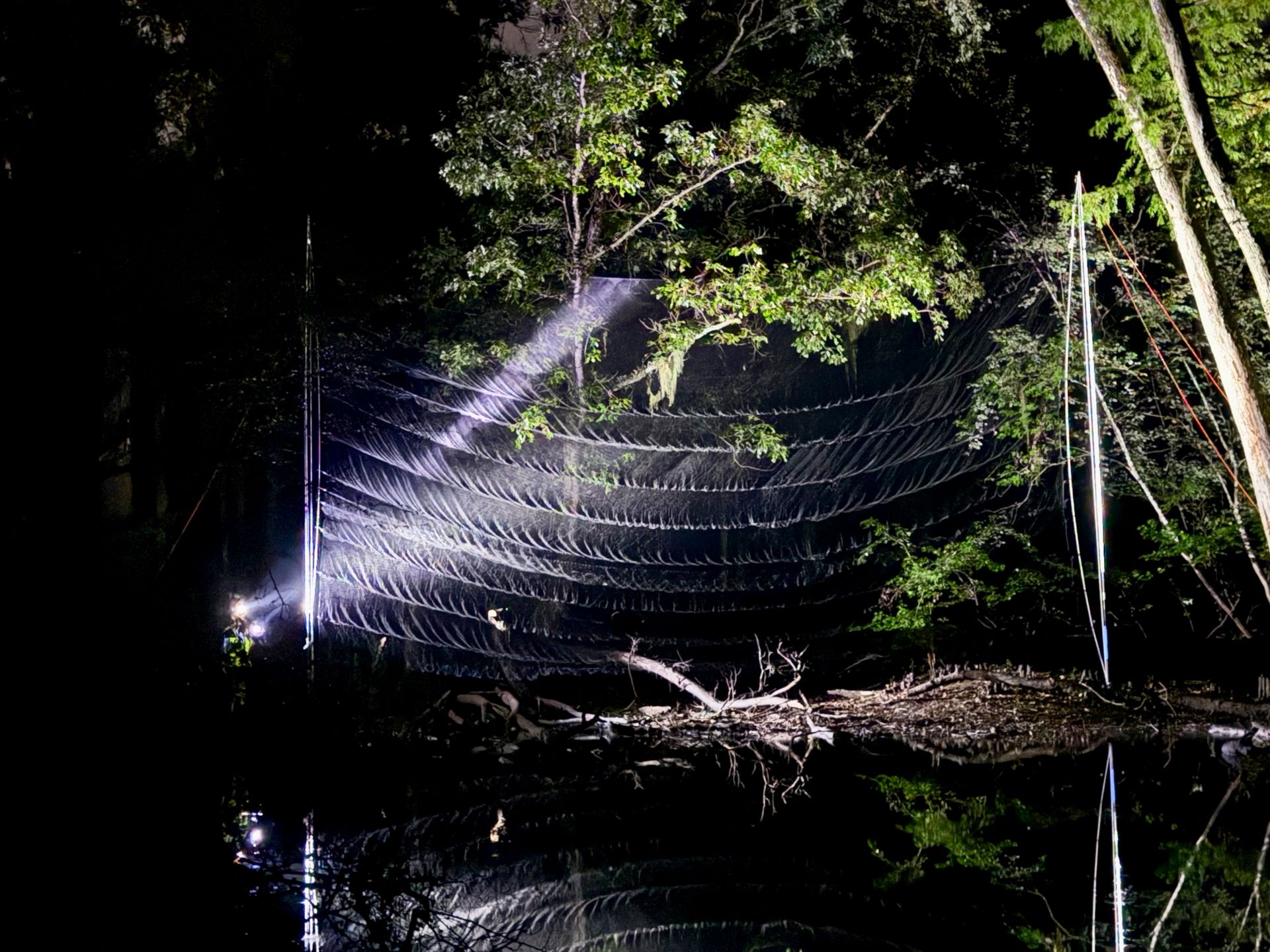
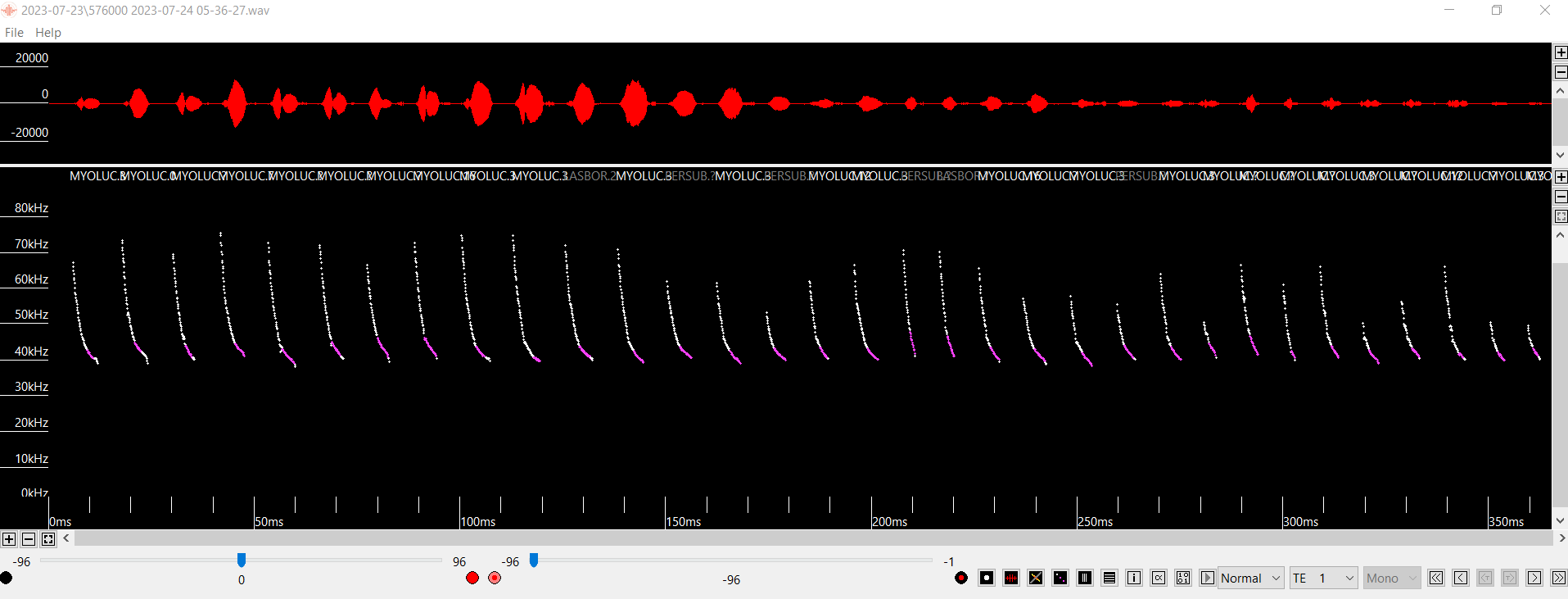
The active-season survey windows. The Guidelines establish when presence/probable absence surveys can be conducted, because that's when the target species are active on the landscape. In the hibernating range, the survey season runs May 15 through August 15. In the portion of the northern long-eared bat and tricolored bat range designated year-round active, surveys can be conducted March 1 through October 15.
The phased survey approach. The Guidelines call for a habitat assessment before any presence/probable absence survey is designed — evaluating whether suitable summer roosting habitat is present at all. Where suitable habitat is absent, no further survey is recommended.
Those two provisions are the foundation for why winter clearing is a common strategy: if the target species are only reliably active on the landscape during the windows above, clearing timed to fall outside those windows is a way to avoid disturbing bats during their active period. That reasoning is a logical inference from the survey windows — the Guidelines themselves are a survey document and do not issue a clearing regulation or set a specific "safe" clearing date. Whether winter clearing satisfies your project's compliance obligation is a determination made through your regulatory pathway, not something the survey guidelines resolve on their own.
Hibernacula Are a Separate, Related Consideration
Winter is also when the Guidelines address a different subject entirely: winter habitat and hibernacula.
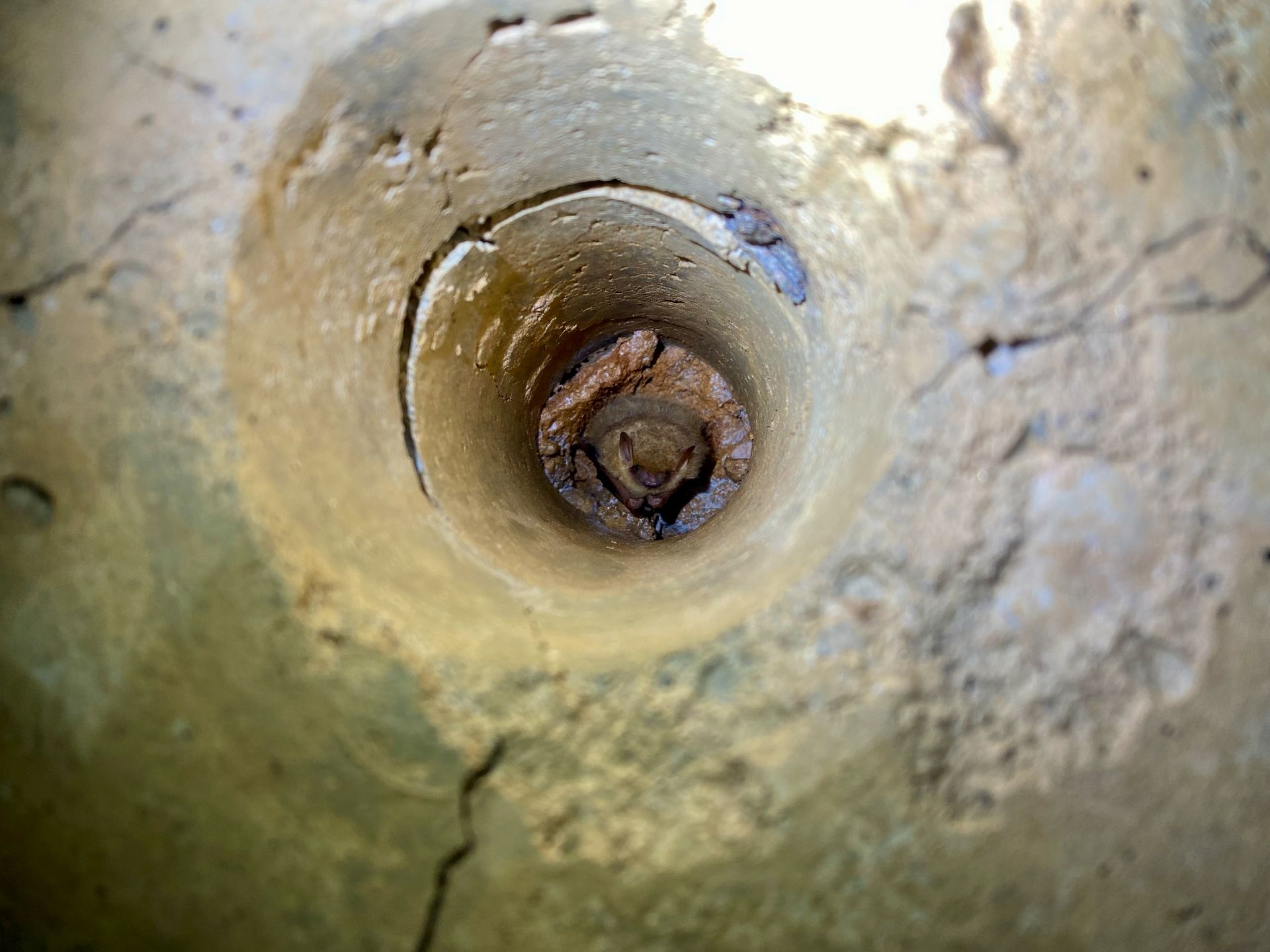
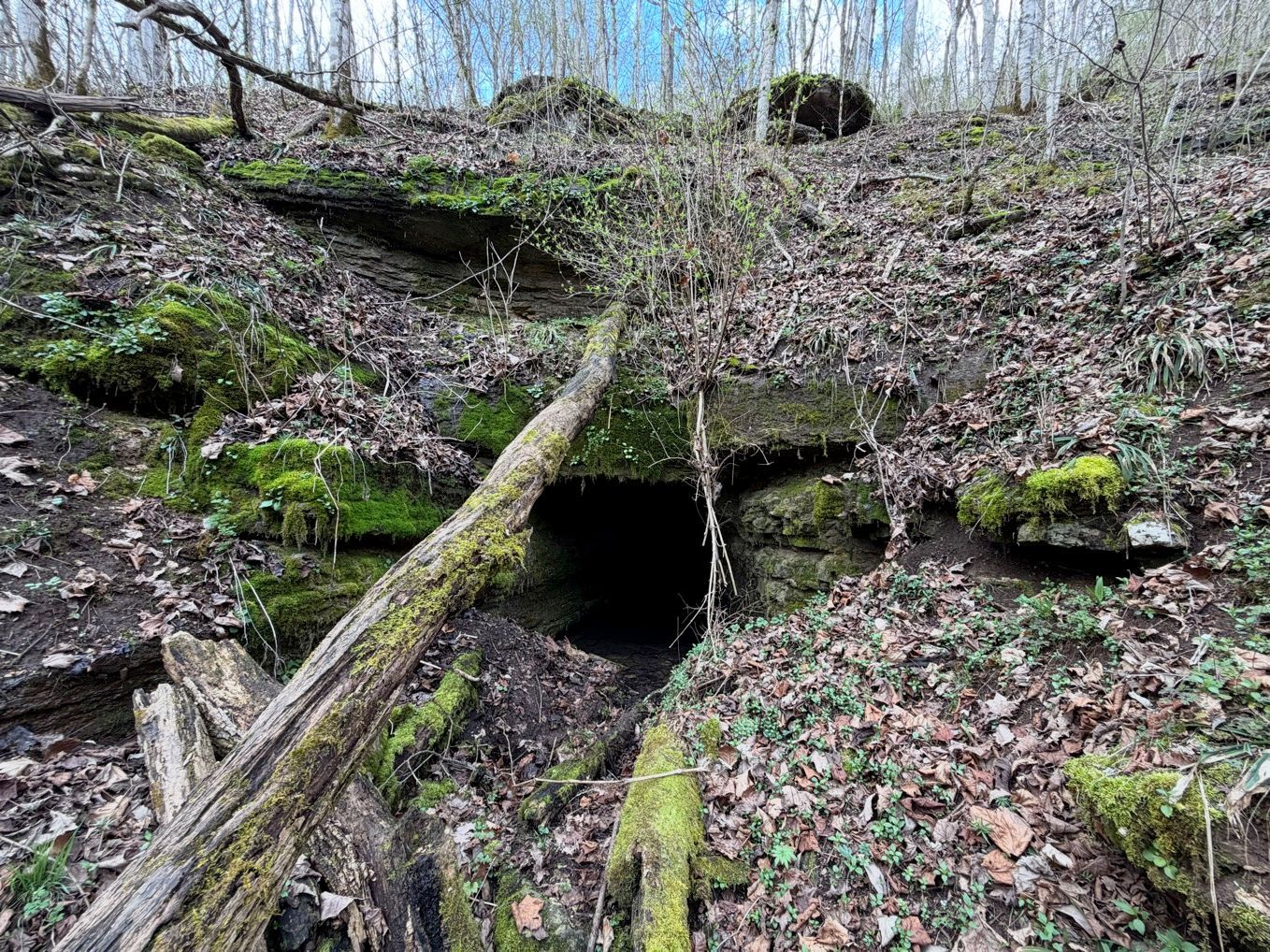
The Guidelines direct that hibernacula habitat assessments evaluate natural karst features — caves, sinkholes, fissures — as well as anthropogenic features such as mines and tunnels, including features connected to a project by physical passageway, airflow, or hydrology.
This matters for winter clearing planning because the two concerns can overlap geographically. A project area that is being cleared specifically because bats are not expected to be roosting in the trees during winter may still be near a hibernaculum where bats are present in winter. The Guidelines treat "is suitable summer roosting habitat present" and "is suitable winter hibernacula habitat present" as two distinct assessment questions — clearing timed around the first does not by itself address the second. A hibernacula habitat assessment is the way to determine whether that's a relevant concern for your specific project area.
What the Guidelines Don't Tell You
Being precise about scope matters here, because assuming the survey guidelines answer questions they don't is exactly how a winter clearing plan goes wrong. The Guidelines do not specify:
- A single nationwide "safe" date range for winter tree clearing
- Whether winter clearing, by itself, satisfies ESA compliance for your project
- State-specific clearing restrictions, which are set separately by state agencies and can differ from the federal survey windows
- Requirements specific to your project's federal nexus, if any, or the terms of your particular consultation
These are determined through your project's applicable regulatory pathway and, where relevant, through coordination with your USFWS Field Office and state agency — not through the survey guidelines document itself.
Building a Realistic Winter Clearing Plan
With that scope in mind, here's what's worth working through before committing to a winter clearing schedule:
Confirm your footprint is achievable. The survey windows tell you when the active season is — they don't tell you how much acreage you can physically clear before it starts again. Large or complex sites are the most common place this assumption breaks down.
Get a hibernacula habitat assessment if there's any karst, cave, or mine feature nearby. As above, this is a separate question from summer roosting habitat, and the Guidelines' hibernacula-assessment criteria are the relevant standard to apply.
Confirm your compliance pathway treats winter clearing as sufficient. Since the survey guidelines don't make this determination, it needs to come from your project's actual regulatory process — Section 7 consultation, state agency coordination, or whatever applies to your project.
Don't assume a single date range applies everywhere. Because the Guidelines set survey windows rather than clearing rules, and because state requirements vary independently, the practical timing for your project should be confirmed for your specific location rather than assumed from a general rule.
The Bottom Line
The 2026 Guidelines give you the survey windows and the hibernacula assessment framework — the building blocks for understanding why winter clearing is a common strategy and how to evaluate whether hibernacula are a relevant concern. What they don't do is tell you, on their own, that clearing in winter resolves your project's compliance obligation. That determination comes from your project's regulatory pathway, informed by the habitat and hibernacula assessments the Guidelines do define.
Getting a habitat assessment done now — while there's still time before winter — is the step that turns "we're planning to clear in winter" into a plan grounded in your actual site conditions.
Volant EcoServices conducts habitat assessments and hibernacula assessments across the eastern United States, following the current USFWS Range-wide Survey Guidelines. Our ecologists hold active USFWS Section 10(a)(1)(A) recovery permits.
Related:
When Can Bat Surveys Be Done? ·
You Missed the Bat Survey Window. Now What? ·
Potential Bat Hibernaculum Surveys ·
Bat Surveys for Land Development
This article summarizes the USFWS Range-wide Survey Guidelines and is not legal or regulatory advice. Clearing timing and compliance requirements vary by project, location, and jurisdiction; confirm your project's requirements with your USFWS Field Office or a qualified biologist.