When Can Bat Surveys Be Done? A Guide to Survey Season Windows
Of all the factors that shape a project's environmental timeline, bat survey timing is one of the most consequential — and one of the most frequently overlooked. Bat surveys can't be done just any time of year. They're tied to defined seasonal windows, and if your project misses the window, the consequence isn't a short delay. It's often a full year, waiting for the next survey season to open.
Understanding these windows early lets you build survey timing into your project schedule instead of colliding with it later. Here's how bat survey seasons work and what determines the window that applies to your project.
Why Bat Surveys Are Seasonal
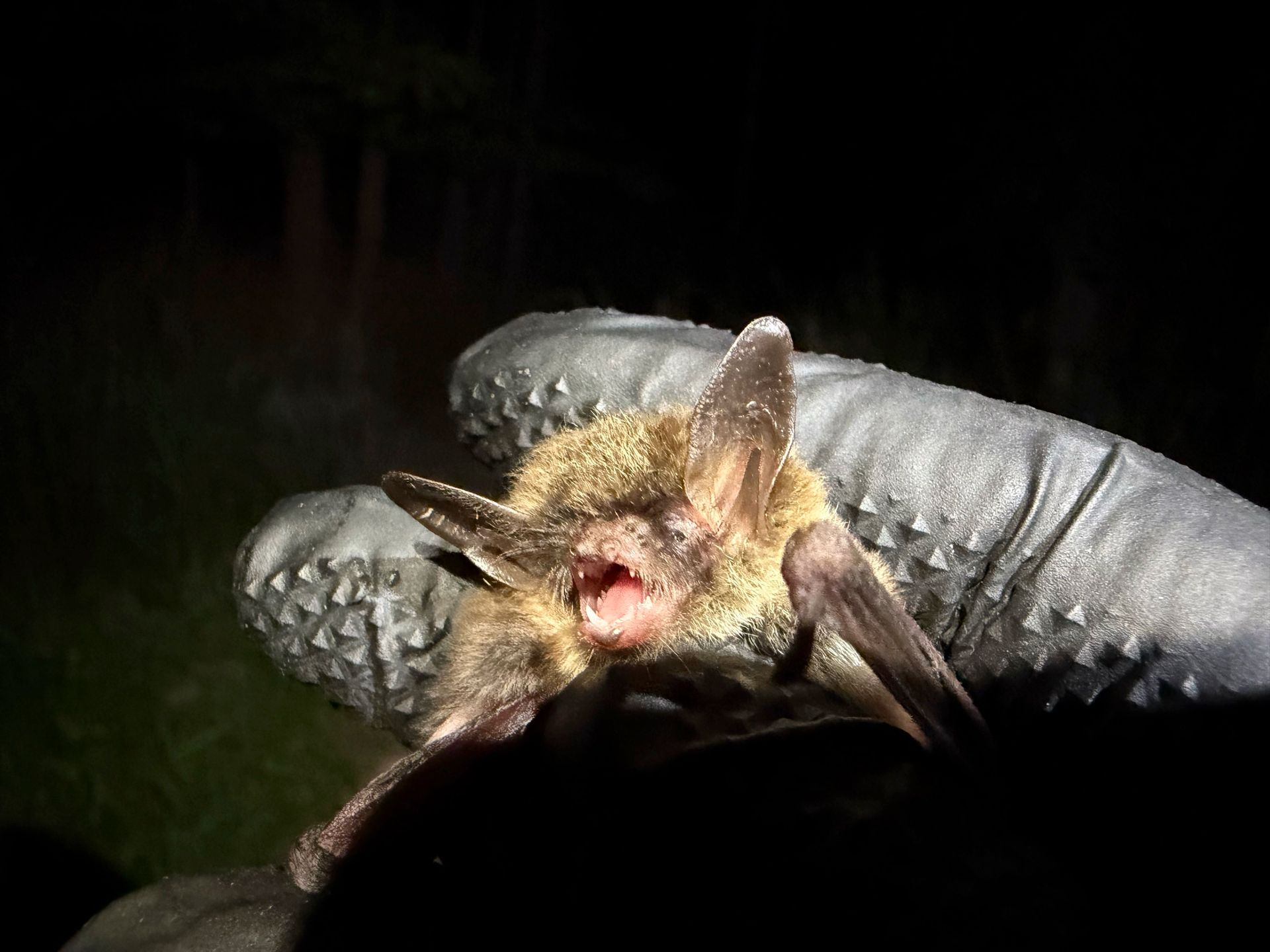
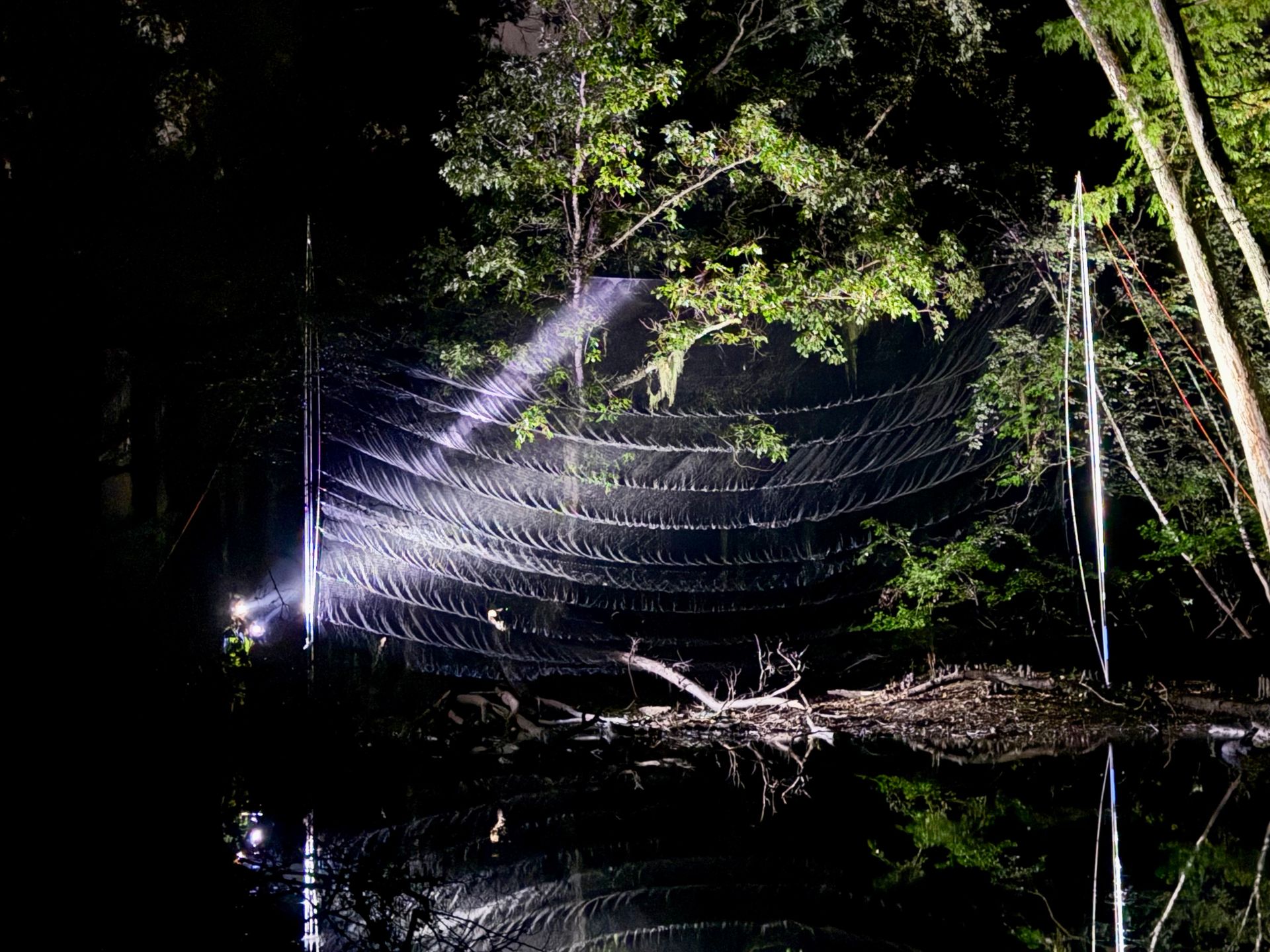
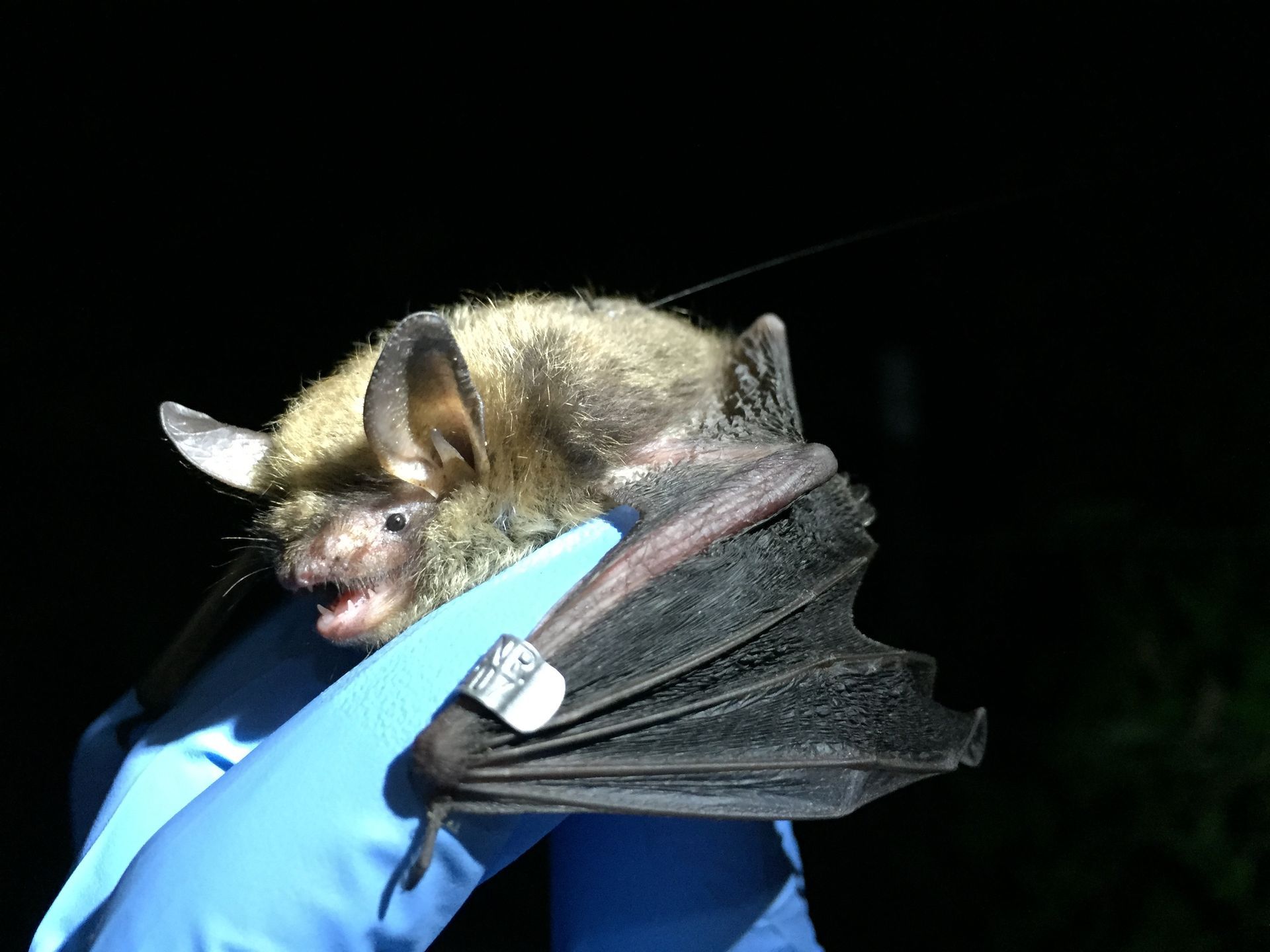
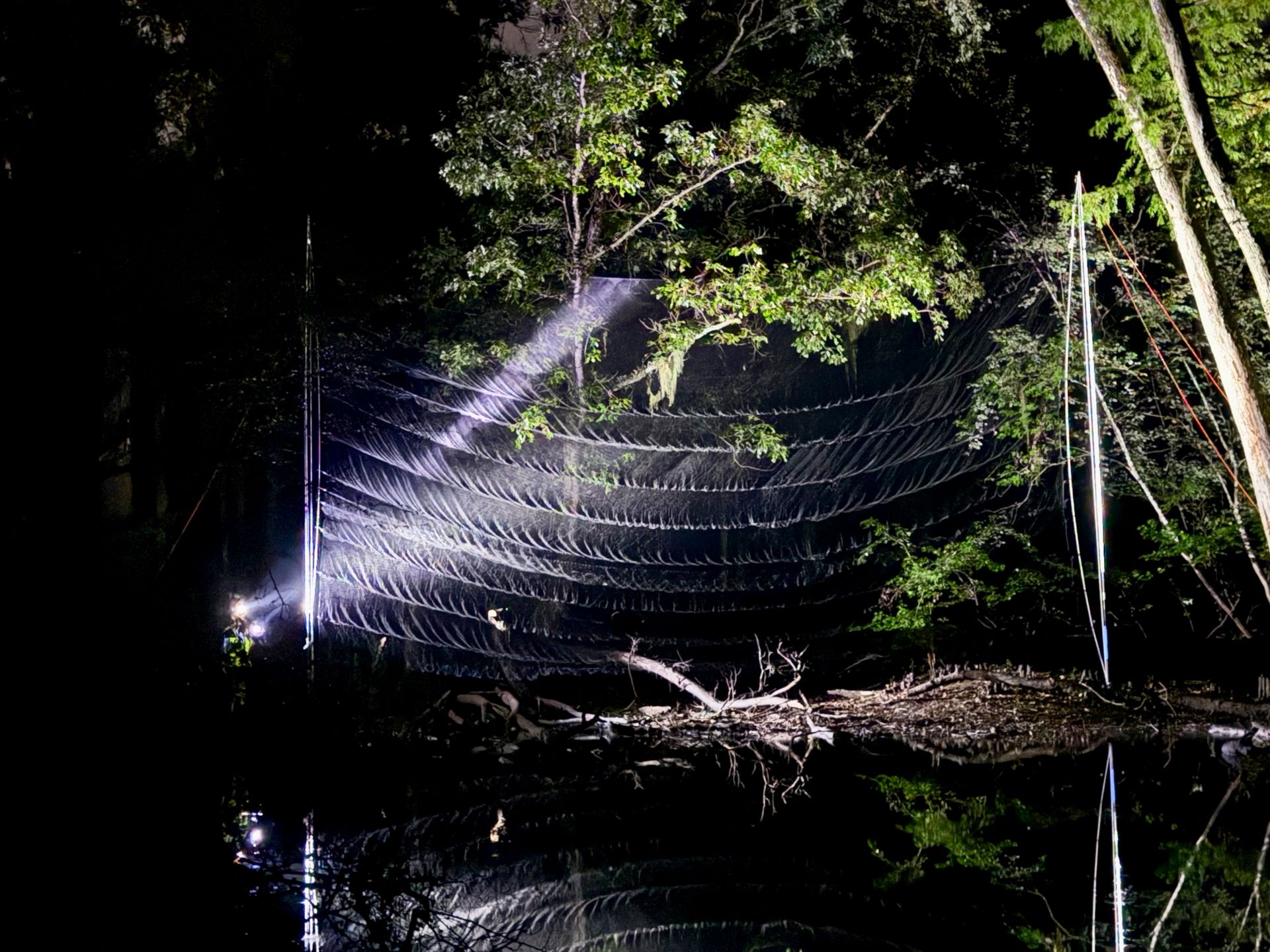
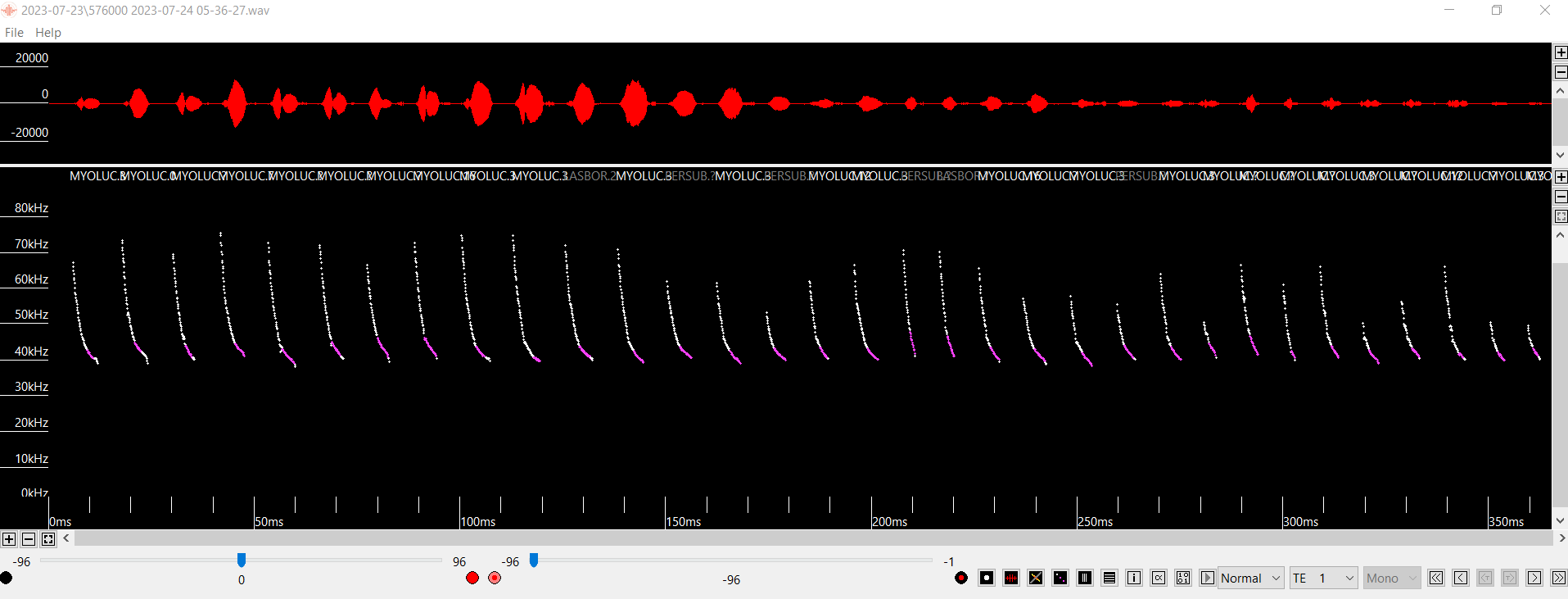
Bats aren't detectable year-round in the same way. Presence/probable absence surveys — the acoustic and mist-net surveys used to determine whether protected bats are present — depend on bats being active on the landscape: flying, foraging, and roosting in the areas being surveyed. That only happens during the warmer months.
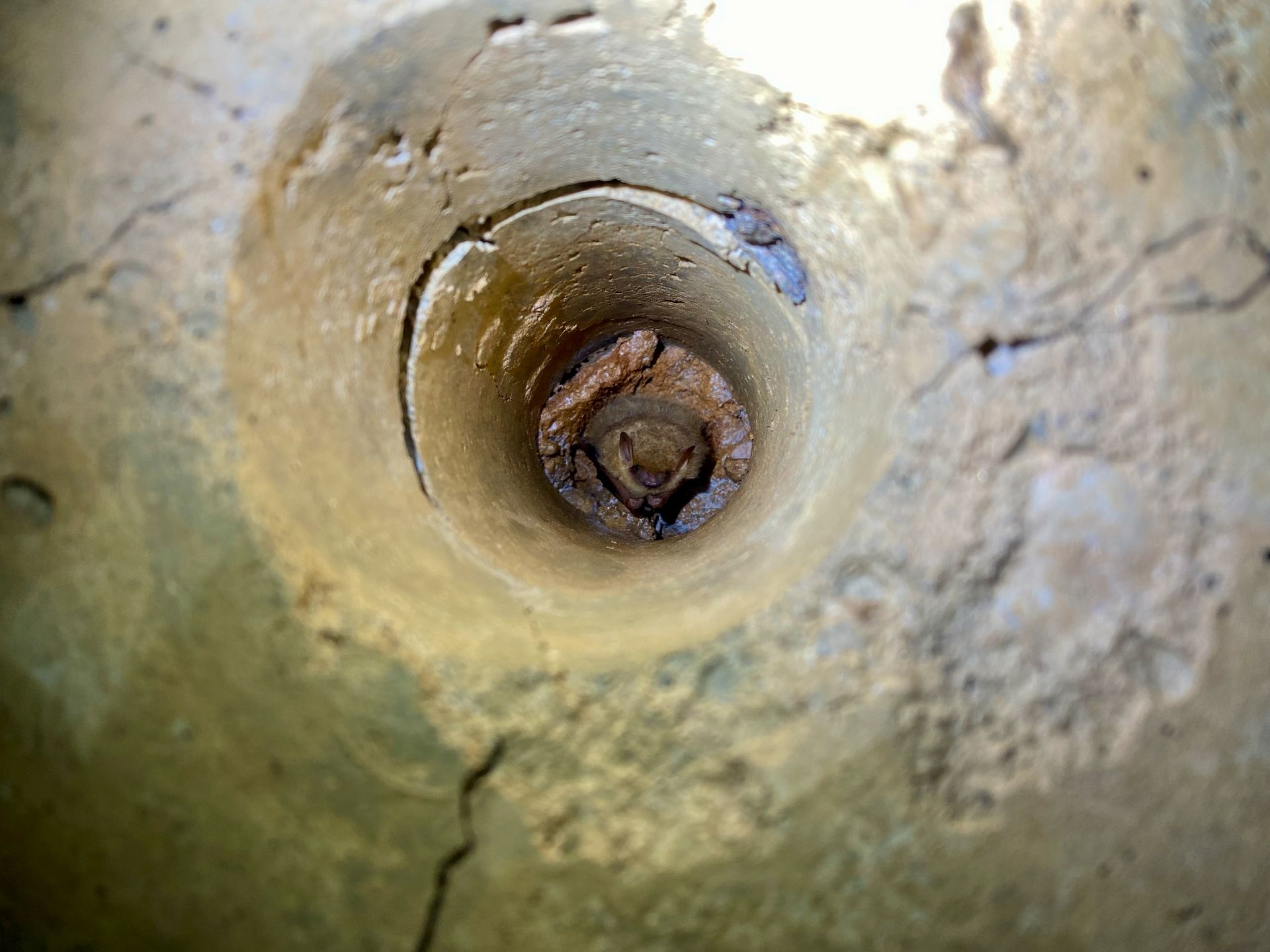
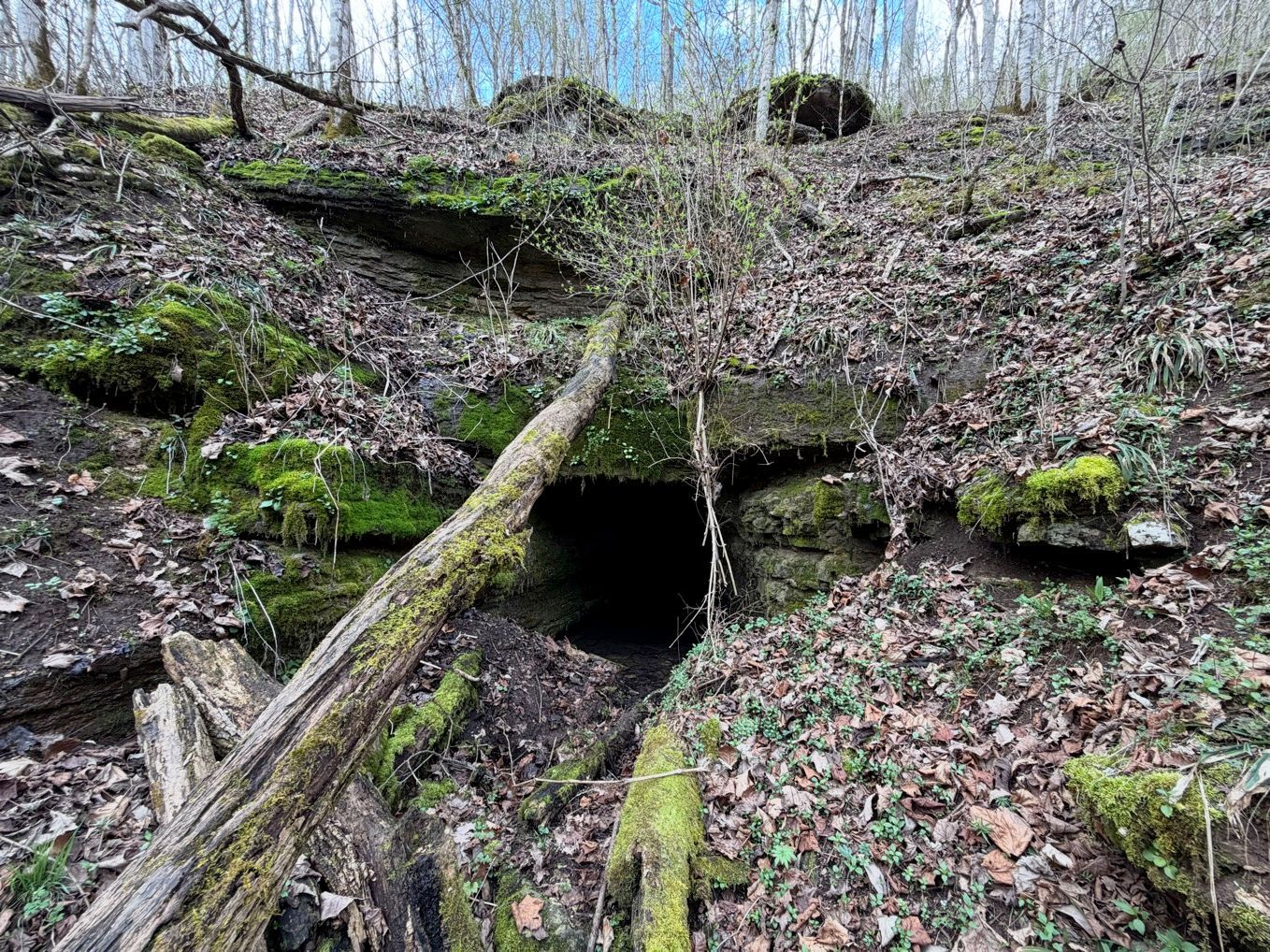
In winter, target species retreat to hibernacula (caves, mines, culverts, etc.) and are no longer active in the summer habitat where these surveys take place. So the survey calendar is built around the active season, and it's defined in the U.S. Fish and Wildlife Service's Range-wide Survey Guidelines.
The Two Main Survey Windows
The current USFWS Range-wide Survey Guidelines define active-season survey timing, and which window applies depends on where your project sits within the target species' range.
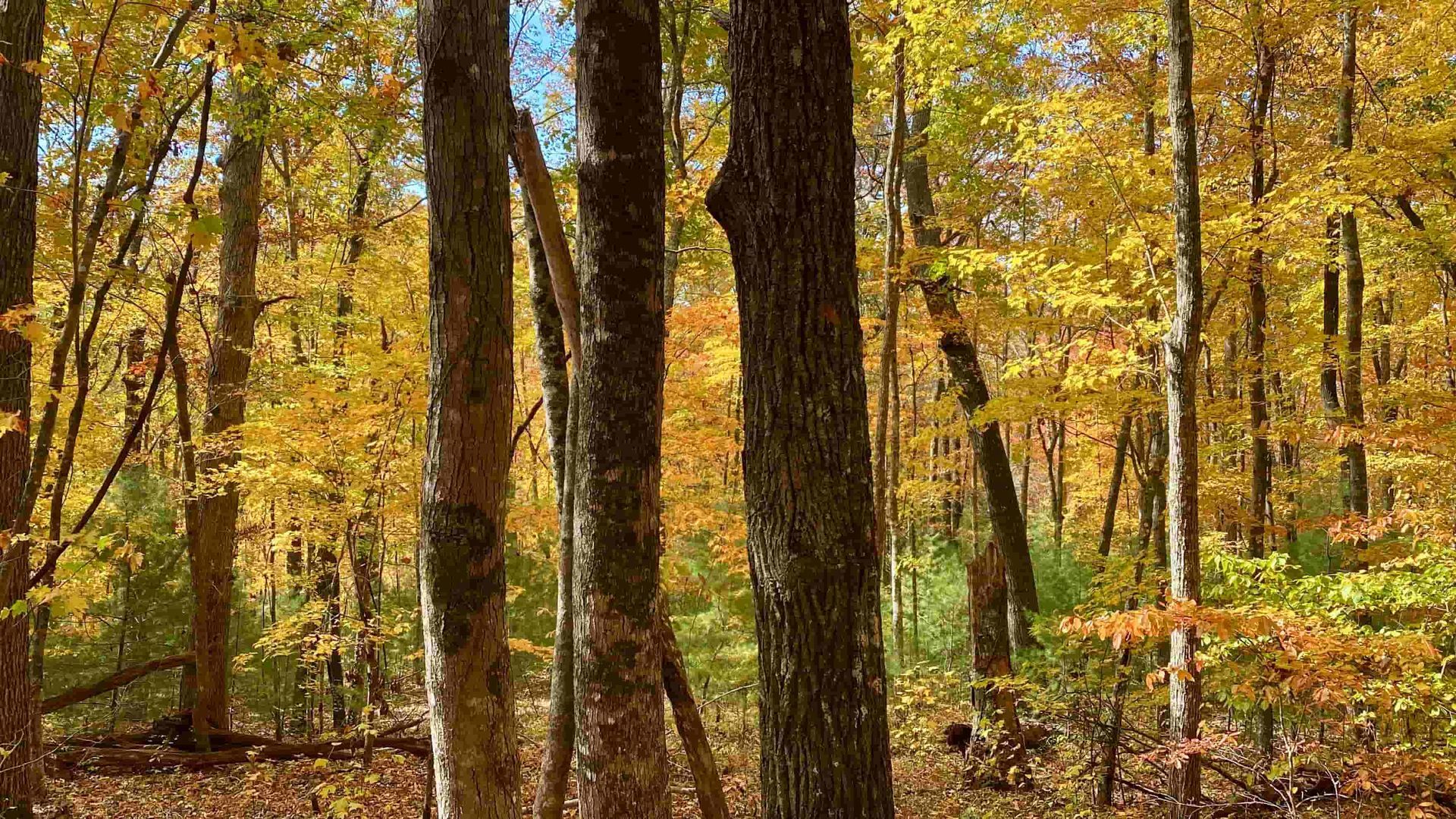
The summer survey season: May 15 – August 15. In the hibernating portion of the range, acoustic and mist-net presence/probable absence surveys are conducted during this summer window. This is the core survey season across most of the eastern United States, aligned with the maternity season, when females form colonies and bats are most reliably active and detectable in summer roosting habitat.
The year-round active season: March 1 – October 15. In the portion of the northern long-eared bat and tricolored bat range designated as year-round active — generally the warmer, southern part of the range, where these species don't undergo prolonged winter hibernation the way they do farther north — the survey window is considerably longer, running from March 1 through October 15. This extended window reflects that in these areas, the two species remain active across much more of the year.
Which window governs a given project depends on the project's location relative to these mapped ranges, and the appropriate USFWS Field Office confirms the applicable timing. For a project in the year-round active zone, the longer season offers meaningfully more scheduling flexibility than the summer-only window — one reason project location matters as much as project type when planning survey timing.
States Can Set Narrower Windows
The federal windows are the starting point, not always the final answer. Individual states can apply their own, often narrower, survey periods, and where a state window is tighter than the federal one, the state window controls for state-listed species.
Ohio is a clear example: acoustic and mist-net surveys there may generally only be conducted June 1 – August 15, and surveys outside that window can't be used to assess presence/probable absence of state-listed bats in Ohio. Other states across the range set their own requirements, so confirming the specific window for your project's state — not just the federal window — is an essential planning step.
Timing Isn't the Only Scheduling Constraint
The survey window is the outer boundary, but a few related factors affect when within the window your survey can actually happen:
- Surveys span multiple nights. Presence/probable absence survey effort must be split across a minimum number of survey nights — a single night isn't sufficient — so the fieldwork itself occupies a block of the season, not a single date.
- Weather matters. Surveys must be conducted under suitable weather conditions (temperature, precipitation, wind), so unfavorable weather can consume part of the window and push fieldwork later.
- Study plans need advance approval. Before fieldwork begins, a survey study plan is submitted to and approved by the USFWS Field Office — and for complex or multi-jurisdiction projects, that review can take weeks. That approval time has to fit before the survey window, not during it.
Taken together, these mean the practical window for getting a survey done is narrower than the calendar dates suggest. The season may open May 15, but a project that starts arranging its survey in May has potentially lost that season.
How Long Are Results Good For?
Timing also governs how long a completed survey stays valid — which affects when you need to survey relative to construction:
- Negative summer presence/probable absence results are generally valid for five years from the approved report.
- Negative bridge and culvert survey results are valid for two years, a shorter window reflecting how readily bat use of structures changes.
So a survey done well ahead of construction can still cover your project — but only within these validity periods, after which resurvey may be required.
The Bottom Line: Plan Backward From the Window
The single most valuable thing to know about bat survey timing is that it forces you to plan backward. Identify early whether your project needs a survey, determine which window applies based on your location, account for study-plan approval time before the window opens, and leave room for weather. A project that does this treats the survey season as a fixed input and schedules around it. A project that doesn't often discovers — too late — that the window has closed and construction waits a year.
Volant EcoServices helps project proponents across the eastern United States determine which survey windows apply, plan survey timing around project schedules, and coordinate with USFWS Field Offices to keep projects on track. Both of our principal ecologists hold active USFWS Section 10(a)(1)(A) recovery permits.
Related: Bat Surveys · How Much Does a Bat Survey Cost? · Bat Surveys for Land Development · Industries We Serve · You Missed the Bat Survey Window. Now What? · Planning Winter Tree Clearing: What the Guidelines Say
This article is general information, not regulatory advice. Survey windows and requirements vary by project, location, and jurisdiction; confirm the applicable window with your USFWS Field Office or a qualified biologist.