Bridge & Culvert Bat Surveys: What Your Project Needs to Know
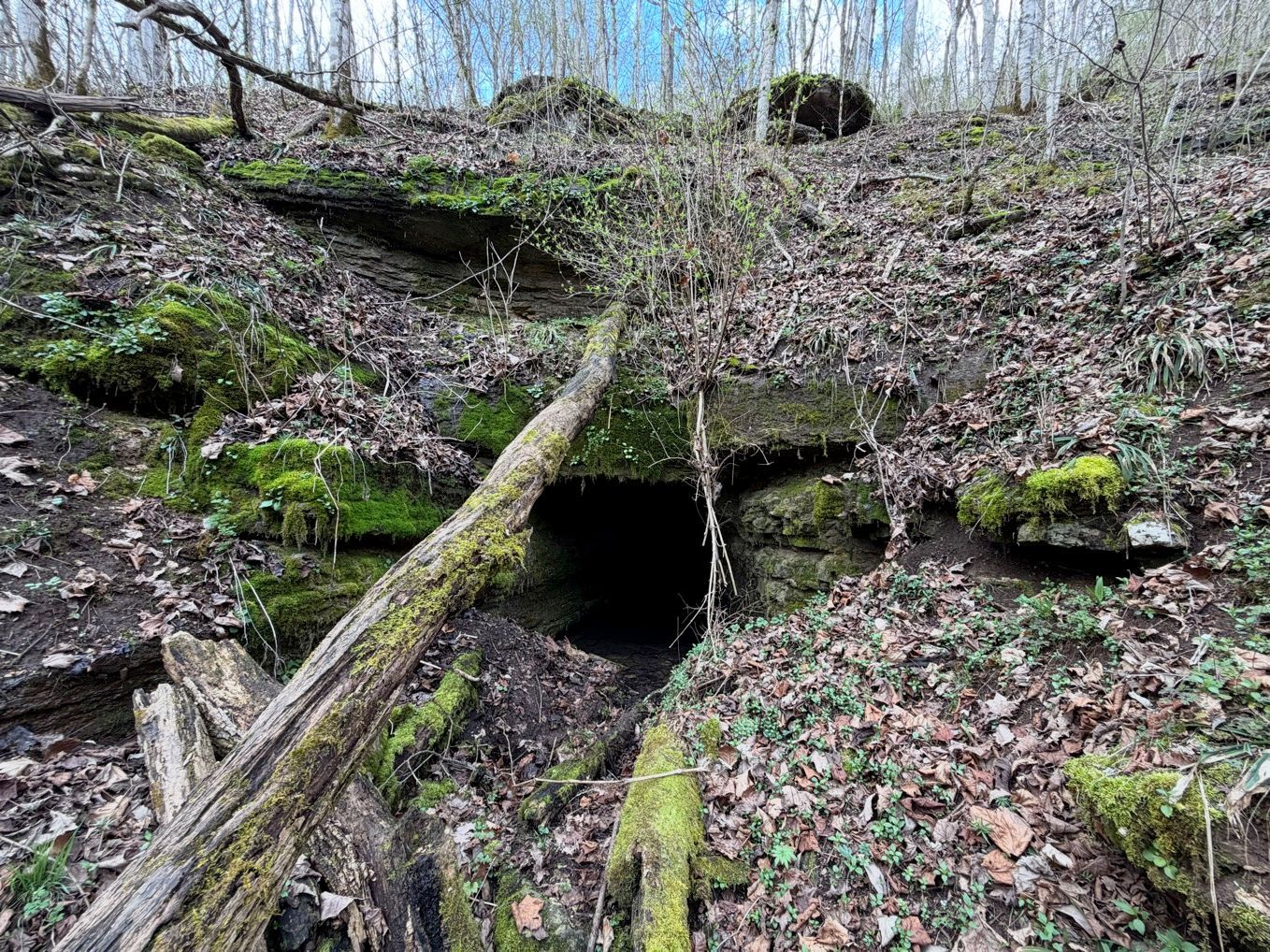
When you picture bat habitat, you probably think of caves and forests — not the underside of a highway bridge. But many bat species, including federally protected ones, routinely roost in bridges and culverts. The cracks, crevices, expansion joints, and cave-like spaces in these structures hold heat and offer shelter, which makes them attractive to bats during the warmer months and, in some cases, year-round.
That has real consequences for anyone planning to repair, replace, or remove a transportation structure. If protected bats are using a bridge or culvert, the project can trigger Endangered Species Act requirements — and addressing that early is far easier than discovering it mid-construction. Here's what bridge and culvert bat surveys involve and when your project is likely to need one.
Why Bridges and Culverts Matter for Bats
Bats are opportunists when it comes to roosting. Where natural habitat is limited, structures fill the gap, and transportation structures turn out to be well suited to their needs. Concrete bridges near forest and water are especially attractive, because they capture solar heat and sit close to the foraging areas and travel corridors bats use.
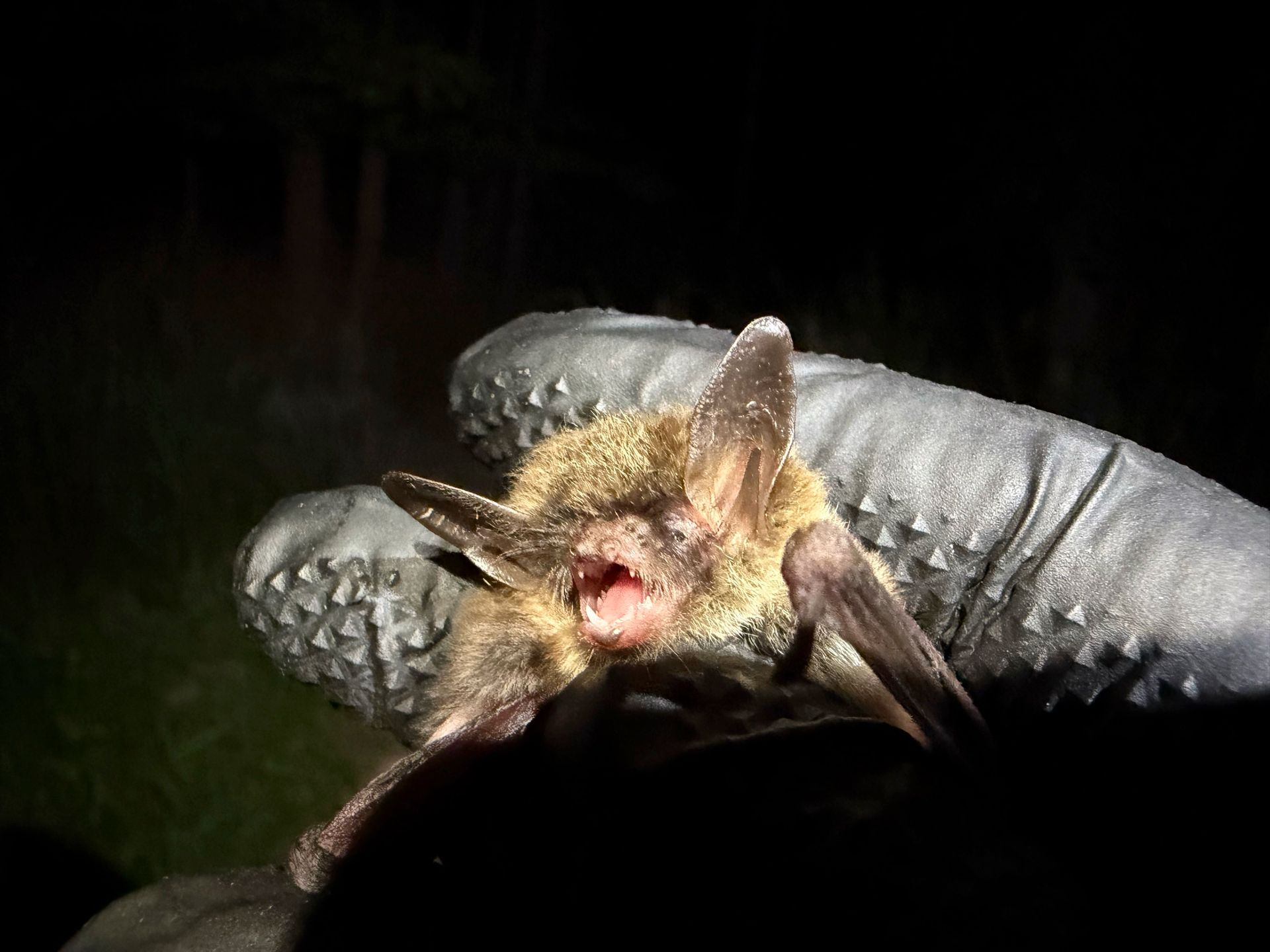
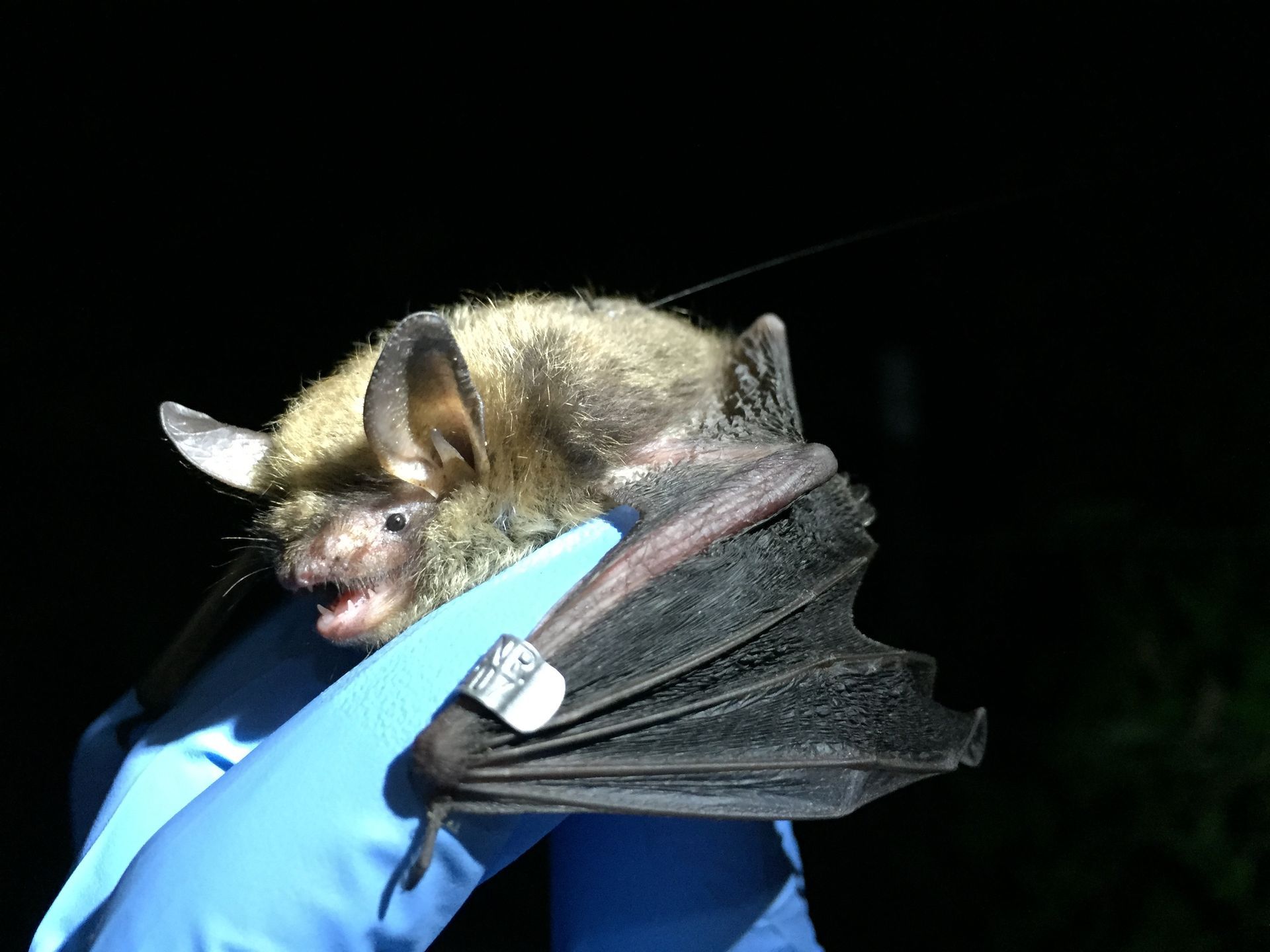
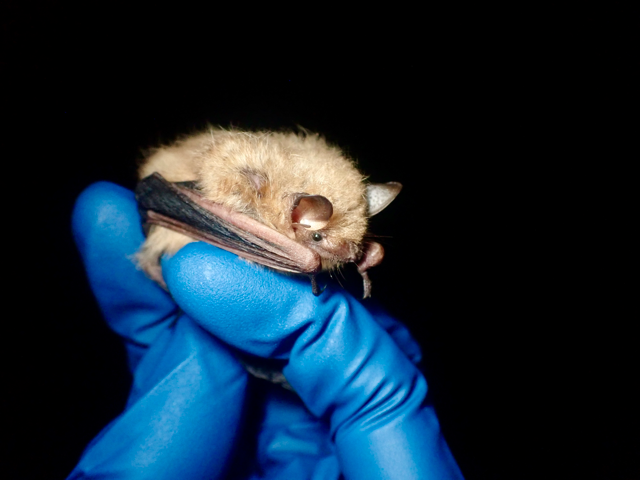
This isn't a fringe concern. The U.S. Fish and Wildlife Service recognizes that more than 20 North American bat species have been documented using bridges and culverts as roosts — including four species at the center of most eastern U.S. survey work: the Indiana bat, northern long-eared bat, tricolored bat, and gray bat. With tens of thousands of aging bridges across the country in need of repair, the overlap between infrastructure work and bat habitat comes up constantly.
When Does a Project Need a Bridge or Culvert Bat Survey?
A bridge or culvert bat assessment is generally warranted when a project involves work on a structure that could provide suitable bat habitat. Common triggers include:
- Rehabilitation, replacement, or demolition of bridges or culverts within the range of protected bats
- Maintenance or alteration that could disturb roosting bats or seal off roost spaces
- A federal nexus — federal funding, permitting, or approval — that invokes ESA Section 7 consultation
- State-listed species protections, which can apply even without federal involvement
Not every structure qualifies. The assessment process is designed in part to screen out structures that bats can't realistically use — culverts below a minimum size, fully enclosed or inaccessible structures, or structures isolated from suitable surrounding habitat. Part of the value of an early assessment is determining, quickly, whether your structure is even a candidate for further survey.
How a Bridge and Culvert Bat Survey Works
Bridge and culvert surveys follow the U.S. Fish and Wildlife Service's current Range-wide Survey Guidelines, and they generally move through escalating levels of effort — starting simple and going further only if the structure warrants it.
Suitability and safety assessment. First, a qualified biologist evaluates whether the structure has features bats use — cracks, crevices, expansion joints, gaps, and cave-like spaces — and whether it's safely accessible. A structure with no suitable features can often be cleared at this stage.
Visual inspection for evidence of use. If the structure is suitable, the biologist looks for signs of bats: live or dead bats, guano (droppings) accumulating on structural components or the ground below, and staining at roost spots. Any one of these indicators is meaningful evidence that bats are using the structure.
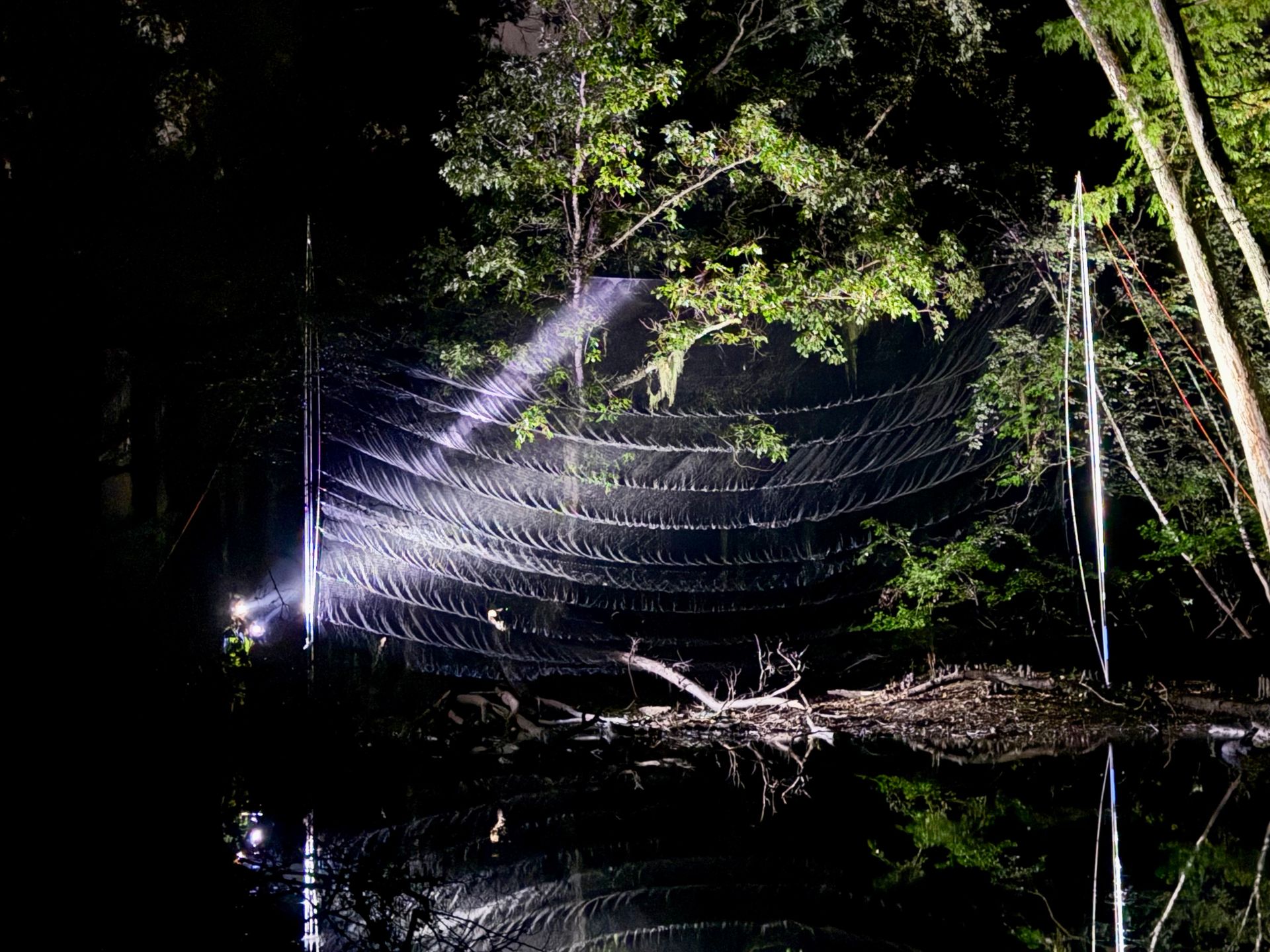
Further survey, when needed. Where suitability or evidence warrants it, the assessment can escalate to methods that confirm whether — and which — bats are present, such as emergence surveys conducted at dusk as bats leave the roost, or acoustic monitoring. The appropriate method and level of effort are coordinated with the local USFWS Field Office.
Throughout, qualified personnel matter. The Guidelines call for surveyors to complete USFWS bridge-and-transportation-structures training before conducting field assessments, with additional state-specific requirements in some states. Surveys that involve handling bats require a federal recovery permit.
A Note on Timing — and Why It's Different from Summer Surveys
One feature of bridge and culvert surveys catches many project teams off guard: the validity period. When the Guidelines are followed and the report is approved by the local Field Office, a negative bridge or culvert survey result is generally valid for two years — shorter than the five-year window that applies to summer presence/probable absence surveys. That shorter timeframe reflects how readily bat use of structures can change from season to season.
The practical takeaway is the same one that applies across bat survey work: build the assessment into your project schedule early. Confirming a structure's status before a construction window is locked in is far less disruptive than learning mid-project that a survey is required and the season has passed.
Many Transportation Projects Follow a Separate Framework
If your project is a federally funded transportation project, it may be handled under a dedicated programmatic framework developed by the Federal Highway Administration, Federal Railroad Administration, and Federal Transit Administration in coordination with USFWS. That framework streamlines how bat impacts are addressed for qualifying transportation work, and the bridge and culvert assessments within it follow the same USFWS Survey Guidelines. If you're not sure whether your project falls under it, that's exactly the kind of question to raise early with your biologist or Field Office.
Getting It Right, Early
Bridge and culvert bat surveys don't have to be a project bottleneck — but they become one when they're discovered late. A short, qualified assessment up front tells you whether your structure is a concern at all, and if it is, what level of survey and coordination your timeline needs to accommodate.
Volant EcoServices conducts bridge and culvert bat surveys for transportation and infrastructure projects across the eastern United States, following current USFWS guidelines. Both of our principal ecologists hold active USFWS Section 10(a)(1)(A) recovery permits.
Related: Bridge & Culvert Bat Surveys · Bat Surveys for Transportation Projects · Bat Surveys
This article is general information, not regulatory or legal advice. Survey requirements vary by project and jurisdiction; confirm requirements with your USFWS Field Office or a qualified biologist.